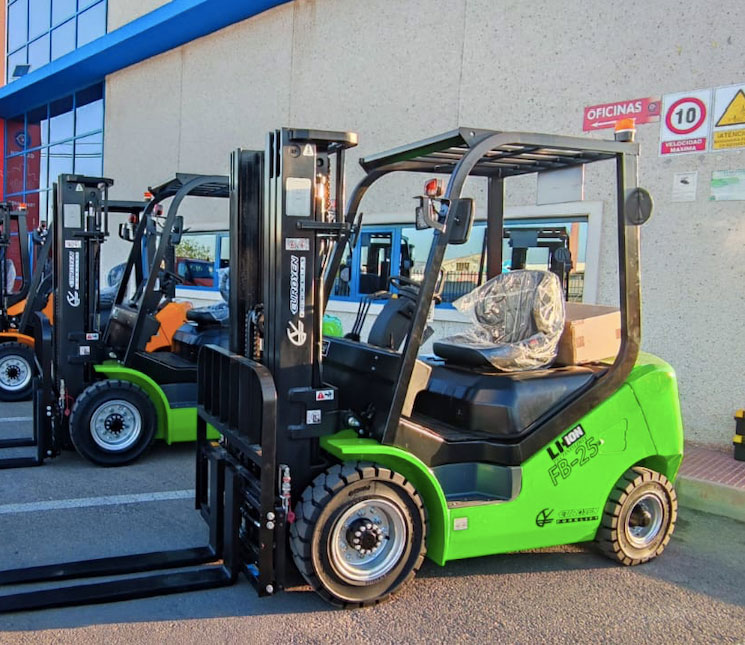
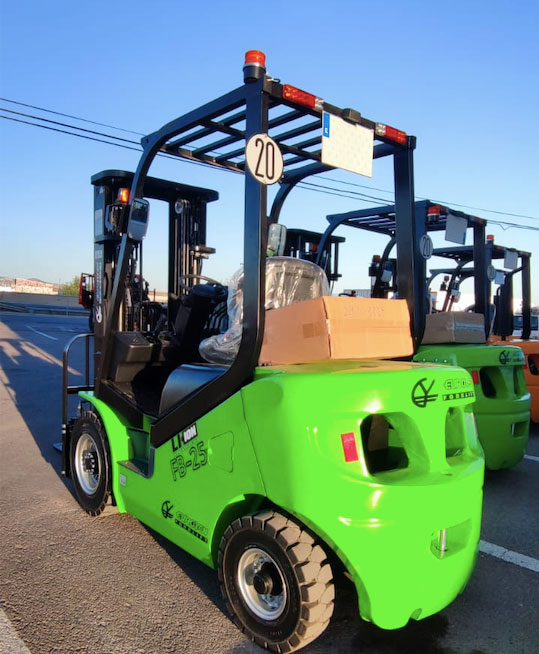
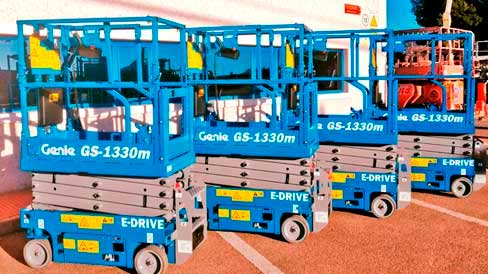
Forklift trucks are essential tools in sectors such as logistics, construction and trade. To ensure their efficient and safe use, it is essential to know the parts that make them up and the function of each one. In this article, we will explore the main parts of a forklift truck, how they work together and the importance of maintaining each one.
At Globen, we are specialists in the rental of forklifts, offering solutions adapted to the needs of each client.
Main Structure of a Forklift Truck
Chassis and counterweight
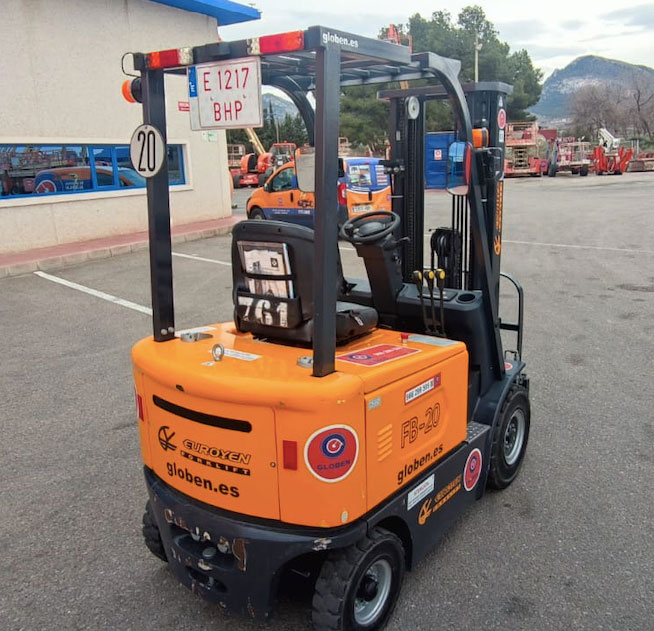
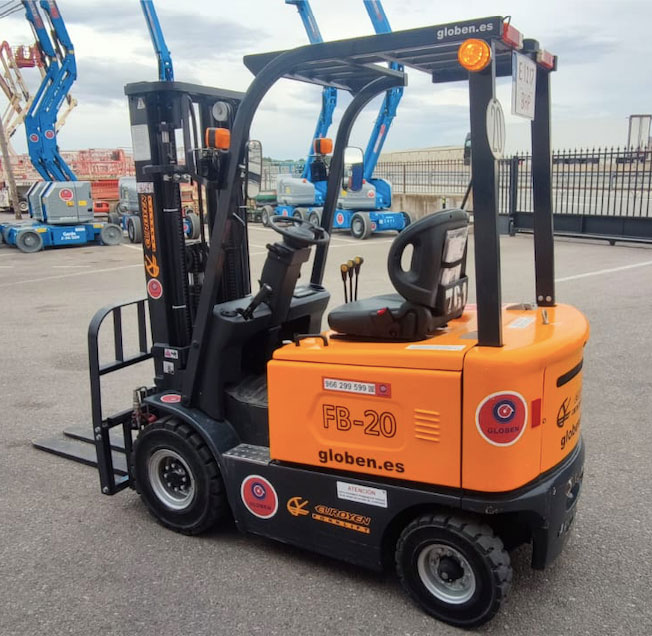
The chassis is the foundation of the forklift truck and acts as the main frame that supports all components. It must be robust to support the loads being handled. On the other hand, the counterweight, usually made of cast iron, is located at the rear of the equipment. Its function is to balance the weight of the load being lifted to prevent tipping.
Operator’s cab
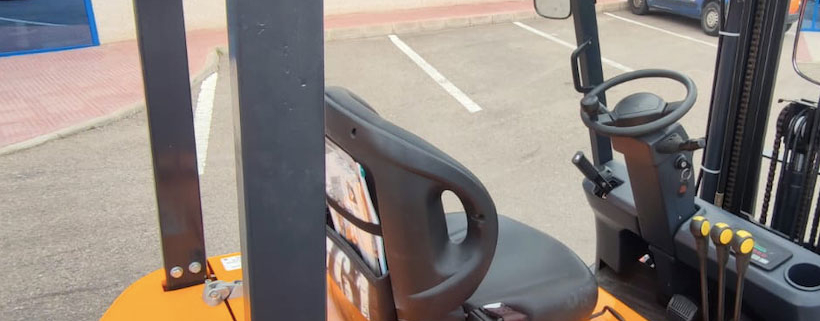
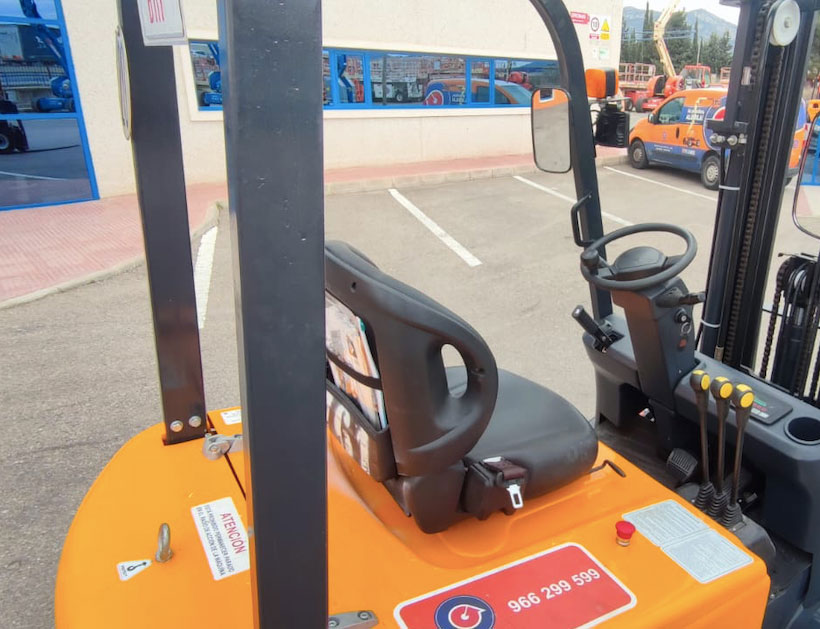
The cab is the operator’s space. It includes the seat, control controls, steering wheel and, in many cases, protection systems such as a roll cage. Ergonomics and a clear view from this cab are essential for safe and efficient operation.
Mechanical and Operating Parts
Mast and fork system
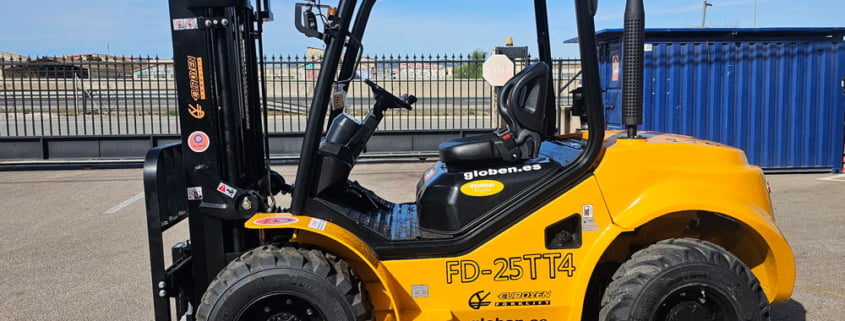
The mast is the vertical structure that allows the lifting and lowering of loads. It can be single, double or triple, depending on the height at which you need to work. The forks, located at the end of the mast, are the tools that support the load. They are designed to adjust to different types of pallets and loads.
Engine and transmission
The engine of a forklift truck can be internal combustion (diesel, gasoline or gas) or electric, depending on the model. It provides the energy needed to move the equipment and operate the hydraulic system. The transmission is responsible for transferring this energy to the wheels, allowing the equipment to move.
Hydraulic system
The hydraulic system is vital to the operation of the mast and forks. This system uses a special fluid to generate the necessary force that raises and lowers the loads. It includes components such as pumps, valves and hydraulic cylinders
Safety Elements on a Forklift Truck
Safety bars and lights
Safety bars protect the operator in the event of a tip-over. In addition, the trucks are equipped with front and rear lights, along with warning lights to ensure vision and communication with others in the work area.
Brake and alarm system
The braking system ensures that the truck can stop safely, even when carrying heavy loads. In addition, audible and visual alarms warn surrounding personnel of the truck’s movements, such as when backing up.
Importance of Maintenance of Each Part
Regular inspection of mast and forks
The mast and forks should be checked periodically for cracks or deformations that could compromise their functionality. This is especially important on equipment that frequently handles heavy loads.
Engine and hydraulic system care
The engine requires regular maintenance, such as changing oil and filters in the case of combustion engines, or checking batteries in electric models. Likewise, the hydraulic system needs inspections to prevent fluid leaks and ensure optimum performance.
Parts of a forklift truck: Conclusion
Knowing the parts of a forklift truck is essential to its proper and safe use. From the chassis and counterweight to the hydraulics and safety features, each component plays a critical role. Keeping these parts in top condition not only extends the life of the equipment, but also ensures efficiency and protection on the job site. A well-maintained truck is an indispensable tool for any logistics operation.
We are here to help you take your ideas to the next level! Globen, a leading aerial lift rental company, understands the importance of providing high quality equipment.
When it comes to construction projects, renovation or temporary events, the rental of on-site modules is a practical, economical and efficient option. Globen, with its extensive experience in the sector, offers modular solutions adapted to the needs of each client, guaranteeing quality and comfort. In this article, we will explore the benefits, types of modules and why choose Globen for your temporary infrastructure needs.
What are site modules and what are they used for?
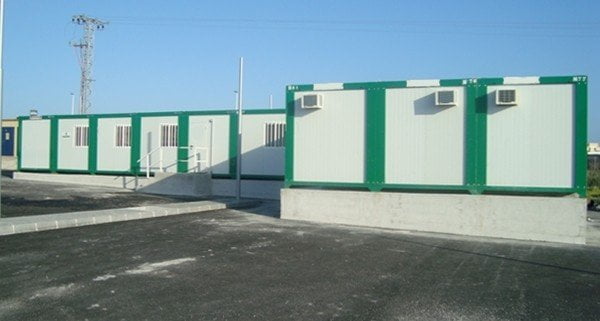
On-site modules are prefabricated structures designed to fulfill temporary functions in projects of various kinds. These spaces are used as:
Site offices: Places where administrative work is managed.
Locker rooms and rest areas: Comfortable spaces for personnel.
Tool storage: Secure areas for storing equipment and materials.
Portable toilets: Essential infrastructure for the well-being of the team.
The versatility of these modules allows them to adapt to the needs of construction projects, temporary events and other activities that require functional spaces quickly and efficiently.
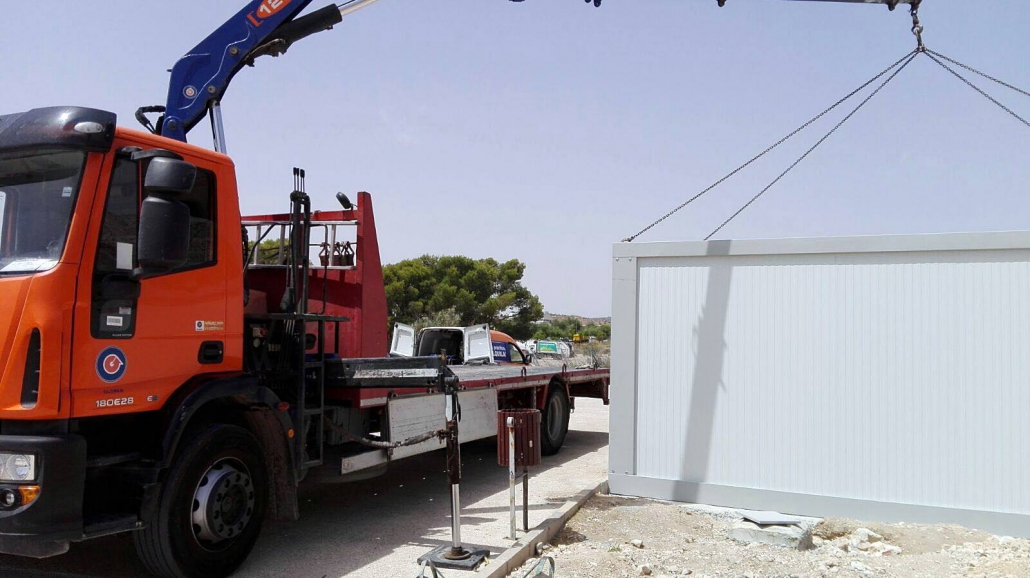
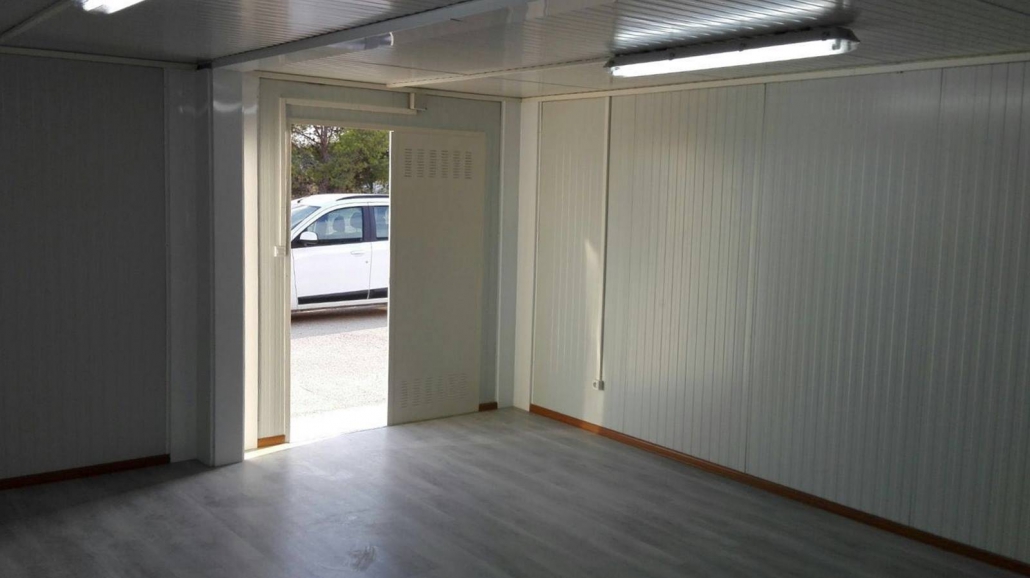
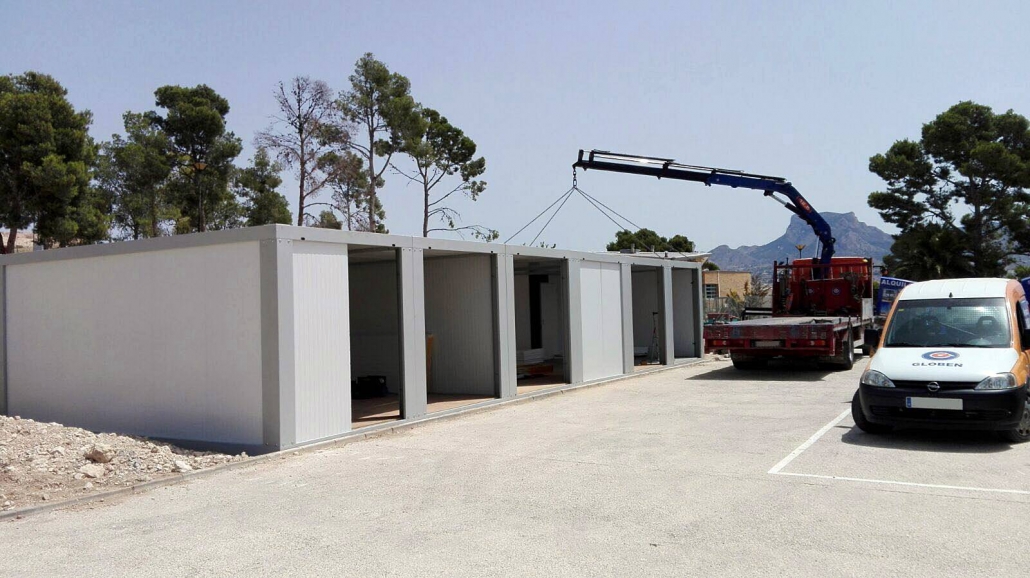
Proyecto geriátrico en la provincia de AlicanteProyecto geriátrico en la provincia de AlicanteProyecto geriátrico en la provincia de Alicante
Advantages of renting building modules vs. buying them
Opting to rent instead of buying has numerous advantages:
Economic savings: Ideal for short or medium-term projects, avoiding large initial investments.
Flexibility: Allows adjusting the type and quantity of modules according to the changing needs of the project.
Maintenance included: Companies such as Globen take care of maintenance, ensuring that the modules are in optimal conditions.Quick installation: Modules are delivered ready to use, streamlining the project start-up process.
Maintenance included: Companies such as Globen take care of maintenance, ensuring that the modules are in optimal conditions.
Sustainability: Being reusable, the modules represent a more environmentally friendly option.
Types of work modules available
At Globen, we understand that each project is unique, so we offer a wide variety of modules to meet the most specific needs:
Modules for site offices
Spaces designed to manage the administrative operations of the project. Equipped with lighting, ventilation and sufficient space for desks and storage.
Changing rooms and rest areas
They provide a comfortable place for staff to change clothes and take breaks. Some models include showers and lockers for added convenience.
Warehouses and tool sheds
Robust and secure structures to store essential materials and tools, protecting them against theft and adverse weather conditions.
Sanitarios portátiles y módulos Portable toilets and sanitary modules
An essential solution to ensure the hygiene and comfort of the equipment in the workplace. Available in different configurations depending on the size of the project.
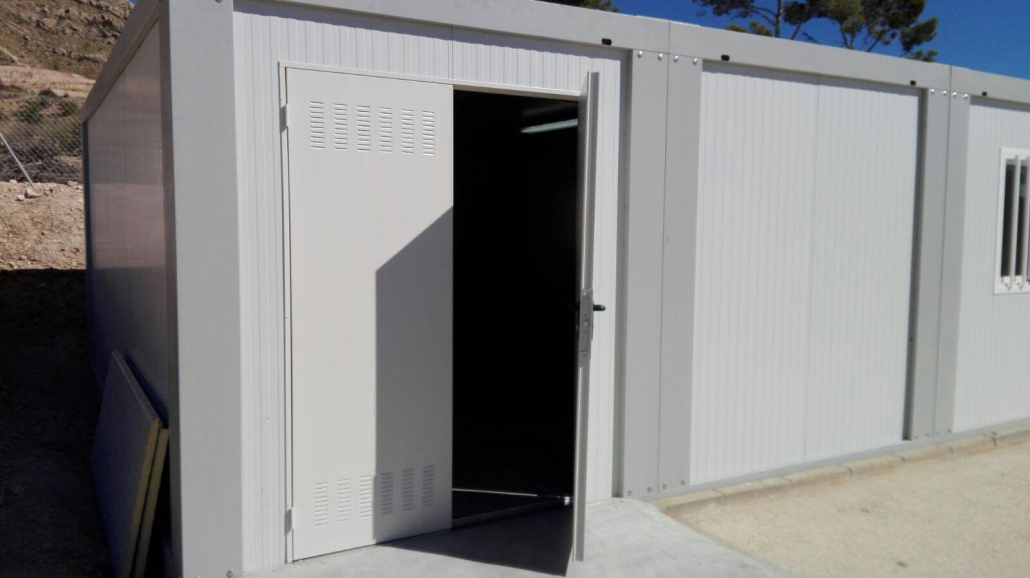
Proyecto geriátrico en la provincia de AlicanteProyecto geriátrico en la provincia de Alicante
How to choose the ideal module for your project?
Choosing the right module may seem complicated, but these steps will make it easier:
Identify your needs: Determine what the module will be used for and how many people will occupy it.
Consider the available space: Evaluate the area where the modules will be installed.
Establish a budget: Define how much you are willing to invest in the rental.
Consultation with experts: At Globen, our team can advise you to select the best option.
Prices and rental options
The cost of renting site modules varies according to factors such as the type of module, the duration of the rental and the additional features required. Globen offers competitive rates and flexible plans tailored to each client’s needs.
In addition, our services include:
Transportation: Delivery and pick-up of the modules at the work site.
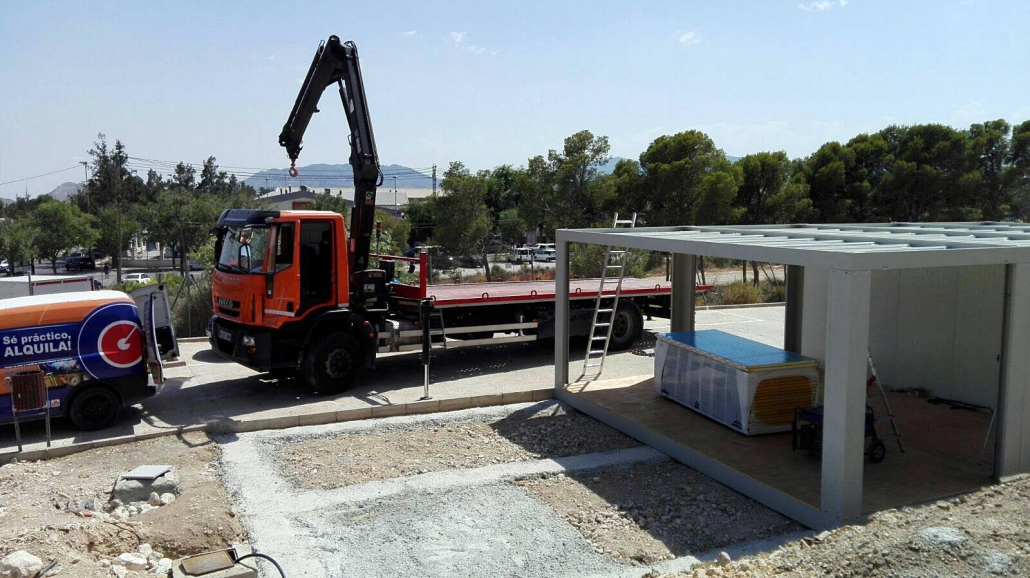
Installation: Fast and safe installation by specialized personnel.
Maintenance: Immediate attention in case of any problem.
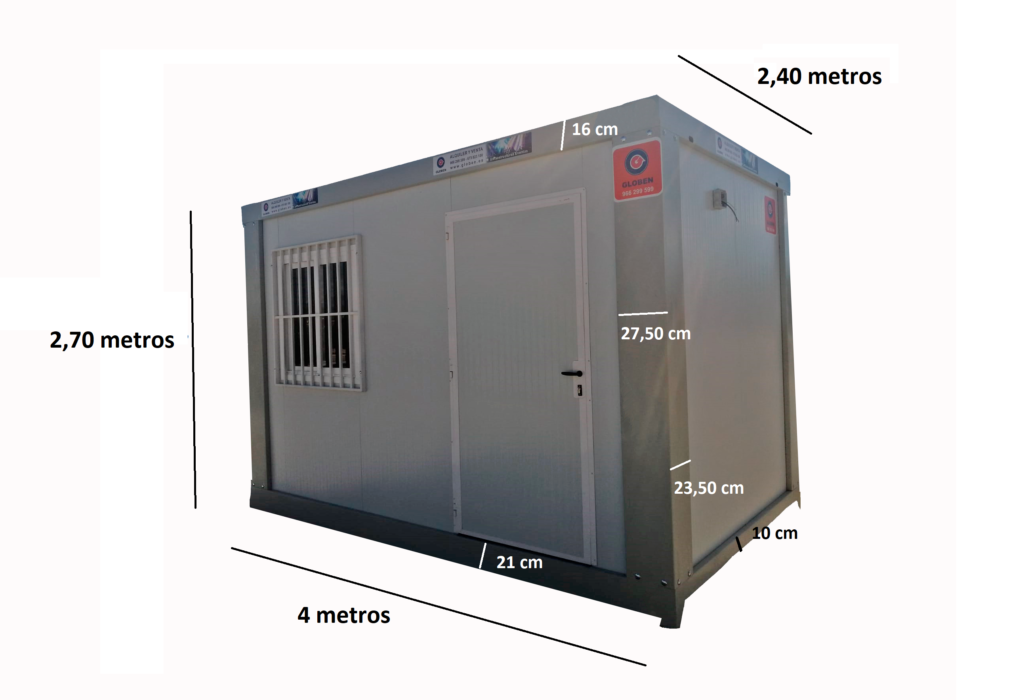
4×2.40 meter open-plan prefabricated cabins
Frequently asked questions about renting construction site modules
What does the rental service include?
At Globen, the rental includes transportation, installation and maintenance of the modules during the entire contracted period.
How long does delivery take?
Depending on location and availability, modules can be delivered within 24 to 48 hours.
Can I customize the modules?
Yes, we offer customization options to adapt to the specific needs of each customer, such as internal configuration or additional accessories.
Why choose Globen for the rental of site modules?
At Globen, we pride ourselves in offering a quality service that meets our clients’ expectations. Here are some reasons why we are the ideal choice:
Experience: We have years of experience in the sector, which allows us to understand the needs of our clients.
Variety: We offer a wide range of modules for different uses and sizes.
Speed: We guarantee fast deliveries so that your project does not waste time.
Personalized attention: Our team is available to help you at every stage of the process.
Sustainability: We are committed to the environment through the use of reusable modules.
Conclusion
The rental of on-site modules is the ideal solution for those who are looking for functional and quality spaces in a fast and economical way. With Globen, you will have the peace of mind of having a comprehensive service that adapts to your needs. From offices and changing rooms to warehouses and restrooms, our modules are designed to offer comfort and efficiency in any project.
If you are planning a project and need to rent construction site modules, don’t hesitate to contact Globen, we are here to help you take your ideas to the next level! Globen, a leading aerial lift rental company, understands the importance of providing high quality equipment.
https://globen.es/wp-content/uploads/Proyecto-Oficinas-de-Obras-Torrevieja_3.jpg450600adminglobhttps://globen.es/wp-content/uploads/Globen_LogoTop.pngadminglob2024-12-23 11:43:212024-12-23 12:23:36Construction Site Modules Rental: Efficient Solutions for your Project
When it comes to working at heights, safety and efficiency are paramount. Globen, a leading aerial lift rental company, understands the importance of providing high-quality equipment that allows its customers to perform tasks with the utmost peace of mind. In this article, we will explore the advantages of scissor lift rental, the types available and how to choose the best option for your needs.
Advantages of Scissor Lift Rental
Renting a scissor lift can be a strategic decision for companies and professionals who need to perform temporary work at height. The following highlights some of the main advantages of opting to rent rather than buy.
Cost Savings
One of the biggest advantages of scissor lift rental is the significant cost savings. Buying a scissor lift can be a considerable investment, especially if you only need the equipment for specific or short-term projects. By renting, you only pay for the time you use the machine, resulting in a more efficient use of your company’s financial resources.
In addition, maintenance and repair costs are assumed by Globen, which means you won’t have to worry about unexpected expenses. Renting also allows you to avoid equipment depreciation, a key factor if you decide to keep the machinery for the long term.
Access to Modern Technology
When you rent with Globen, you have access to the latest models of scissor lifts, which guarantees you work with equipment that meets the highest standards of safety and efficiency. Modern scissor lifts are equipped with advanced technology that improves performance and reduces the risk of accidents.
This is particularly important in industries where safety regulations are constantly being updated. By using state-of-the-art equipment, you can be sure that you are complying with all current regulations, avoiding fines and legal problems.
Flexibility
Scissor lift rental offers you flexibility that purchasing cannot match. You can choose from a wide range of scissor lifts to meet the specific needs of each project. If at any time you require different equipment, you can simply exchange it without having to deal with the sale or obsolescence of purchased machinery.
This flexibility also extends to the duration of the rental. Globen offers options for both short-term and long-term rentals, adapting to your particular needs. Whether you need a scissor lift for a few days, weeks or months, you will always have the right equipment at your disposal.
Safety Recommendations
When you rent with Globen, you not only get quality equipment, but also the support you need to ensure safe and efficient use. Globen’s team of experts provides training and advice on best safety practices when using scissor lifts.
This includes instructions on how to operate the machinery correctly, how to prevent accidents and how to perform safety inspections before each use. By having this type of support, you significantly reduce the risks associated with working at heights, protecting both your employees and your company.
Types of Scissor Lifts Available
Globen offers a wide range of scissor lifts to meet the needs of different industries and projects. The most common types and their main features are described below.
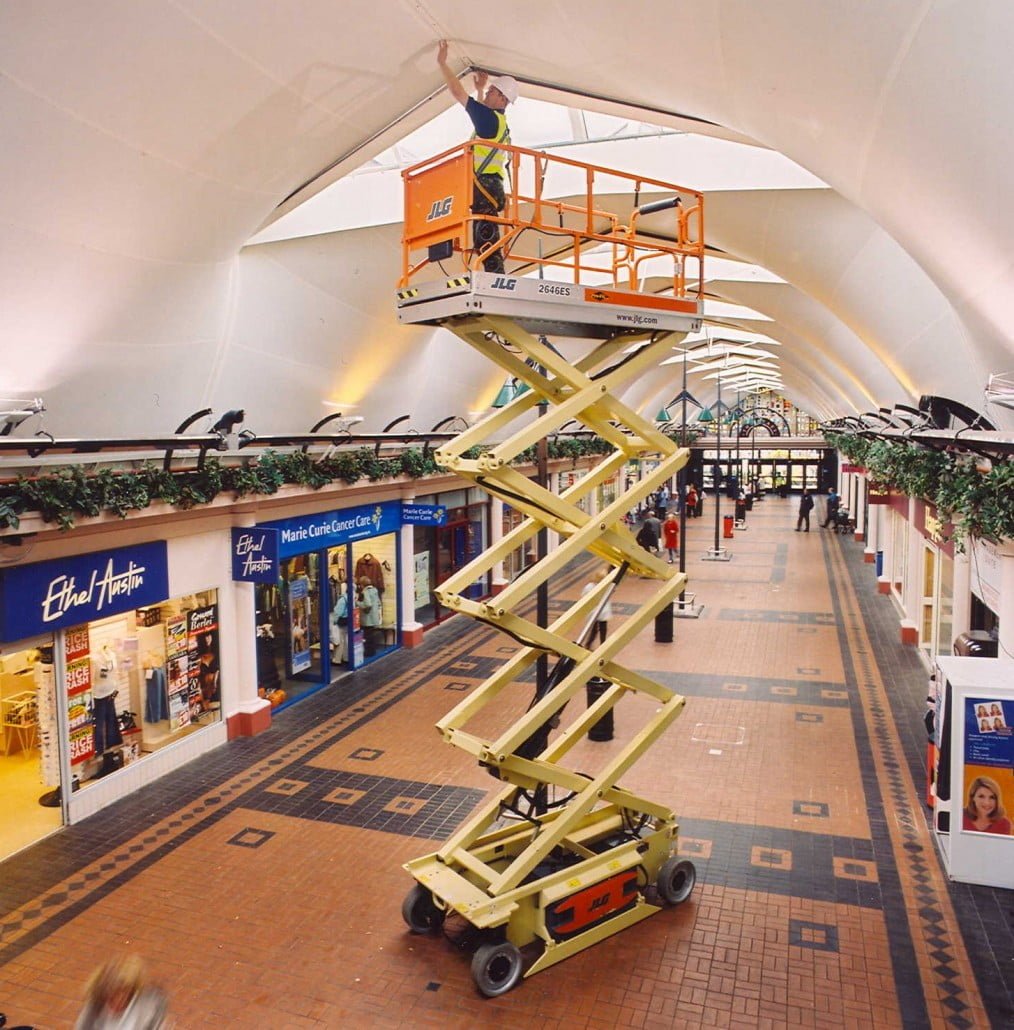
Electric scissor lifts are ideal for working indoors and on flat surfaces. Their quiet operation and the absence of polluting emissions make them perfect for use in closed environments such as warehouses, factories or shopping malls.
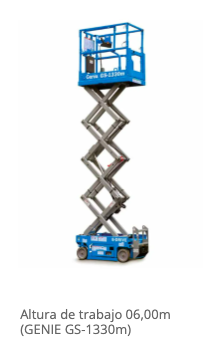
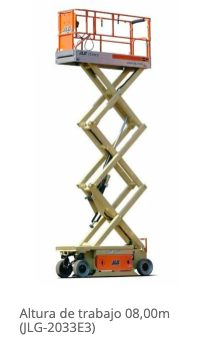
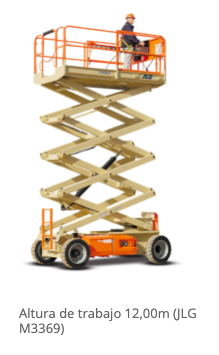
These machines are easy to maneuver and have a lifting capacity that varies depending on the model, generally reaching heights of 6 to 14 meters. In addition, their compact design allows their use in confined spaces, facilitating access to difficult areas.
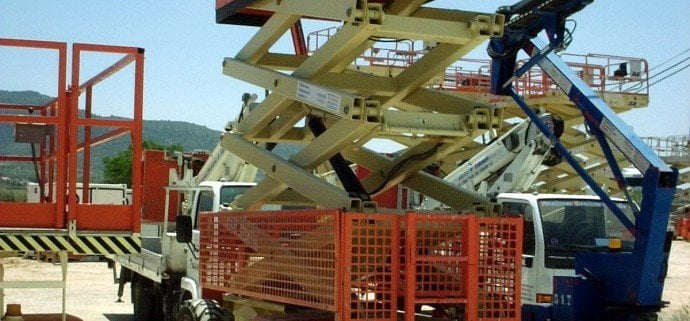
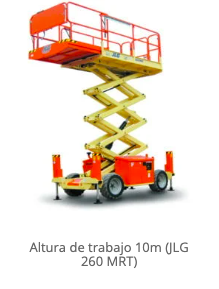
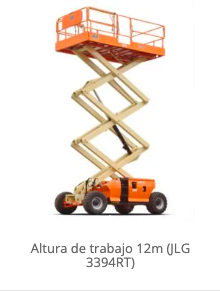
Diesel scissor lifts are designed for outdoor work and uneven terrain. Their powerful engine allows them to support heavy loads and reach greater heights, making them ideal for construction projects, infrastructure maintenance or installations in open spaces.
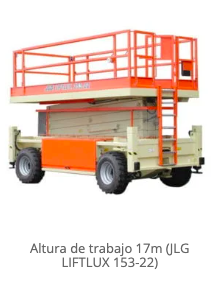
This type of scissor lift can reach heights of up to 17 meters or more, depending on the model. In addition, they are equipped with robust tires that allow them to move easily over difficult terrain, ensuring stability and safety during use.
How to Choose the Right Scissor Lift?
Selecting the right scissor lift is crucial to the success of your project. Here are some key criteria to consider when making this decision.
The first step is to identify the model that best suits the specific needs of your project. As mentioned, Globen offers a variety of options, from electric to diesel. Evaluate the features of each type of scissor lift, including its load capacity, maximum lift height and ease of use.
If your project is indoors, an electric scissor may be the best choice. On the other hand, if you need to work in rough terrain, a diesel scissor will be more suitable. Don’t hesitate to consult with Globen’s experts for customized recommendations.
Lifting Capacity and Height
The lifting capacity and the height you need to reach are determining factors in choosing a scissor lift. You must consider the total weight of the materials and the personnel that will use the platform, making sure not to exceed the maximum capacity of the equipment.
In addition, it is essential to calculate the height at which you will need to work. Make sure you select a scissor lift that can safely reach this height, always maintaining an additional safety margin to avoid any risk.
Duration and Frequency of Use
The duration and frequency with which you plan to use the scissor lift will also influence your decision. If you only need the equipment for a short period of time or for a one-time project, a short-term rental is an excellent option. However, if you have ongoing projects that require frequent use of a scissor lift, a long-term rental may be more suitable.
When evaluating the frequency of use, also consider the wear and tear of the equipment. When renting with Globen, you have peace of mind knowing that you will receive equipment that is well maintained and ready to operate at all times, regardless of the length of the rental.
Conclusion
Scissor lift rental is a practical and economical solution for companies and professionals who need to perform work at height safely and efficiently. Globen offers a wide range of options, from electric to diesel scissor lifts, adapting to the needs of each project.
By opting for rental, you enjoy advantages such as cost savings, access to modern technology and flexibility in the choice and duration of equipment. In addition, Globen’s expert support ensures that you use the equipment safely, protecting both your workers and your company
No matter what your project, Globen has the right scissor lift for you. Contact us today and find out how we can help you take your work to new heights with safety and confidence.
Rental of scissor lifts | Globen
https://globen.es/wp-content/uploads/330CRT.jpg1030690adminglobhttps://globen.es/wp-content/uploads/Globen_LogoTop.pngadminglob2024-08-30 10:24:522024-08-30 11:51:56Scissor Lift Rental: Safe and Efficient Solution
Effective planning is crucial to the success of any construction project, and one of the most important aspects to consider is the use of specialized equipment, such as aerial lifts. Not only does this equipment facilitate access to difficult heights, but it also improves efficiency and safety on site. For project managers, planning the use of aerial lifts into the schedule and budget is essential to ensure that the project is completed on time and within budget.
In this article, we provide you with a complete guide on how to plan the use of aerial lifts on construction projects, from selecting the right equipment to integrating it into your schedule and managing your budget.
1. Project Needs Assessment
The first step in planning the use of aerial lifts is to assess the specific needs of the project. Each job site has unique requirements in terms of height, terrain and the nature of the work to be performed. Therefore, it is critical to understand these aspects in order to select the right platform lift.
a) Working Height
Determine the maximum height at which workers will need to operate. Platform lifts come in different height capacities, from small platforms for indoor work to telescopic platforms that can reach extreme heights. It is important to choose a platform that not only reaches the required height, but also offers stability and safety at that height.
b) Accessibility and Space
Consider space limitations at the construction site. In tight areas or areas with limited access, a compact or articulating platform lift may be more suitable. For larger spaces, a telescopic platform may offer the necessary mobility and reach.
c) Soil Conditions
The type of terrain to be worked on also influences equipment selection. If the terrain is uneven or rough, it will be necessary to opt for all-terrain aerial lifts, which are designed to operate on difficult surfaces. On smooth, level surfaces, a scissor lift may be sufficient.
d) Nature of Work
The specific task to be performed will determine the most appropriate type of platform lift. For example, for jobs that require horizontal movement, such as painting or installing windows, an articulating platform might be the best choice. On the other hand, for tasks that require vertical work in a straight line, a scissor lift may be more efficient.
2. Selecting the Right Platform Lift
Once the needs of the project have been assessed, it’s time to select the right platform lift. It is advisable to work with a reputable supplier that can offer expert advice and a variety of rental options. When selecting equipment, consider the following factors:
a) Load Capacity
Make sure that the lifting platform has adequate load capacity for the number of workers and equipment to be used. It is crucial not to overload the platform, as this can compromise the safety and performance of the equipment.
b) Energy and Fuel
Aerial work platforms can be powered by different types of energy, such as diesel, electricity or batteries. For indoor projects, where emissions are a concern, electric platforms are the best choice. For outdoor projects, especially in difficult terrain, diesel or off-road platforms are often more appropriate.
c) Safety Features
Verify that the selected platform has the necessary safety features, such as stabilization systems, safety harnesses and user-friendly controls. Also, make sure the equipment complies with all local and national safety regulations.
3. Integration in the Project Schedule
Once the right equipment has been selected, it is critical to integrate it effectively into the project schedule. Proper planning of the timing and availability of aerial lifts can prevent costly delays and improve efficiency at the construction site.
a) Determination of the Moment of Use
Identify the phases of the project where platform lifts will be needed. This may include jobs such as installing structures, painting at heights or installing electrical systems on facades. By determining these times, equipment rental can be planned just in time, avoiding unnecessary extended rental costs.
b) Coordination with Other Teams and Works
Ensure that the use of the elevating platform is coordinated with other equipment and work on site. This includes planning access routes and avoiding interference with other work in progress. Good communication with different work crews is key to avoiding conflicts and ensuring efficient workflow.
c) Maintenance and Overhaul Scheduling
Include time in the schedule for preventive maintenance and equipment checks. Aerial lifts, like any other equipment, require regular maintenance to function optimally. Coordinate with the supplier to schedule these checks without affecting project progress.
4. Budget Management
Financial planning is a crucial aspect when integrating the use of rental aerial lifts into a construction project. It is important to consider not only the cost of the rental, but also other factors that may influence the budget.
a) Rental Costs
Consult with our consultants to know the different prices of the lifting platforms, the days and hours that are included in the rates and if there is any kind of discount.
b) Operating expenses
In addition to the rental cost, there are other operating expenses to consider, such as fuel, electricity or batteries, depending on the type of platform. It is also important to consider training costs for operators, if necessary, and any additional expenses related to equipment maintenance.
c) Avoidance of Extra Costs due to Delays
Planning the use of aerial lifts efficiently can prevent additional costs due to project delays. Delays in equipment delivery, lack of availability or technical problems can significantly increase costs.
5. Training and Safety
Proper training of personnel who will operate the aerial lifts is essential to the safety and efficiency of the project. Make sure all operators are properly trained and certified. It is also advisable to conduct refresher sessions on safety practices before starting work.
a) Operator Training
We provide training to operators in the use of the specific equipment to be rented. This training includes both the safe operation of the equipment and the handling of emergency situations.
b) Supervision and Compliance with Regulations
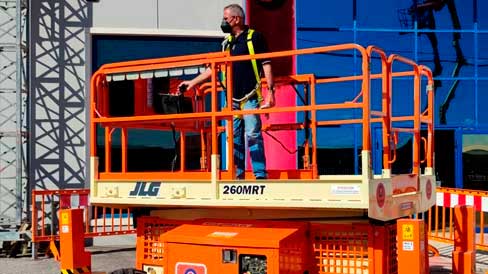
Implements a monitoring system to ensure that all safety standards are followed in the use of elevating platforms. This includes the use of personal protective equipment (PPE) and compliance with local and national regulations.
6. Continuous Monitoring and Evaluation
Finally, it is important to continuously monitor and evaluate the use of the aerial lifts during the project. This includes regularly reviewing the condition of the equipment, monitoring operator performance, and evaluating efficiency against schedule and budget.
a) Regular Equipment Overhaul
Schedule regular equipment inspections to identify and fix problems before they affect the project. This may include daily or weekly checks depending on the intensity of use.
b) Efficiency Evaluation
At the end of each project phase, evaluate the efficiency of the use of aerial lifts in relation to the schedule and budget. This evaluation can provide valuable learnings for future projects, allowing you to further optimize the planning and use of this equipment.
Planning the Use of Platform Lifts
Integrating the use of aerial lifts into construction projects effectively requires careful planning, from selecting the right equipment to managing the schedule and budget. By following this guide, project managers can ensure that the use of aerial lifts contributes to the overall success of the project, improving both safety and efficiency on the construction site.
Planning the Use of Lifting Platforms | Globen
https://globen.es/wp-content/uploads/ARTICULADA-DIESEL-26-M-D.jpg7501000adminglobhttps://globen.es/wp-content/uploads/Globen_LogoTop.pngadminglob2024-08-14 10:37:482024-08-30 09:57:12How to Plan the Use of Platform Lifts in Construction Projects
Forklifts are indispensable tools in many industrial and warehouse environments. However, their misuse or improper maintenance can result in serious accidents, property damage and even loss of life. To ensure safety and efficiency in forklift truck operation, it is essential to know and avoid common faults that can occur. This guide provides a comprehensive overview of how to avoid forklift failures, comply with safety regulations and perform proper preventive maintenance.
Avoiding Forklift Truck Failures: Major Failures and Causes
Forklifts can experience a variety of failures, many of which are avoidable with proper caution and attention. Some of the main failures and their causes include:
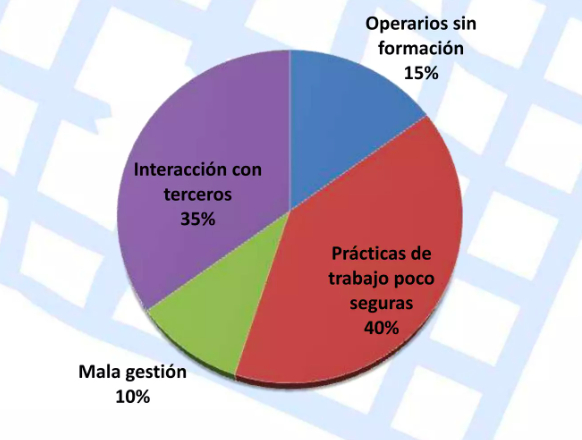
Excessive Loads and Improper Distribution: Overloading a forklift truck or improperly distributing the weight of the load can cause loss of stability and increase the risk of tipping or collapse.
Lack of Maintenance: Lack of regular maintenance, such as insufficient lubrication, worn parts and lack of inspections, can lead to sudden mechanical failures during operation.
Lack of Personnel Training: Forklift operators must be adequately trained in safe handling, loading and unloading techniques, as well as relevant safety measures. Lack of training can result in operating errors and accidents.
Causes of accidents:
Safety Regulations
Complying with safety regulations is crucial to prevent accidents and ensure a safe working environment. Some of the key regulations include:
Personnel Training: All forklift operators must be properly trained and certified to operate the equipment safely.
Regular Inspections: Forklift trucks should be inspected regularly to detect any defects or potential safety problems.
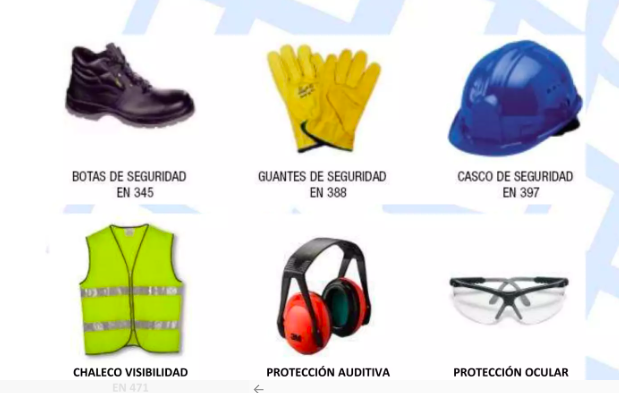
Use of Protective Equipment: Operators should wear personal protective equipment, such as helmets and reflective vests, to reduce the risk of injury in the event of an accident.
Essential Clothing for Forklift Truck Operators
A crucial part of forklift operator training is understanding the proper clothing to wear: Personal Protective Equipment (PPE). The following are the various components that make it up:
Forklift Operation Attire
A loose-fitting jumpsuit with wide sleeves that does not interfere with driving, adapted to the weather. External pockets, loops or other parts that can get caught in the controls should be avoided.
Gloves to Facilitate Forklift Truck Operation
Resistant and flexible gloves that do not hinder driving.
Footwear Suitable for Forklift Truck Operation
Safety shoes with metal toecaps and non-slip soles, especially if the operator also performs manual handling tasks at his workstation.
Safety Helmet
It is highly recommended to wear a safety helmet to protect the head from possible impacts.
Lumbar-Abdominal Belt
Useful for long working hours and irregular traffic areas.
Other Protective Equipment for Forklift Truck Operation
When driving or working in areas of reduced visibility, it is recommended to wear a reflective vest, especially if there are other vehicles circulating in the same space. Although not mandatory, hearing protectors are recommended if the noise level to which you are exposed exceeds 87 dB.
Preventive Maintenance
A well-planned preventive maintenance program is essential to ensure safe and efficient forklift truck operation. Some important maintenance practices include:
Daily Inspections:Before each shift, operators should perform visual inspections of the forklift for any signs of wear or damage.
Regular Lubrication: All moving parts of the forklift truck should be lubricated regularly to prevent premature wear and mechanical failure.
Timely Repairs: Any problems identified during inspections should be addressed immediately with appropriate repairs to prevent them from becoming major problems.
How to Avoid Forklift Failures
In short, avoiding forklift truck failures requires a combination of caution, proper training, compliance with safety regulations and a rigorous preventive maintenance program. By following these guidelines, companies can protect their personnel, prevent property damage and promote a safe and productive work environment.
At Globen we carry out an exhaustive follow-up and maintenance of our entire fleet of forklift trucks for rent. We are your trusted company for machinery rental, contact us and we will advise you on what type of machinery is best suited to your needs.
https://globen.es/wp-content/uploads/EUROYEN-TODOTERRENO-4X4-2100.jpg7201000adminglobhttps://globen.es/wp-content/uploads/Globen_LogoTop.pngadminglob2024-04-24 16:21:052024-04-25 07:59:41How to Avoid Forklift Truck Failures: A Complete Guide
Electric platform lifts are essential tools in many industrial and construction environments. To ensure safe and efficient operation, proper daily maintenance is crucial. This lift table maintenance guide provides a set of steps and tips to perform this task effectively.
Importance of Daily Maintenance
Personnel and Equipment Safety
Daily maintenance of electric platform lifts is essential to ensure the safety of both the personnel operating them and the working environment in general. Properly maintained equipment significantly reduces the risk of accidents and injuries in the workplace.
Extending Equipment Lifetime
In addition to maintaining safety, daily maintenance also helps to extend the service life of electric aerial lifts. Early detection of problems and their resolution prevents major equipment damage, which in turn reduces repair costs and prolongs operational availability.
Daily Maintenance Steps
Visual Inspection
The first step in daily maintenance is to perform a complete visual inspection of the elevating platform. This includes visually checking the overall condition of the equipment, looking for signs of damage, wear and tear or any obvious anomalies.
Component and Fluid Verification
Next, it is crucial to check all major components and fluid levels. This includes checking oil, brake fluid and coolant levels, as well as inspecting cables, connectors and mechanical elements for any possible problems.
Lubrication of Moving Parts
Lubrication of moving parts is another key aspect of daily maintenance. Be sure to apply lubricant according to the manufacturer’s specifications to all moving parts such as shafts, hinges and lifting mechanisms.
Tips for Efficient Maintenance
Scheduling of Periodic Inspections
In addition to daily maintenance, it is important to schedule more thorough periodic inspections by trained personnel. These inspections can identify more subtle problems that may not be evident during daily maintenance.
Staff Training
Staff training is essential to ensure that daily maintenance is performed properly and safely. All operators must be properly trained in the corresponding maintenance and safety procedures.
Maintenance Record
Keeping a detailed record of all maintenance activities performed is crucial. This includes dates of inspection, work performed, any problems detected and corrective actions taken.. This record provides a useful history for future reference and safety audits.
Lifting platforms maintenance guide
In summary, daily maintenance of electric aerial lifts is essential to ensure safety, extend equipment life and maintain operational efficiency. By following the steps and tips provided in this guide, you can ensure that your equipment operates safely and reliably at all times.
Remember we are specialists in rental of lifting platforms, we have many available to suit all your needs.
Lifting platforms maintenance guide | Globen
https://globen.es/wp-content/uploads/guia-mantenimiento-plataformas-elevadoras.png503774adminglobhttps://globen.es/wp-content/uploads/Globen_LogoTop.pngadminglob2024-03-16 12:06:022024-03-16 12:17:47Guide for the daily maintenance of electric platform lifts
We may request cookies to be set on your device. We use cookies to let us know when you visit our websites, how you interact with us, to enrich your user experience, and to customize your relationship with our website.
Click on the different category headings to find out more. You can also change some of your preferences. Note that blocking some types of cookies may impact your experience on our websites and the services we are able to offer.
Essential Website Cookies
These cookies are strictly necessary to provide you with services available through our website and to use some of its features.
Because these cookies are strictly necessary to deliver the website, refusing them will have impact how our site functions. You always can block or delete cookies by changing your browser settings and force blocking all cookies on this website. But this will always prompt you to accept/refuse cookies when revisiting our site.
We fully respect if you want to refuse cookies but to avoid asking you again and again kindly allow us to store a cookie for that. You are free to opt out any time or opt in for other cookies to get a better experience. If you refuse cookies we will remove all set cookies in our domain.
We provide you with a list of stored cookies on your computer in our domain so you can check what we stored. Due to security reasons we are not able to show or modify cookies from other domains. You can check these in your browser security settings.
Google Analytics Cookies
These cookies collect information that is used either in aggregate form to help us understand how our website is being used or how effective our marketing campaigns are, or to help us customize our website and application for you in order to enhance your experience.
If you do not want that we track your visit to our site you can disable tracking in your browser here:
Other external services
We also use different external services like Google Webfonts, Google Maps, and external Video providers. Since these providers may collect personal data like your IP address we allow you to block them here. Please be aware that this might heavily reduce the functionality and appearance of our site. Changes will take effect once you reload the page.
Google Webfont Settings:
Google Map Settings:
Google reCaptcha Settings:
Vimeo and Youtube video embeds:
Other cookies
The following cookies are also needed - You can choose if you want to allow them:
Privacy Policy
You can read about our cookies and privacy settings in detail on our Privacy Policy Page.