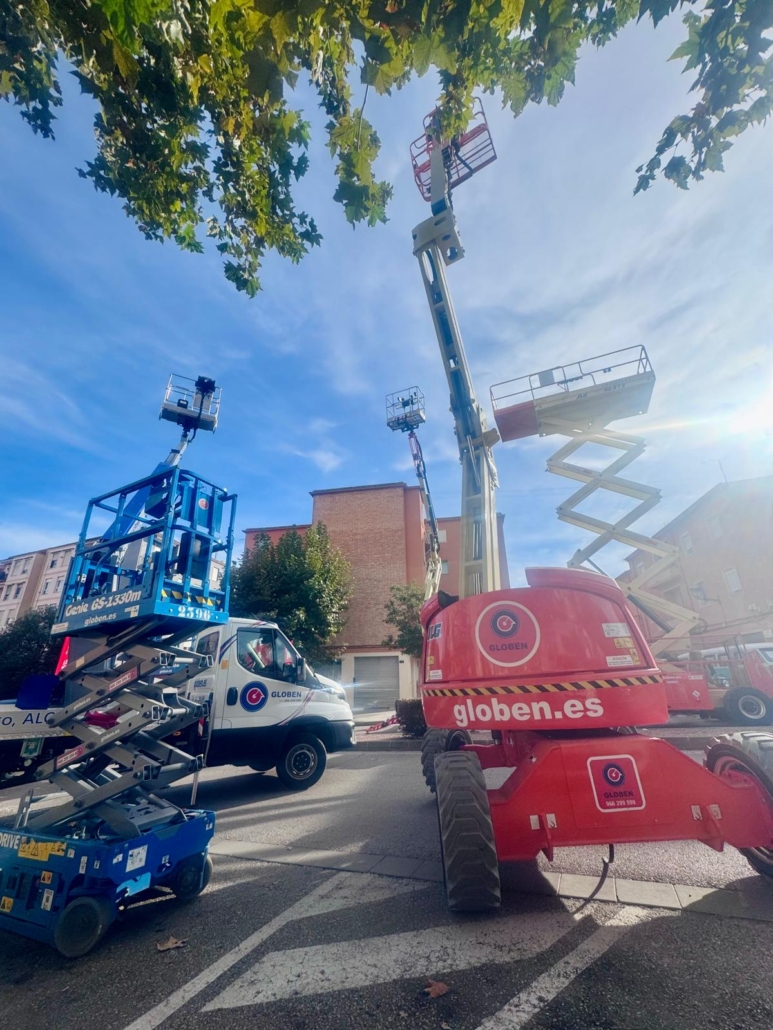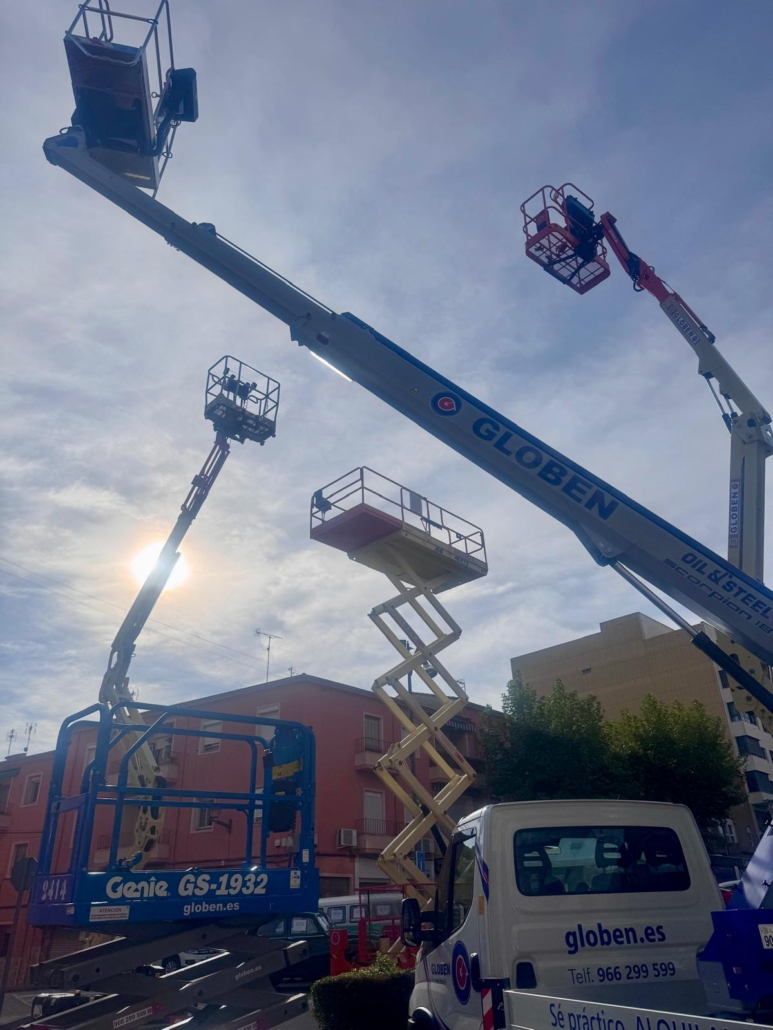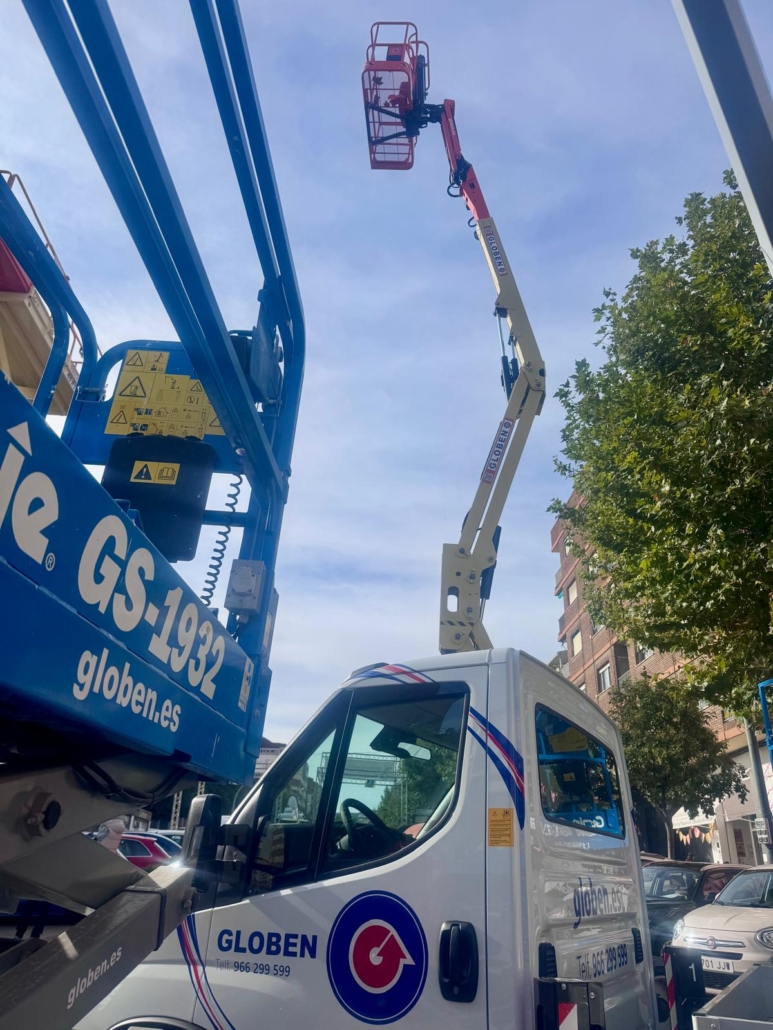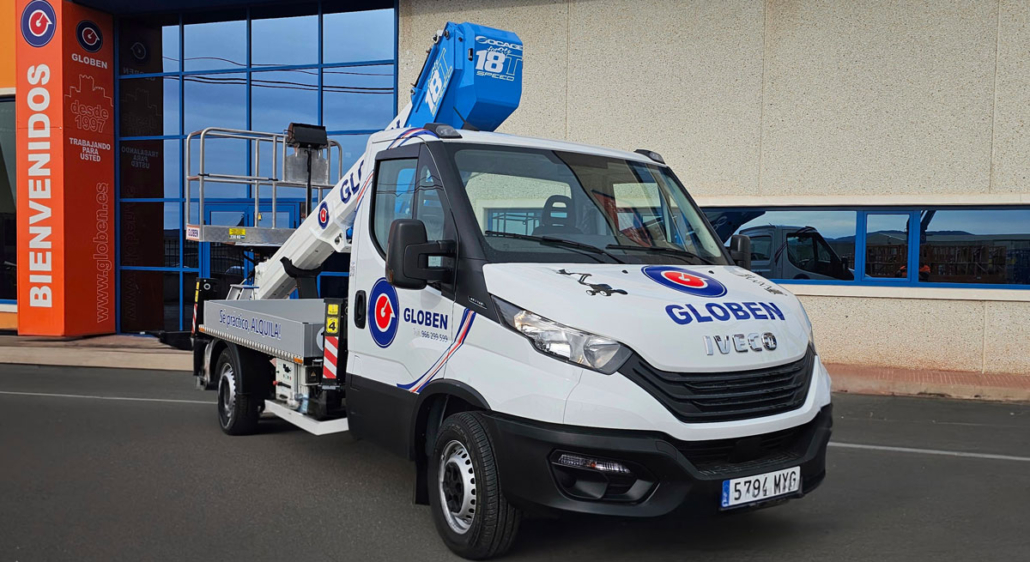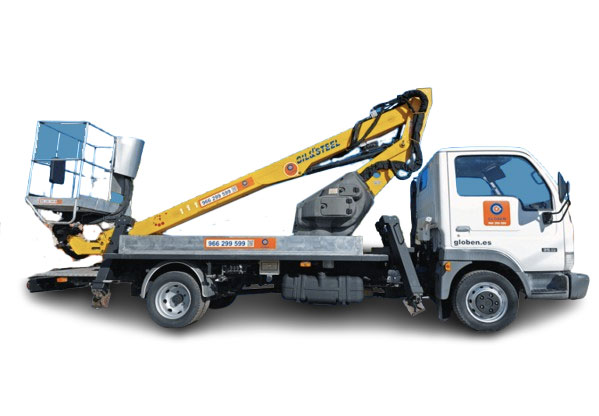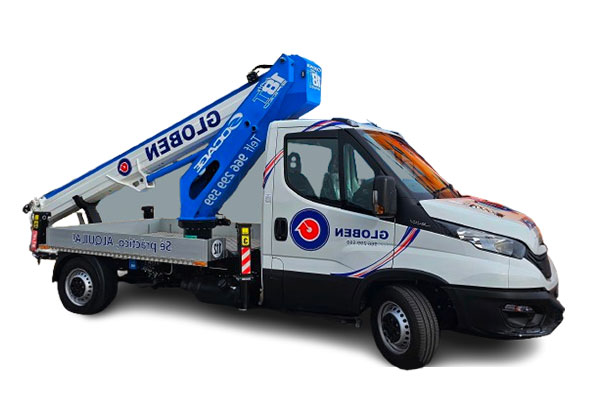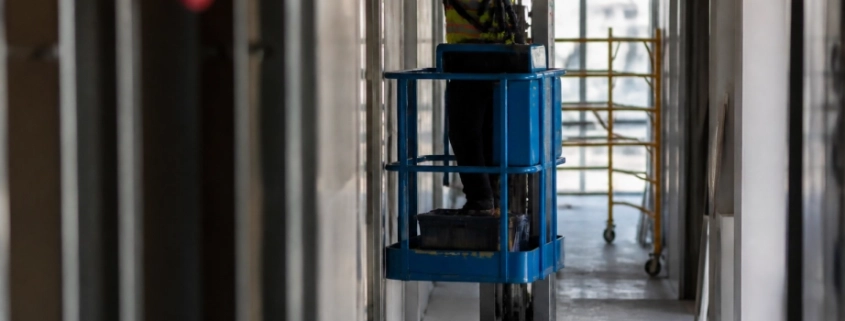
Working in areas with limited passage requires specific planning: choosing a platform that fits, is stable and complies with regulations reduces risks and improves productivity. This guide focuses on the selection and use of the compact aerial platform for tight spaces for site managers, installers and maintenance companies in the southeastern peninsula.
Table of contents
What is an aerial platform for tight spaces
Technical definition and common applications
A platform designed for tight spaces is a machine whose structure, movement and configuration allow access to areas with limited width or narrow passages without compromising safety or stability. It is used in electrical installations, interior maintenance, work in warehouses, corridors, events and construction sites with restricted access.
Differences compared to conventional platforms
The main differences are reduced transport and working width, smaller turning radii, adaptable support systems (outriggers, extendable skids or tracks) and, in many cases, electric drives for indoor use and reduced emissions.
Main types and features of aerial platforms for tight spaces
Spider lift: advantages and limitations
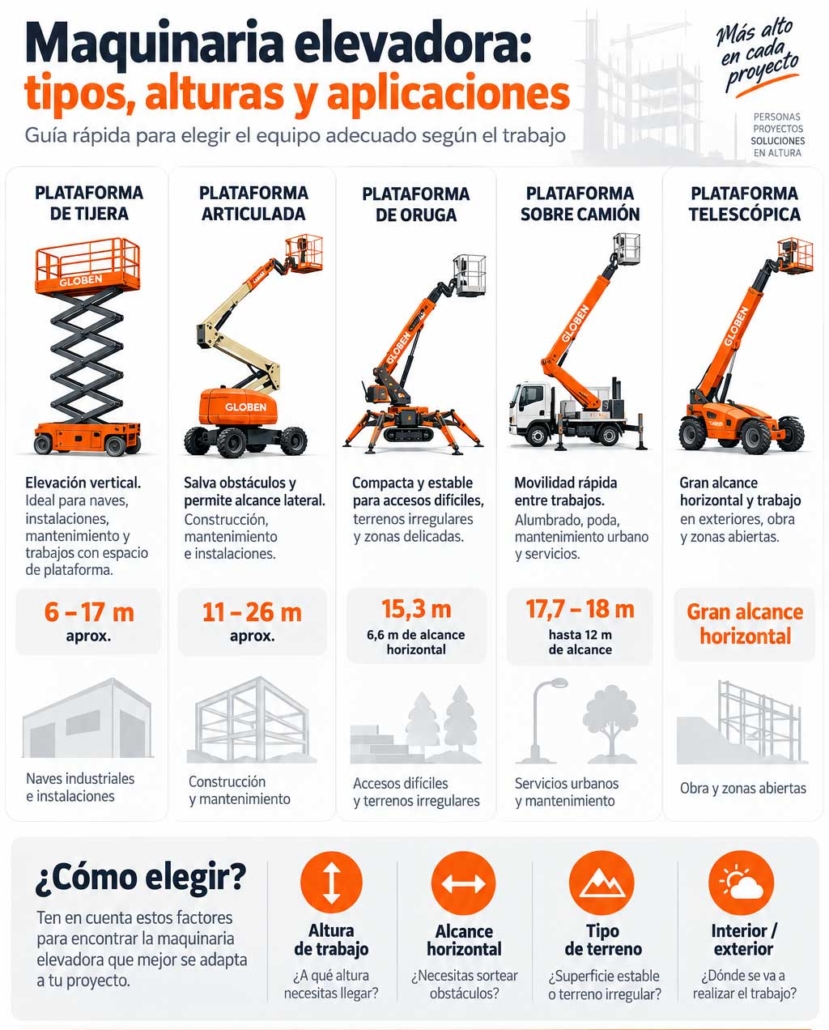
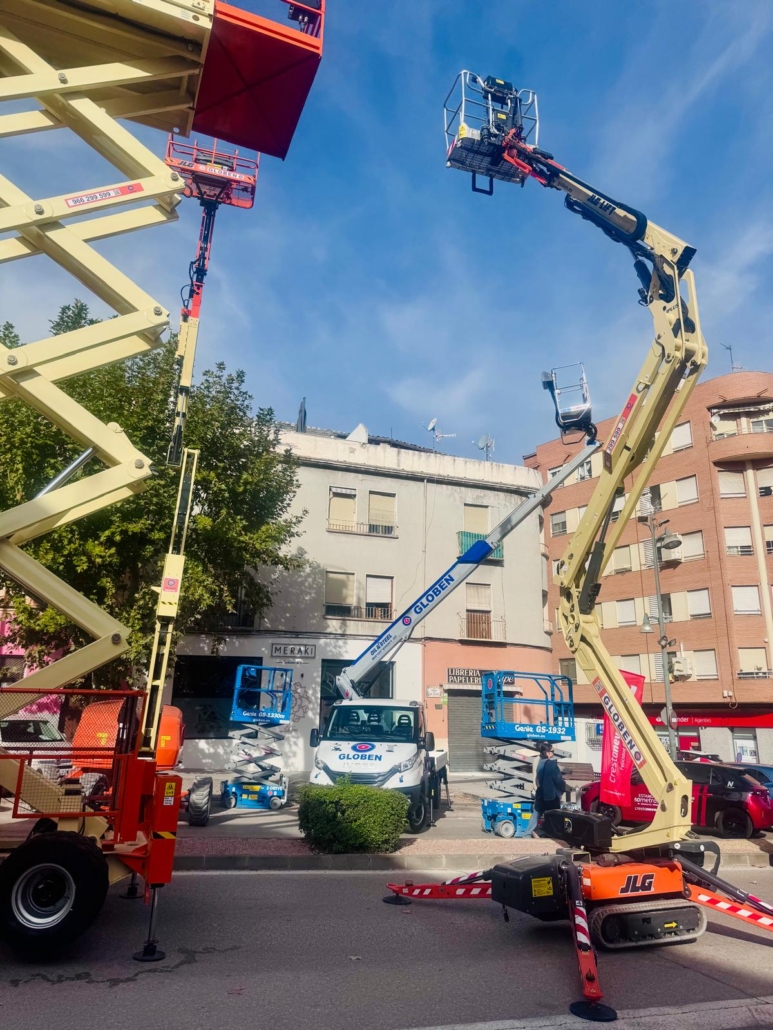
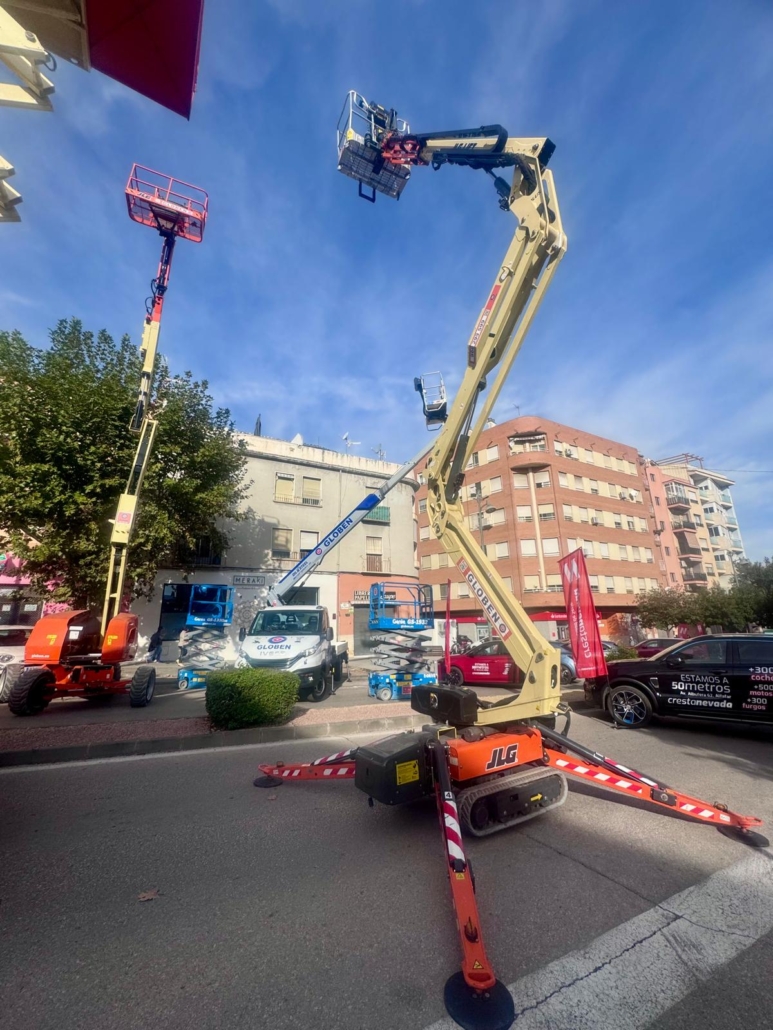
Spider lifts provide great access due to their ability to deploy legs individually and overcome uneven ground, making them ideal for access through narrow doors or porches. Advantages: precise support and large vertical working capacity. Limitations: they require careful setup and their footprint can increase when deployed.
Compact scissor lifts for indoor use
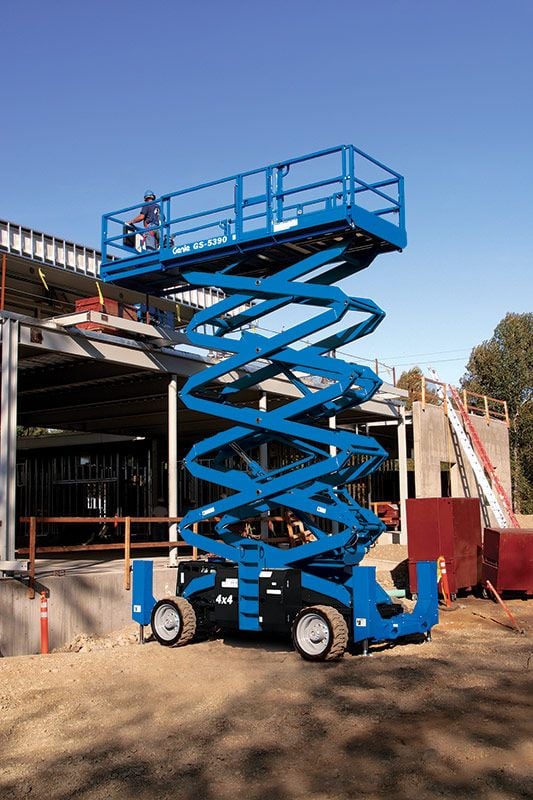
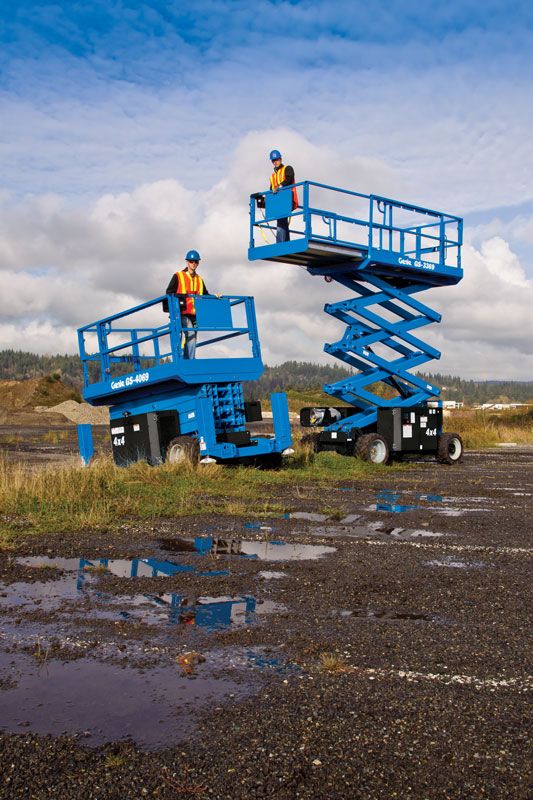
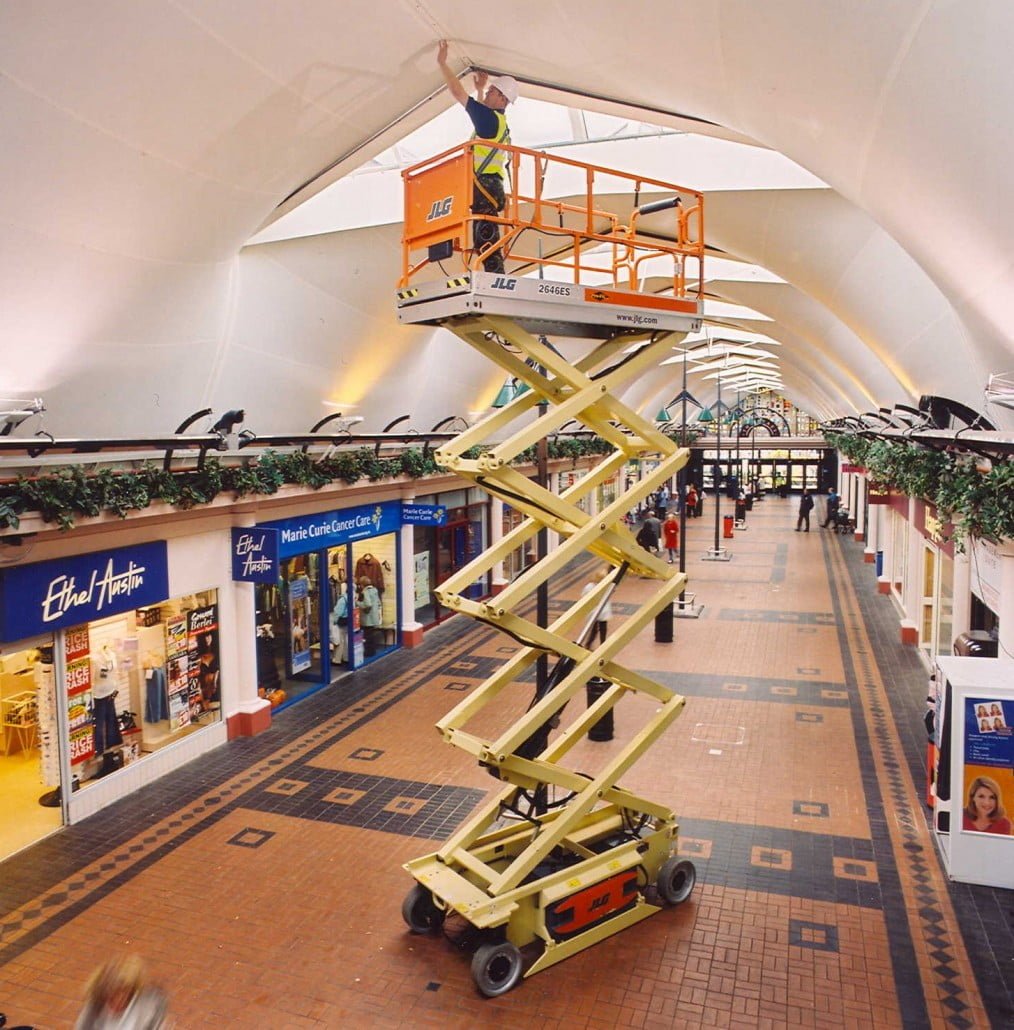
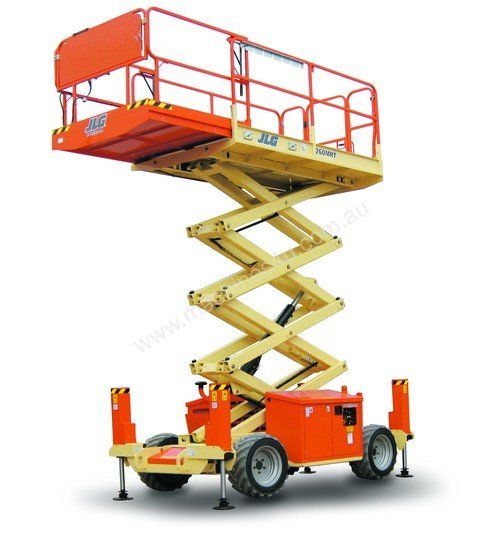
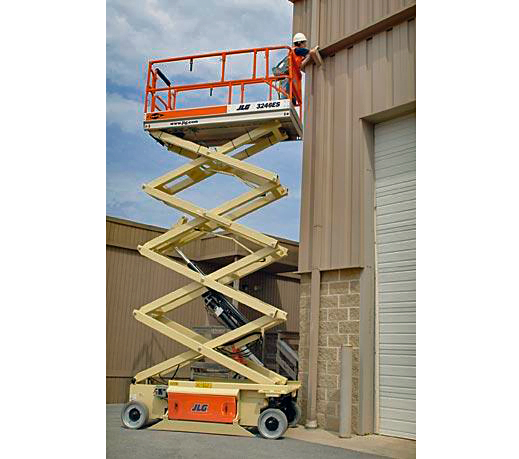
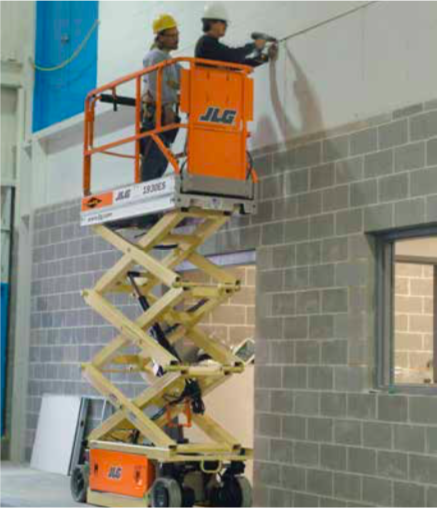
Compact scissor lifts are suitable for corridors and elevated work where a stable, easy-to-use base platform is needed. They are the preferred option for indoor installations, painting and maintenance of low ceilings.
Tracked platforms and uneven ground
Tracked machines combine reduced width with traction and low ground pressure, allowing work on difficult surfaces without damaging the floor. They are useful on sites with narrow access but unstable ground.
Articulated and telescopic platforms in narrow spaces
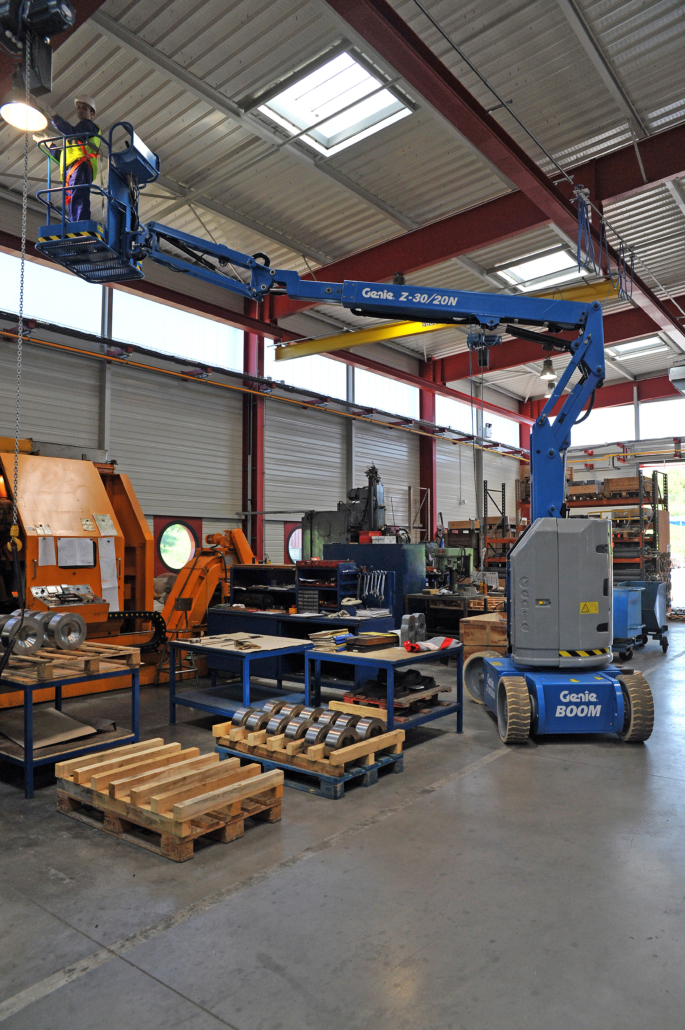
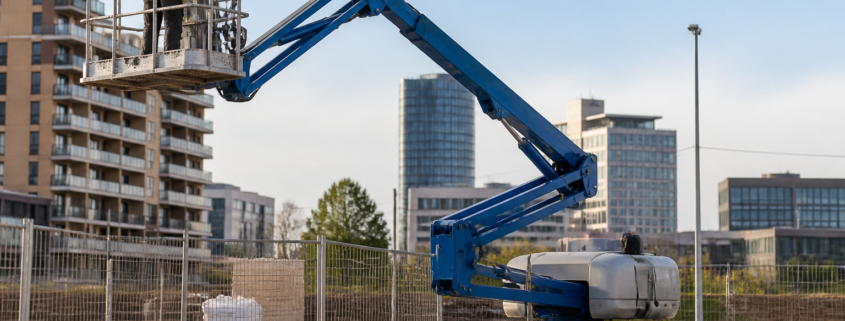
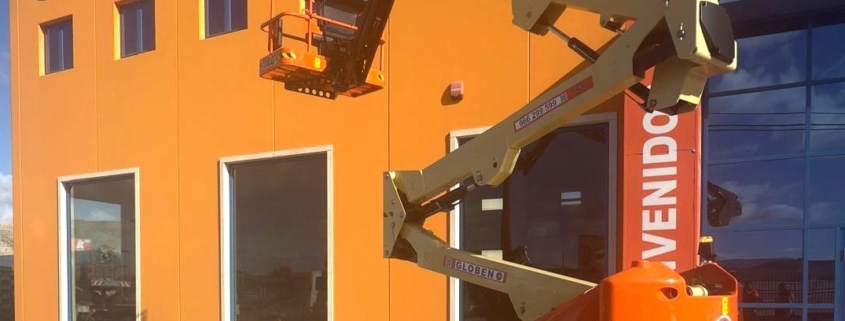
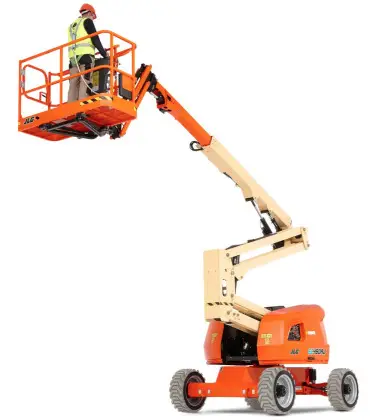
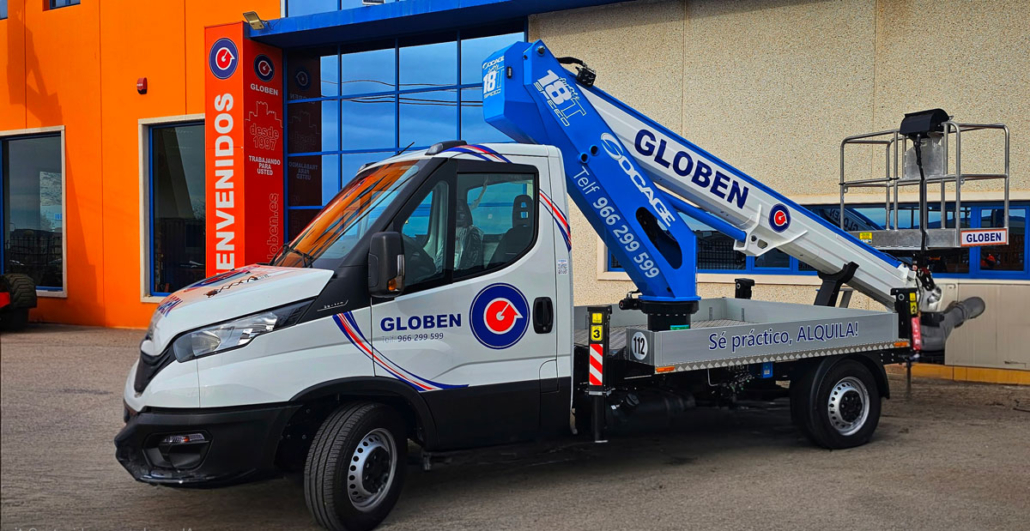
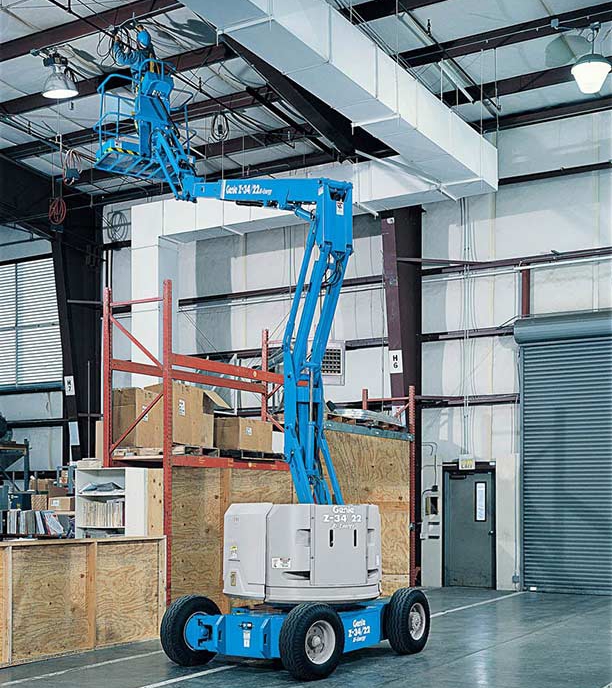
Articulated platforms allow you to clear obstacles and reach lateral points without moving the base; telescopic ones provide greater longitudinal reach. For tasks that require combined reach and precision, the telescopic option can be consulted in detail in the article on telescopic aerial platform rental.
When to use a platform for tight spaces
Site conditions and access restrictions
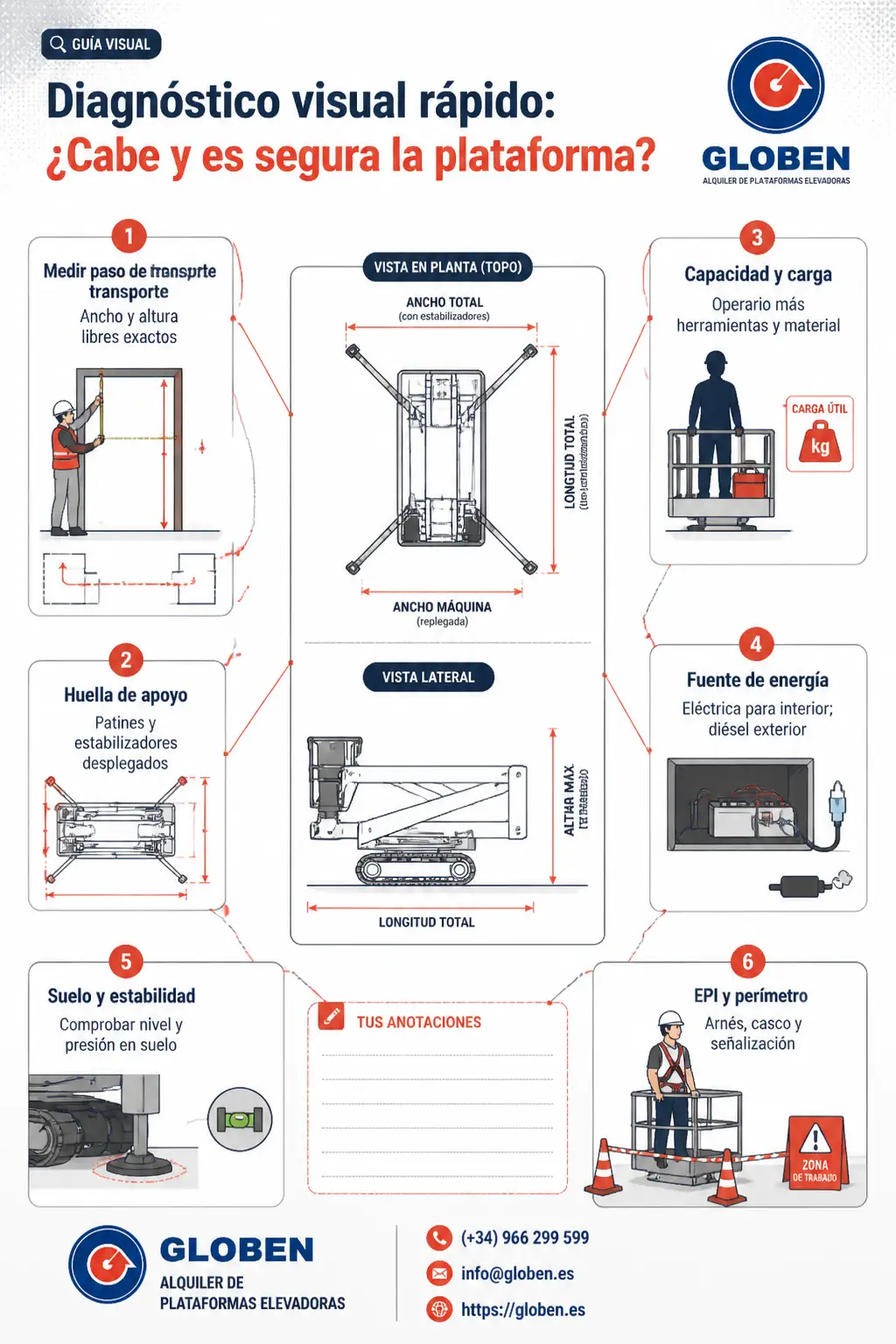
Assess the width and free height of the access point, whether the machine can be disassembled and if furniture or installations limit maneuvering. If the passage is narrower than the transport width, study partial disassembly options or alternatives such as a spider lift.
Required height, reach and capacity according to the task
Do not sacrifice capacity for dimensions: the platform must support the weight of the operator and tools. For jobs with heavy materials or multiple operators, prioritize machines with higher capacity or platforms that allow safe point loading.
Typical cases
- Electrical installations in corridors and false ceilings: compact scissor or tracked platforms.
- Interior maintenance and painting: compact electric scissor lifts.
- Events with access through narrow doors: spider lifts or transportable/disassemblable platforms.
Technical factors to consider before choosing
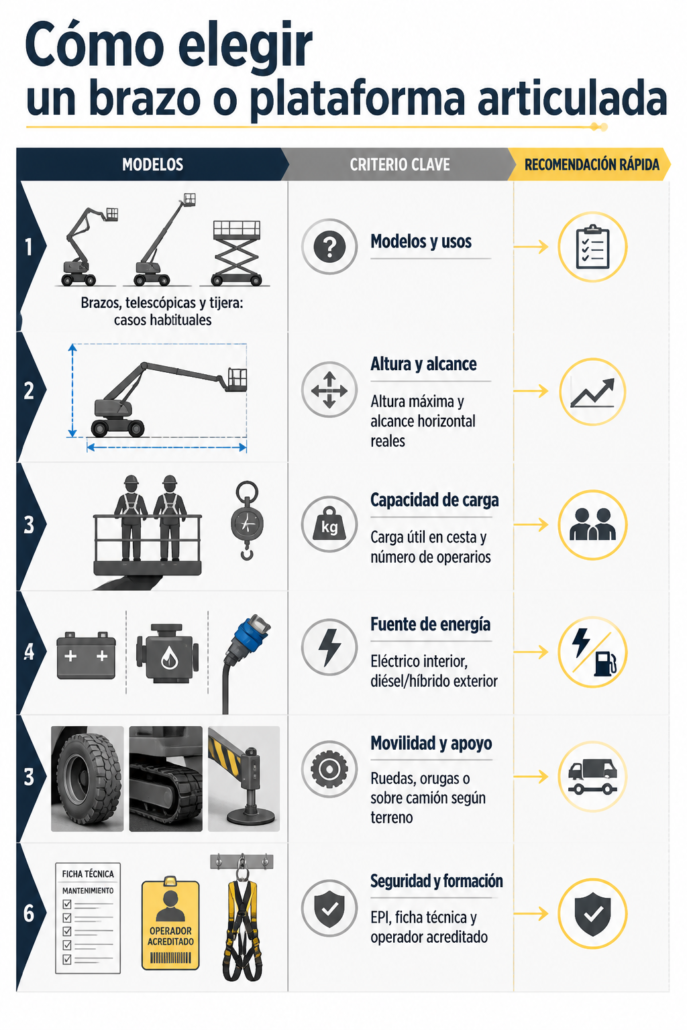
Passage width and deployed height
Measure the access point and compare with transport and working dimensions. Consider extra space for maneuvering and the presence of guards or rails.
Load capacity and number of operators
Check the payload on the data plate and whether the platform allows tools and materials to be carried safely.
Power source: electric vs diesel and emissions
For indoor and enclosed spaces, prefer electric drives to avoid emissions and noise. For outdoor work or sites without mains access, diesel or hybrid options may be necessary.
Stability, support footprint and working surface
Review the support footprint, skids or stabilizers and compatibility with the floor type to avoid tip-overs or pavement deformation.
Applicable regulations and safety
General requirements for work at height
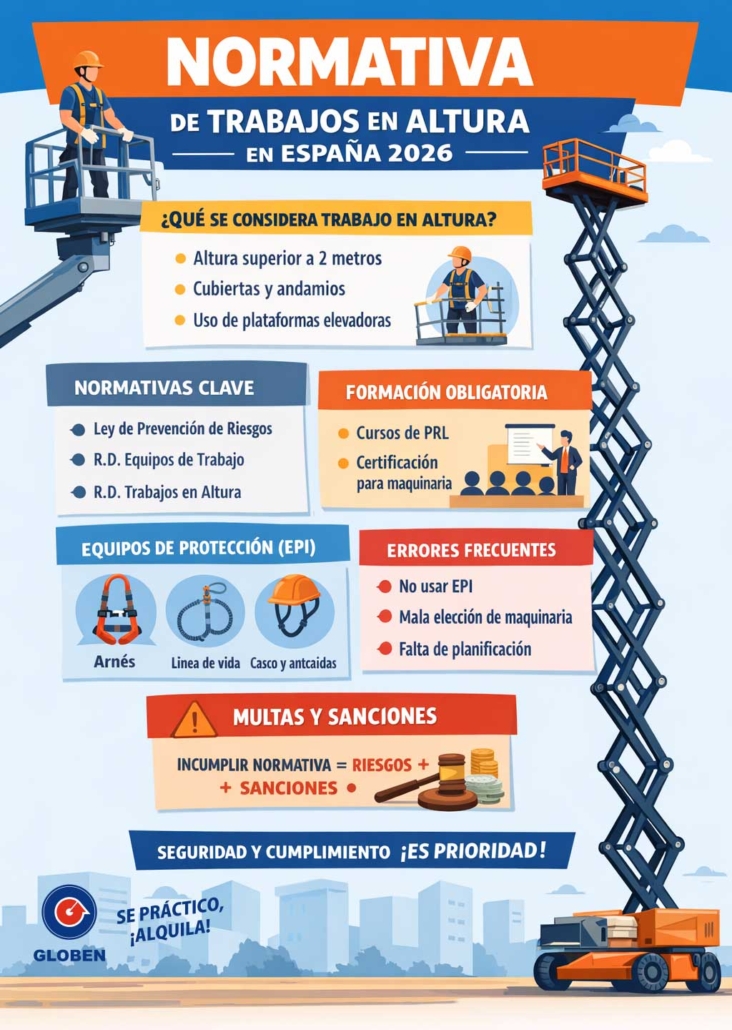
Comply with current work-at-height regulations and the manufacturer's recommendations. Carry out risk assessments specific to restricted access and document control measures.
Training and certification of personnel
Personnel must have specific training for operating aerial platforms and practical familiarity with the specific model.
PPE and mandatory safety equipment
Harness, helmet, safety footwear and signage equipment are basic. Also cordon off the work area and use protection to prevent falling objects in confined spaces.
Maintenance tips and safe use
Pre-use inspections and checklists
Carry out a visual inspection before each use: structure, guardrails, controls, brakes and hydraulic systems. Check fluid levels and battery condition on electric machines.
Best practices during maneuvering
- Avoid sudden movements and maneuvers on slopes.
- Maintain communication with ground personnel.
- Cordon off the area and signal the risk to third parties.
Preventive maintenance and fault management
Develop a maintenance plan according to the manufacturer and manage faults with qualified technical service to minimize downtime and risks.
Rent or buy: criteria to decide
Advantages of renting for one-off projects
Renting allows you to match the machine to the task without storage or permanent maintenance costs; for site and maintenance solutions in the area you can consult options for aerial platform rental.
When to consider buying for companies
If use is frequent and consistent, purchasing may pay off, always considering technical service, spare parts and storage space.
Technical services, after-sales options and local considerations
Check availability of local maintenance, spare parts and training options. In the southeast (Alicante, Elche, Villena, Murcia, Valencia, Albacete) coordinating municipal permits and urban access is common; for specific brand equipment and configurations, there is also the option of Genie aerial platform rental for certain applications.
We're here to help take your ideas to the next level! Globen, a leading company in aerial platform rental, understands the importance of offering high-quality equipment. We are your construction machinery rental company.Quick technical checklist before operating
- Check passage width, free height and transport access.
- Verify the condition of PPE and safety devices.
- Check batteries, fuel level and support stability.
- Risk assessment and cordoning off the work perimeter.
Frequently asked questions about platforms in tight spaces
What type of platform is most suitable for narrow corridors?
It depends on the width, working height and the nature of the floor; compact scissor lifts or tracked machines are often the most common options.
Does the operator need specific training?
Yes. Training in aerial platforms and practical experience with the specific model are essential.
How can I check if it will fit through an access point without measuring the whole machine?
Measure the available width and height and compare with the transport and working dimensions. Consider space for maneuvering and guards.
What minimum maintenance does a platform used indoors require?
Visual inspections before each use, checks of brakes and batteries and periodic servicing according to the manufacturer's plan.
If you need local technical advice to choose the best aerial platform for tight spaces for your project in Alicante, Murcia or Valencia, contact local branches to assess dimensions, permits and after-sales service. A correct choice and compliance with safety reduce downtime and increase efficiency on site.
Note: for tasks requiring combined reach and maneuvering in very narrow spaces, consider carrying out on-site trials beforehand or requesting specialized technical advice.