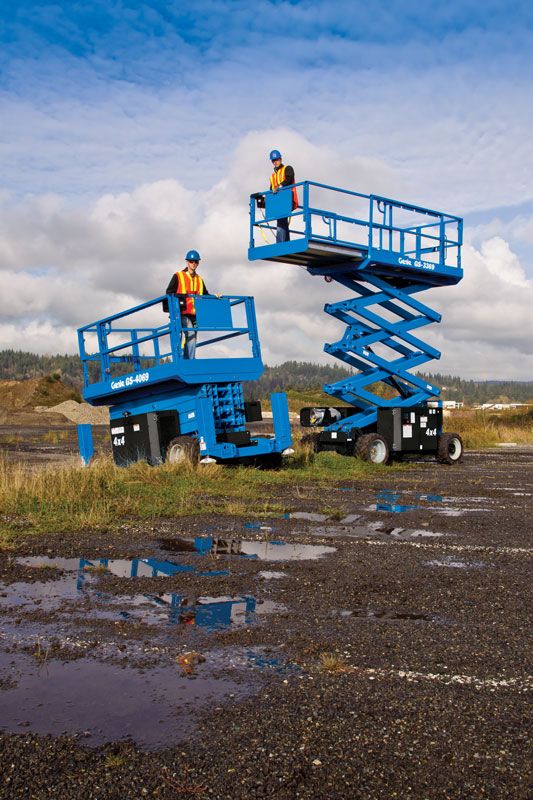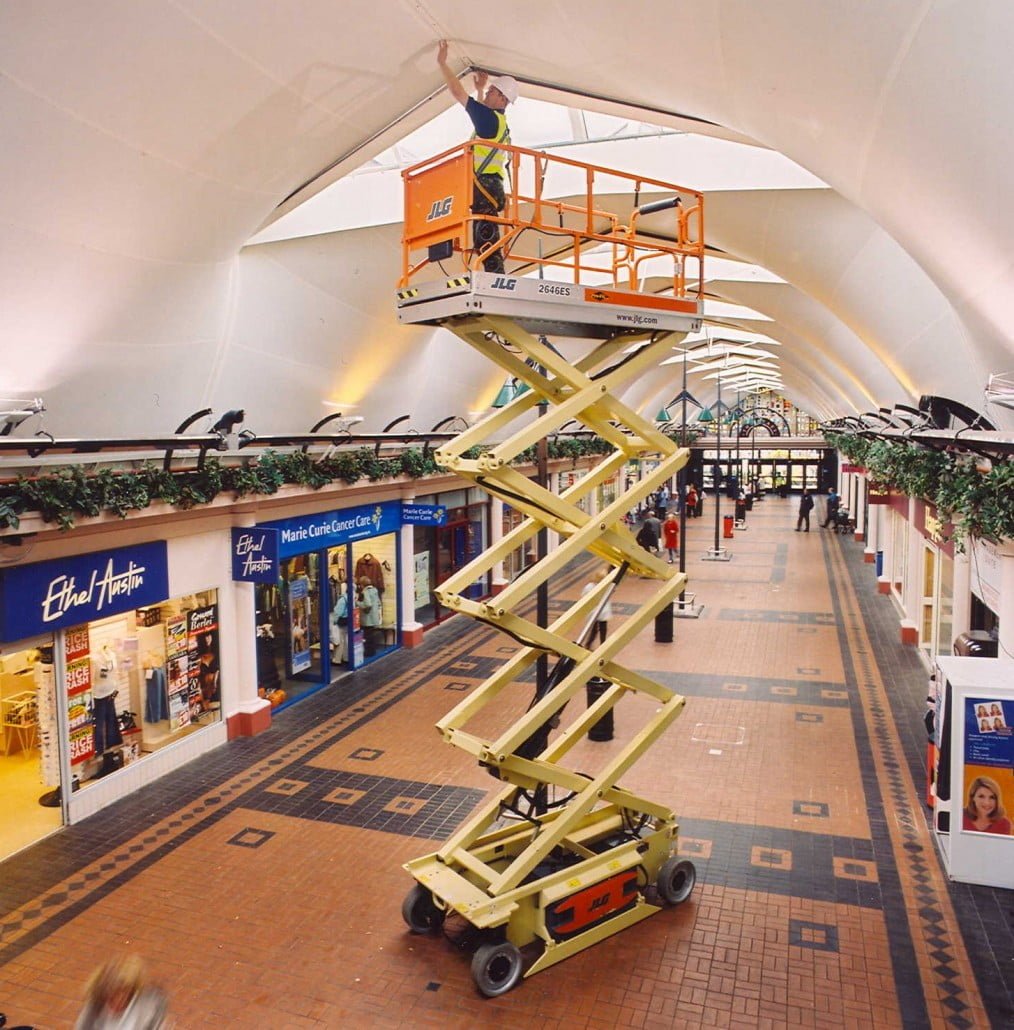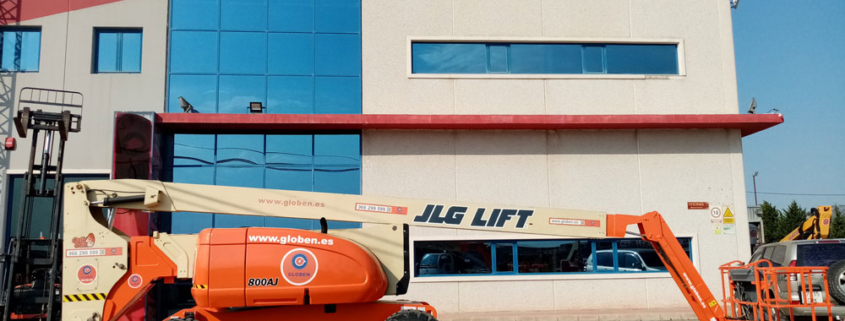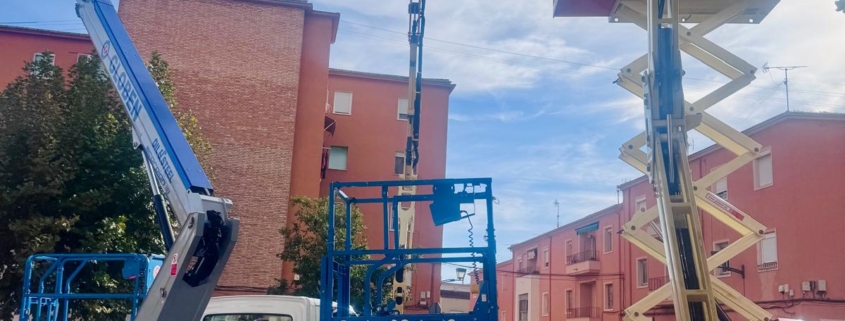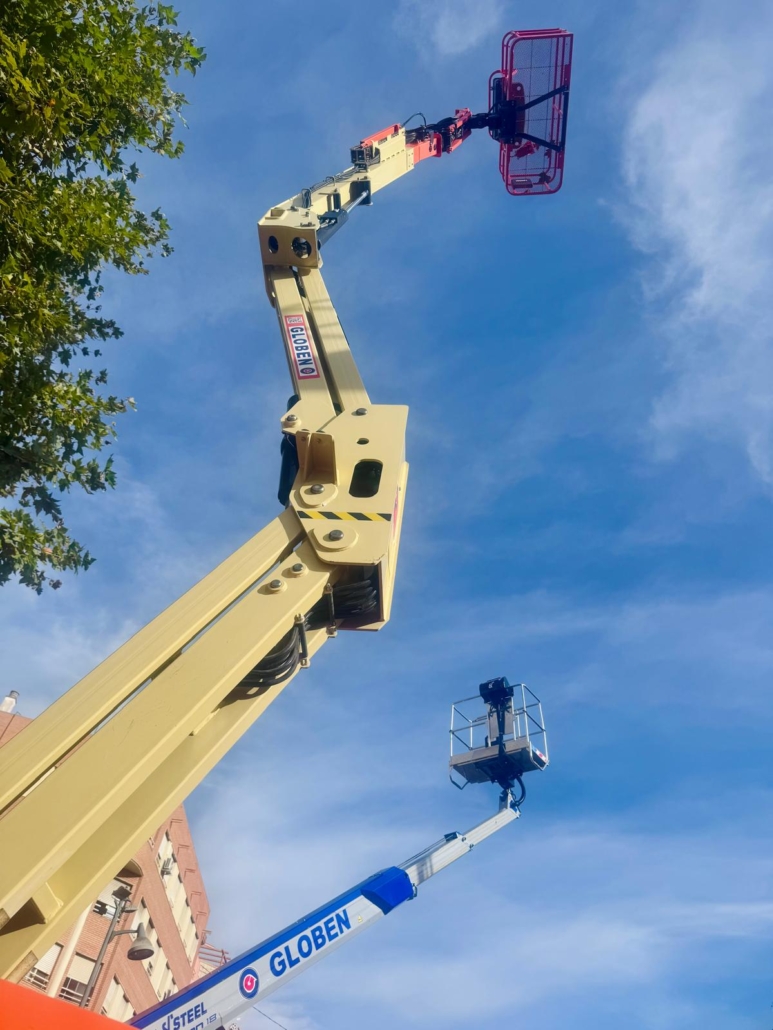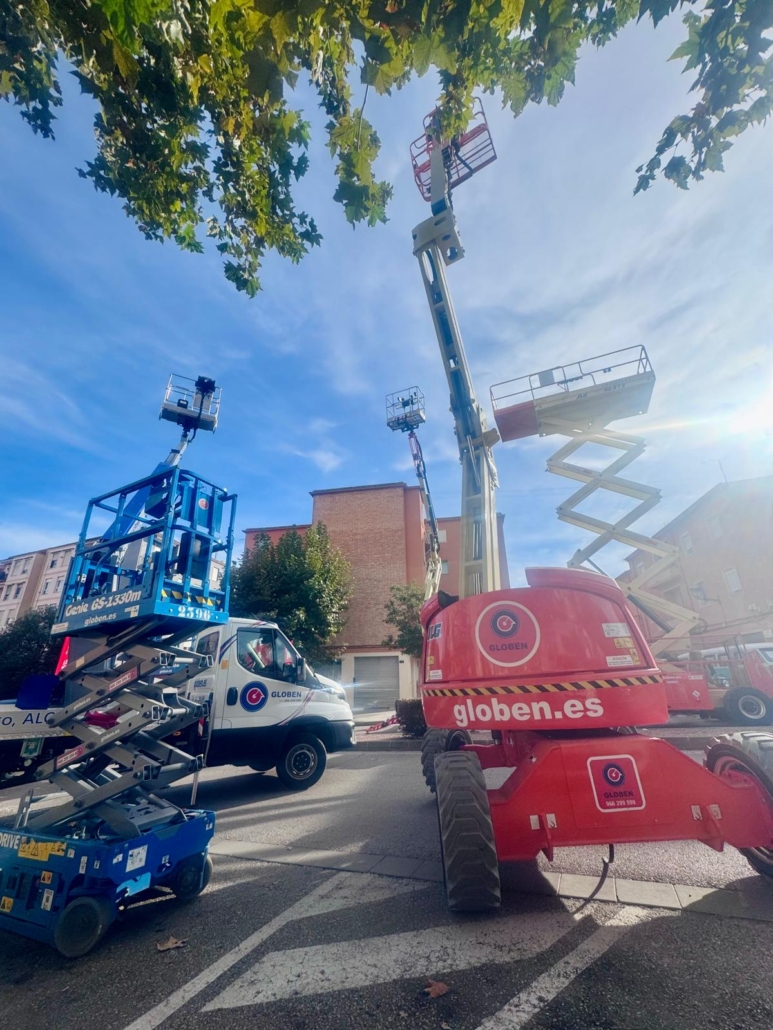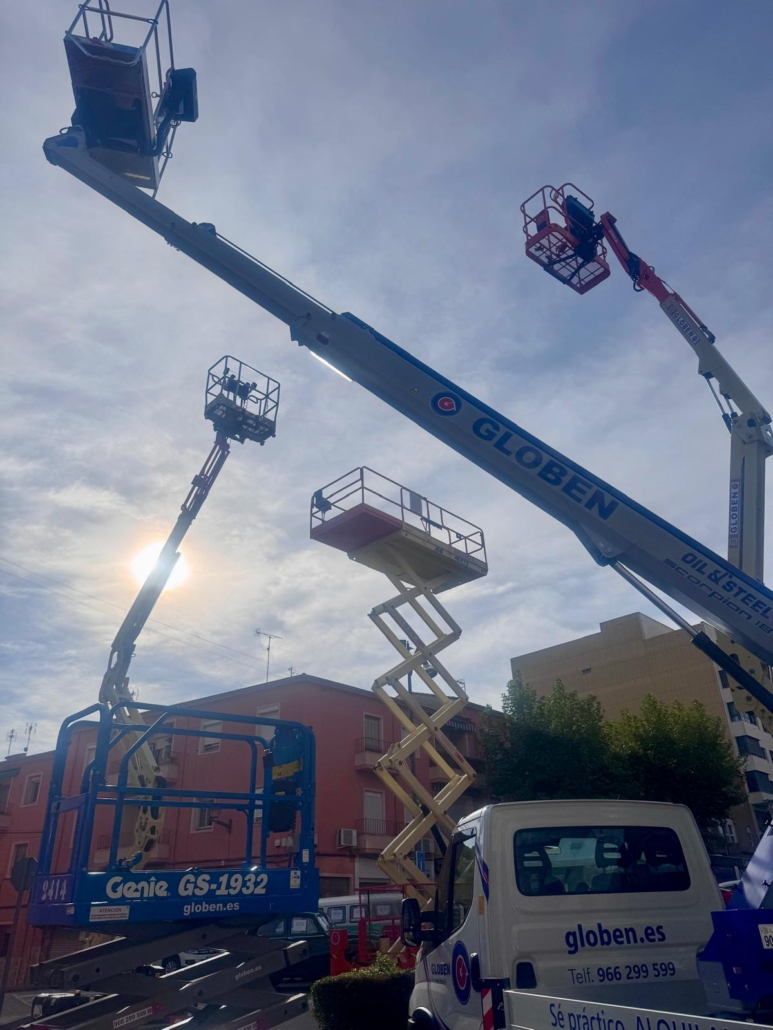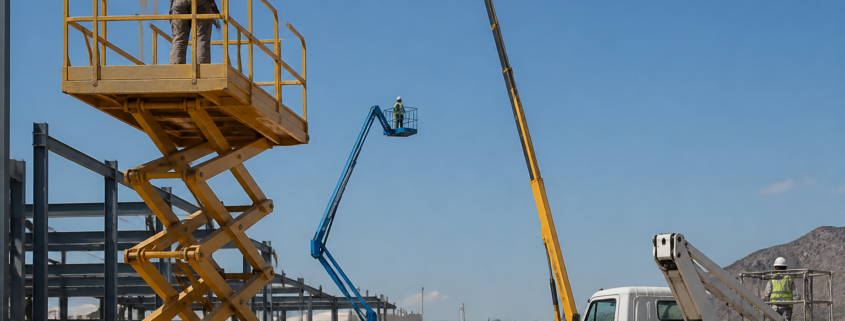
Varios tipos de plataformas elevadoras en obra con operarios con EPI trabajando.

The key phrase Lifting equipment: types, heights and applications guides this technical guide for site managers and companies in the southeastern Spanish peninsula. We explain which machines exist, how to interpret their height and reach figures, and which criteria to prioritize to maximize safety and productivity on projects in Alicante, Murcia, Valencia and Albacete.

In this section we will develop the basic concepts: the lifting equipment: types, heights and applications includes mobile aerial work platforms, forklifts and telehandlers. Knowing how to distinguish each type and its operating range prevents selection errors that affect costs and safety.

The proper selection of Lifting equipment: types, heights and applications depends on factors such as the work environment, frequency of use and transport logistics. Evaluating the real need for height, lateral reach and load capacity from the start reduces later corrections and improves execution times.
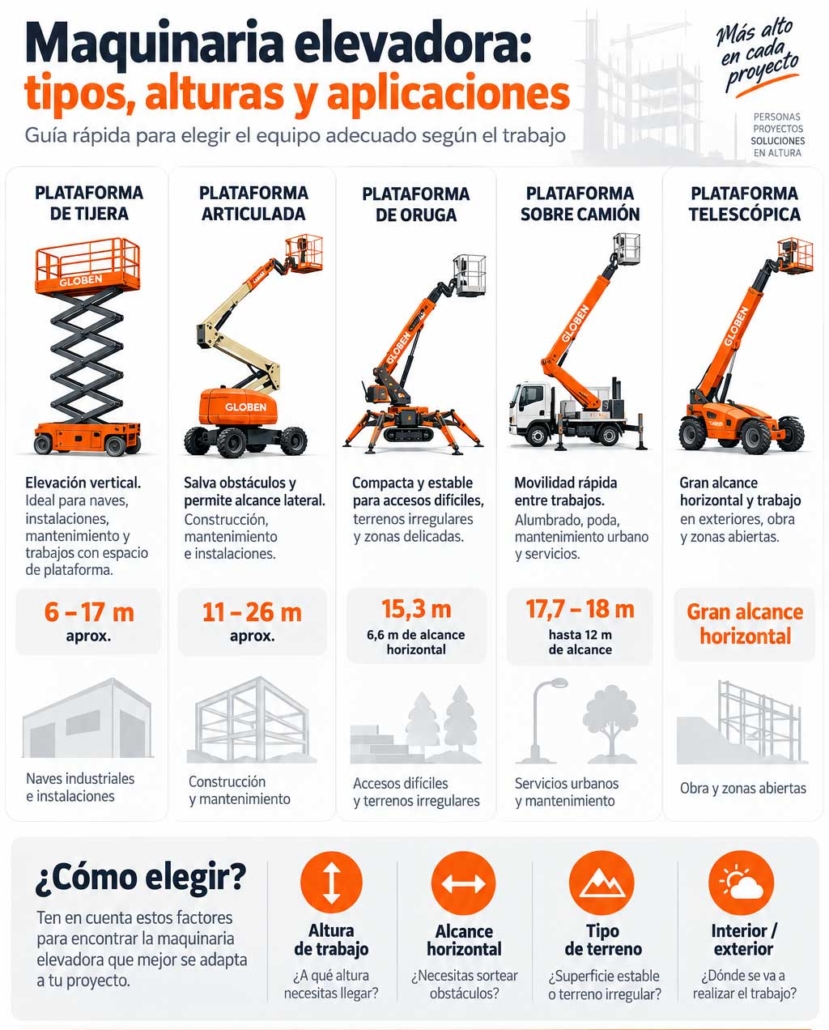
maquinaria elevadora tipos

Scissor lifts: how they work and when they are suitable

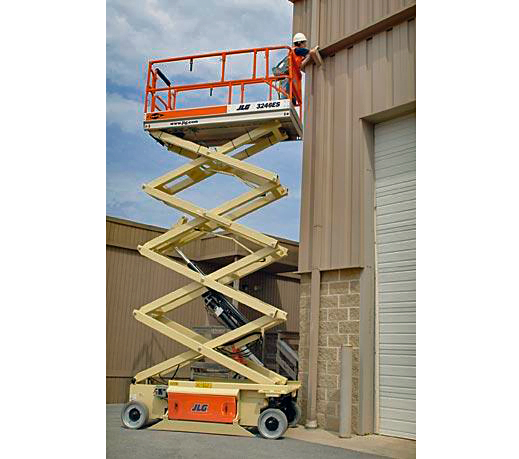
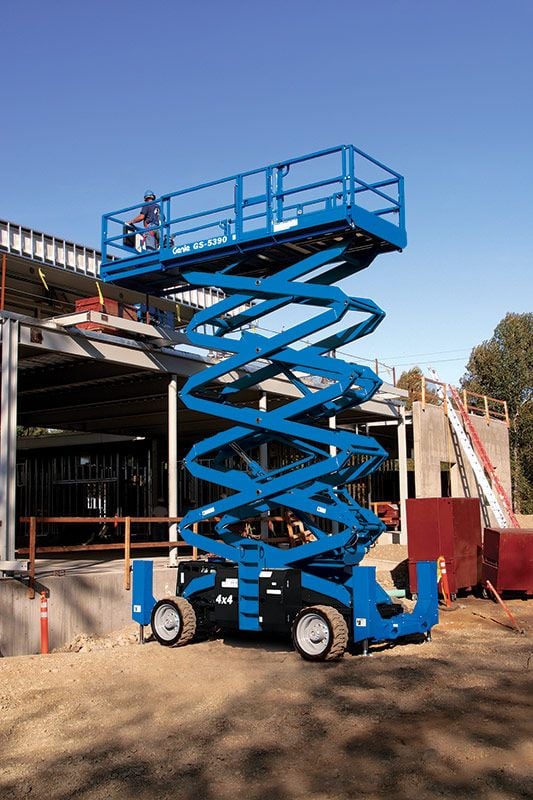
Scissor lifts raise vertically with a wide, stable base. They are the preferred option for jobs that require a large work surface and vertical elevation on firm ground (finishes, installations on wide façades or slab assembly). They usually offer good load capacity and operational simplicity.

Articulated boom lifts: advantages for jobs with access constraints

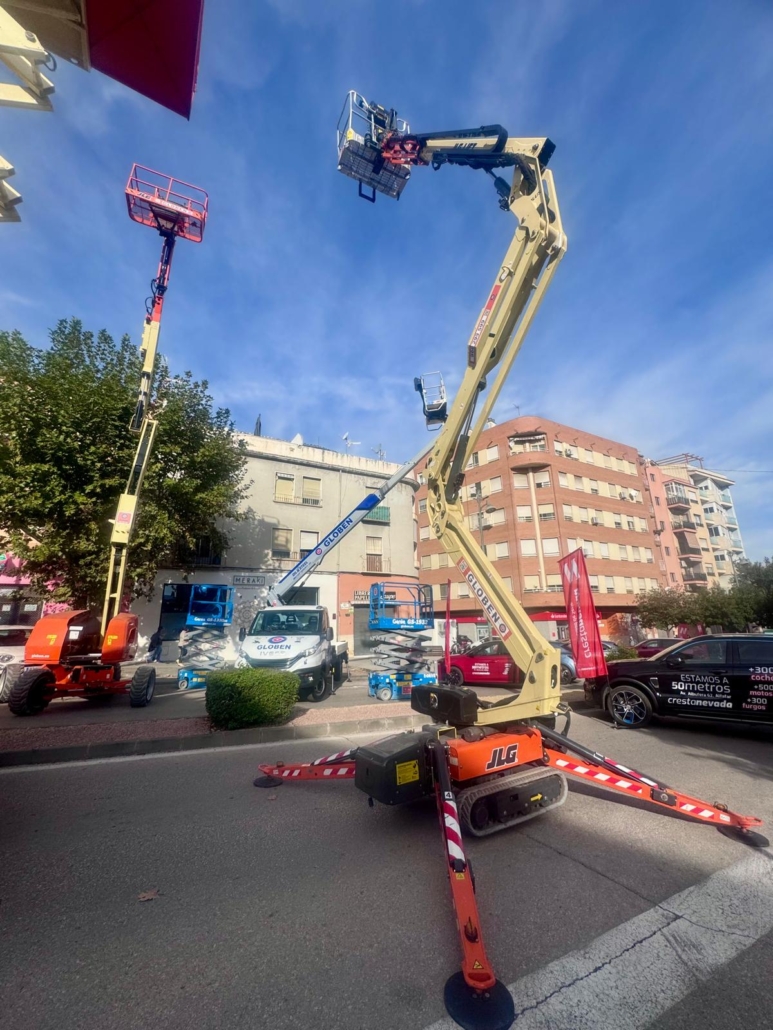
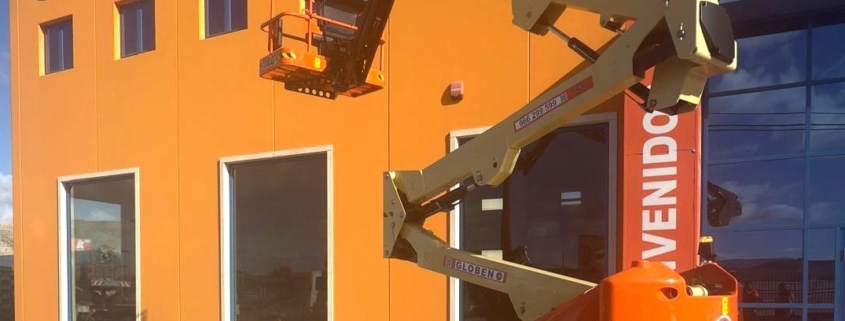
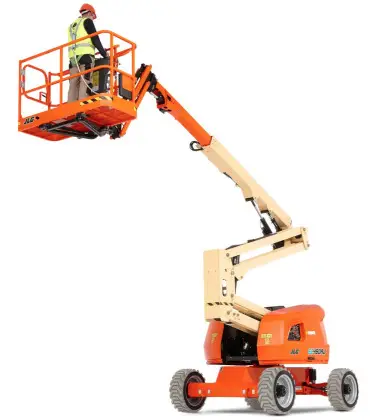
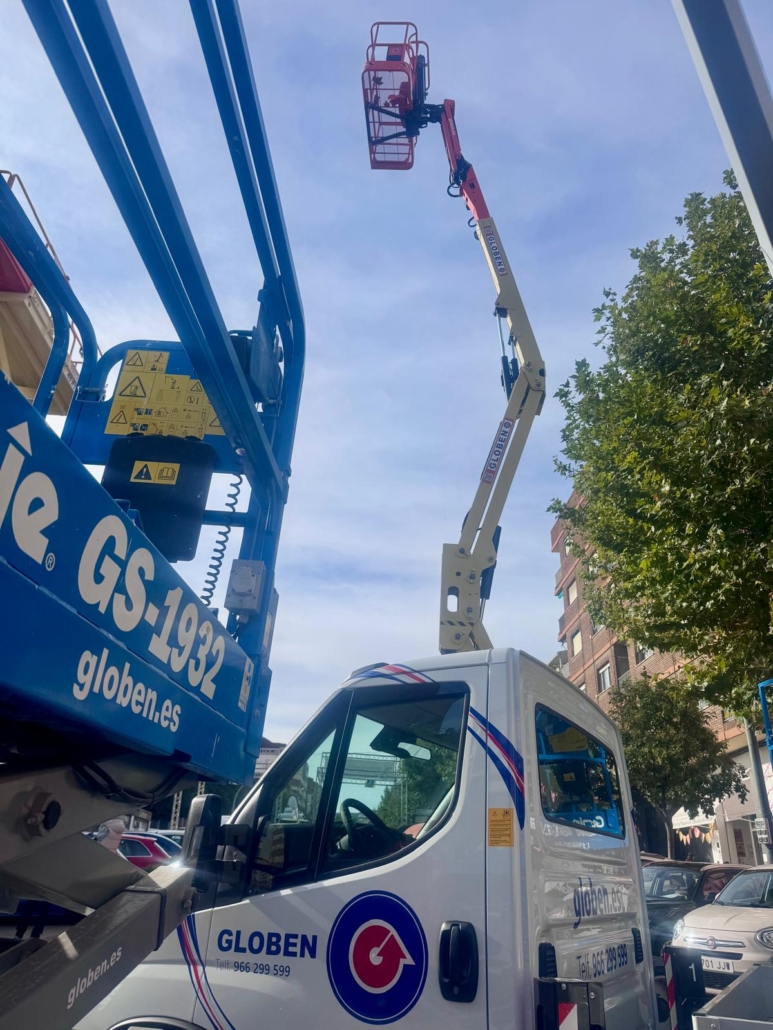
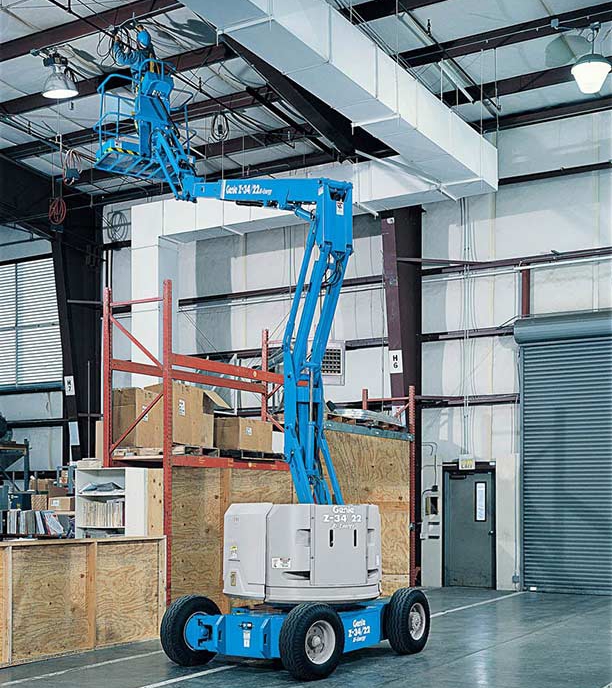
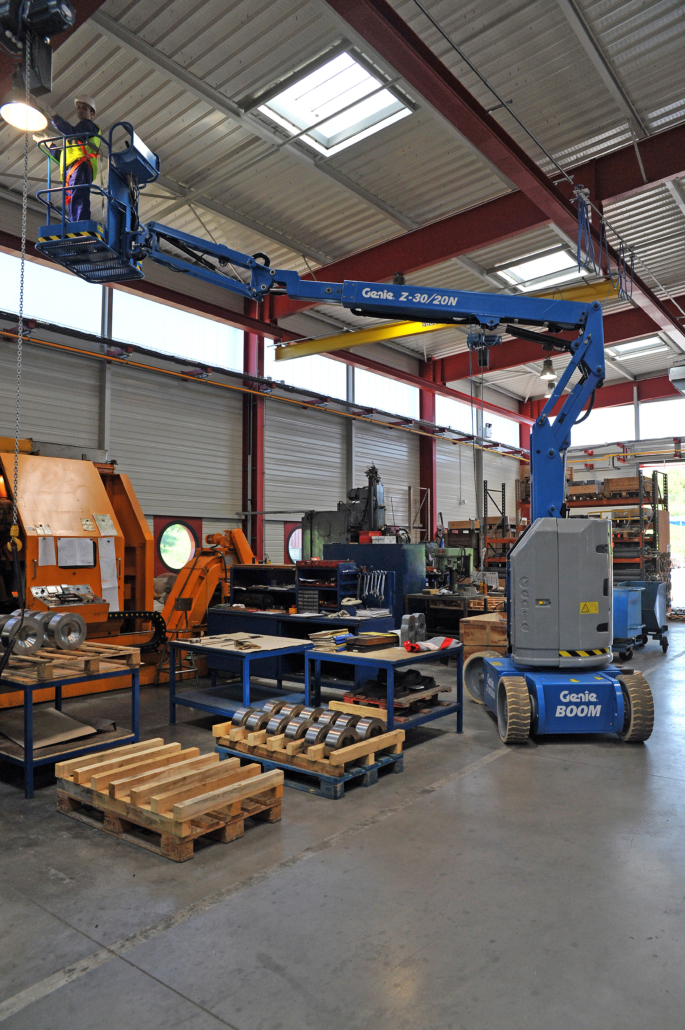
Articulated units combine an articulated arm and a basket, allowing obstacles to be bypassed and access to difficult openings. They are indicated in urban environments, façade maintenance with balconies or electrical installations where direct access is not possible.

Telescopic boom lifts: horizontal and vertical reach

Telescopic units provide greater horizontal and/or vertical reach and are useful in civil works and outdoor height jobs where large distances must be covered from a support base, for example structure assembly or work in tall industrial buildings.

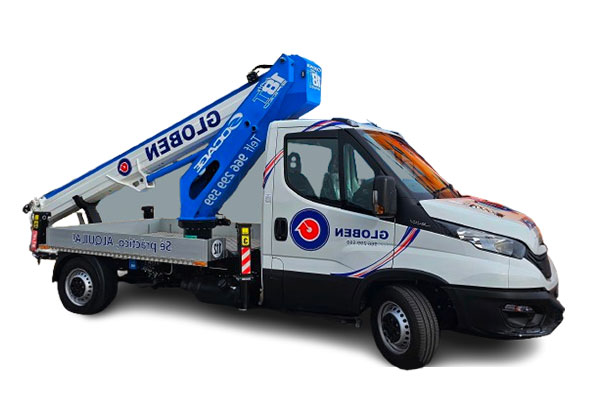
Truck-mounted platforms: mobility for operations on public roads

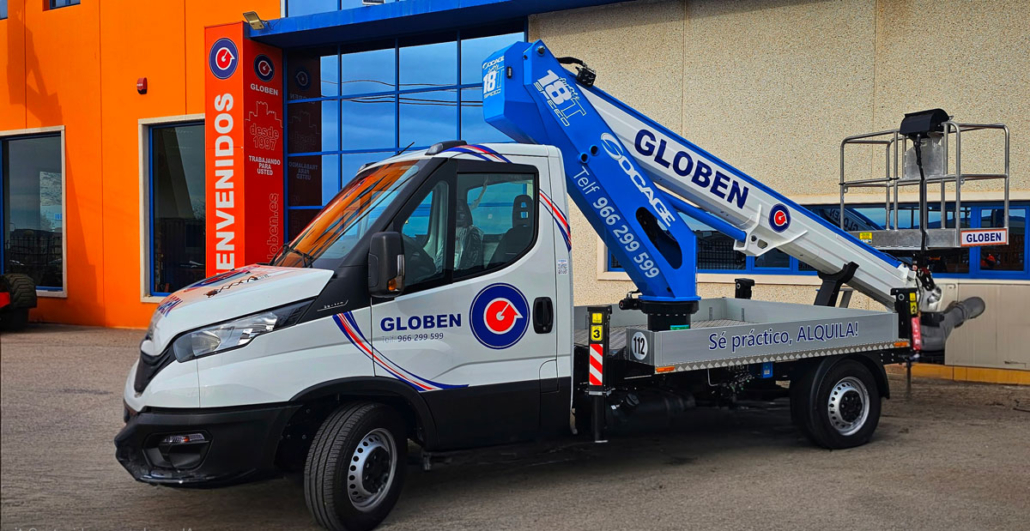
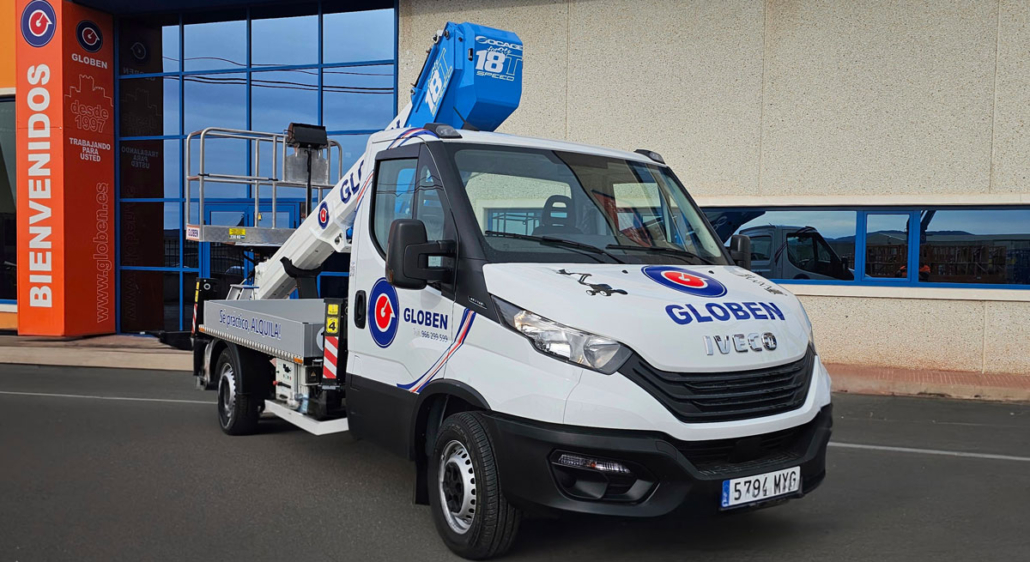
Truck-mounted platforms combine transport and lifting, reducing deployment times in interventions on public roads or streetlight maintenance. Permits and local traffic conditions must be checked.

Forklifts and telehandlers: differences and uses

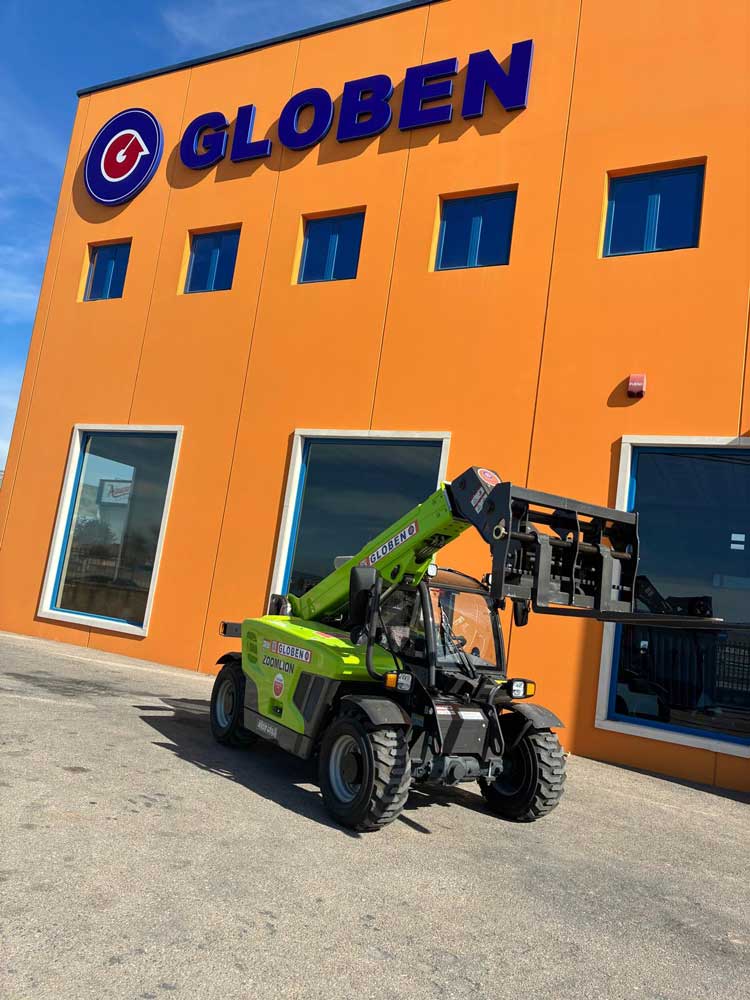
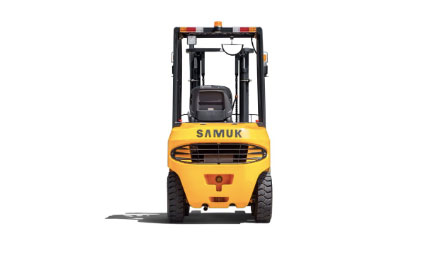
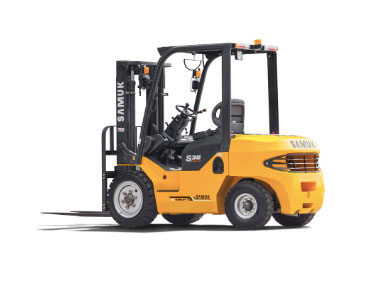
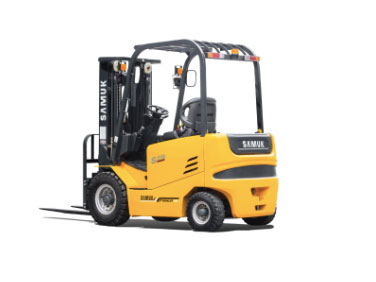
Forklifts and telehandlers cover load handling on site and in warehouses. While the forklift is optimal indoors and between aisles, the telehandler provides frontal reach and traction for uneven terrain.

In many projects it makes sense to combine equipment: for example, use forklifts for internal logistics and aerial platforms for height work. Integrating Lifting equipment: types, heights and applications into logistical planning facilitates coordination between site personnel and maintenance services.
Working height vs lateral reach: what they mean

The working height is the maximum distance from the ground to the working point; the lateral reach indicates how far the platform moves horizontally from the machine's axis. Both figures determine whether a machine can reach the point without repositioning the unit.

Practical classification by height ranges

  • Low (up to 10 m): indoor tasks, maintenance of low ceilings and installations.
  • Medium (10–20 m): façades, installation assembly in warehouses, general construction.
  • High (over 20 m): towers, high façades, industrial installations and specific civil works.

Examples of tasks according to the required height

Public lighting installations usually require truck-mounted or articulated platforms with lateral reach; warehouse work and picking use forklifts; scaffold assembly and formwork tasks generally require electric or diesel scissor lifts depending on the ground.

Construction and public works

In new construction and rehabilitation, load capacity and stability are prioritized: scissor lifts for wide surfaces and telescopic units for reach over cantilevers.

Industrial installation and maintenance

For interior installations, electric low-emission equipment is preferred; outdoors, diesel machines with greater autonomy and reach are used.

Events and infrastructure assembly

Events require maneuverable and safe machines for structure assembly and rigging; planning the flow of personnel and materials influences the choice.

Logistics and warehousing

Forklifts and pallet trucks optimize load handling; the choice between electric or combustion depends on ventilation and shift work.

Protective equipment and staff training

Specific training for operators and the use of PPE (harness, helmet, safety footwear) are essential. Work planning and signage reduce the risk of incidents.

Inspections, certifications and mandatory documentation

Before any use, periodic inspections and the machine's documentation must be verified. Complying with current regulations and keeping maintenance records ensures traceability and legal safety.

Preventive maintenance and technical service

Preventive maintenance keeps availability and extends the machine's service life: checking hydraulics, batteries, brakes and electrical systems. For complex failures, requesting technical service avoids prolonged downtime and indirect costs.

Incorporating daily inspection procedures reduces failures: pre-start checklists and reporting protocols speed up repairs. Adopting a proactive policy on Lifting equipment: types, heights and applications helps reduce incidents and operating costs.

To select the correct machine, evaluate the environment, access and tasks. If the need is occasional or variable, studying rental options provides flexibility and technical support: a search for rental of lifting equipment for jobs can be the most efficient solution. It is also advisable to compare local options such as the aerial platform rental in Alicante, aerial platform rental in Torrevieja or the aerial platform rental in Murcia depending on proximity and response times.

Quick checklist:

  1. Define the real height and reach required.
  2. Verify load capacity of the platform or boom.
  3. Check ground conditions and access to the work point.
  4. Choose the power type according to ventilation and emissions.
  5. Plan transport, permits and signage if operating on public roads.

The lifting equipment: types, heights and applications must be integrated with a safety and maintenance plan that allows operation at maximum efficiency. In southeastern Spain, local availability and technical experience are determining factors to reduce downtime and costs.

Before deciding between purchase and rental, compare service levels and response times: having local technical support is a critical factor in daily operations. Considering maintenance contracts that include parts and inspections facilitates the management of Lifting equipment: types, heights and applications in recurring projects.

Summary: the right choice comes from combining technical requirements (height, reach, load), environmental conditions and regulatory compliance. Applying these criteria optimizes productivity and minimizes risks on site.

We're here to help you take your ideas to the next level! Globen, a leading company in aerial platform rental, understands the importance of offering high-quality equipment.
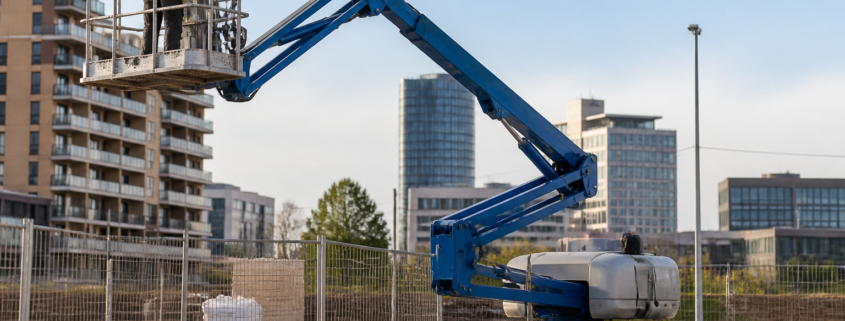
Operario con casco y arnés comprobando una plataforma articulada en una obra urbana

The rental of articulated booms and platforms is a common solution for work at height that requires complicated access and reach above obstacles. This practical guide helps site managers, maintenance companies and installers in Alicante, Elche, Villena, Murcia, Valencia and Albacete evaluate when and how to hire this type of equipment with criteria for safety, productivity and regulatory compliance.

Definition of articulated boom and articulated platform

An articulated boom is made up of sections joined by joints that allow the unit to navigate around obstacles and provide horizontal reach in addition to height. The articulated platform includes the basket with controls and the hydraulic systems that lift and position the boom.

Main differences compared to scissor and telescopic platforms

Scissor platforms lift vertically, with greater load capacity and stability on flat surfaces. Telescopic units provide long horizontal reach in a straight line. Articulated booms combine access flexibility and maneuverability for areas with intermediate elements.

Specific advantages of articulated booms for complex jobs

They allow access around cornices, installations and structures, reduce the need for scaffolding in renovations and facilitate quick inspections on irregular façades and roofs.

Working height and horizontal reach

Assess the maximum height and the real horizontal reach under working load. For situations where access is direct and without obstacles, telescopics are alternatives; also check options for telescopic boom lift rental if the project demands long straight reach. When planning the rental of articulated booms and platforms, always request the technical datasheet that indicates real capacities under working load.

Load capacity and work platform

Check the basket's payload, available space and the allowed number of occupants. Projects with heavy tools or multiple operators require models with higher capacity and a larger platform.

Power source: electric, diesel or hybrid

For indoor use or spaces with emission limitations, prioritize electric booms. For outdoor work and heavy construction, diesel or hybrid versions offer autonomy and performance.

Tires, stabilizers and mobility

Consider non-marking tires for indoor use, tracks for unstable terrain and hydraulic stabilizers for work on slopes.

Work in urban environments and with obstacles

On façades with balconies, cornices or trees, renting articulated booms and platforms allows you to clear intermediate elements without erecting scaffolding, reducing intervention time and street occupation.

Inspections, maintenance and façade work

For targeted renovations and technical inspections, choosing a compact articulated boom optimizes maneuvers and minimizes impact on the surroundings.

Industrial works, assemblies and events

In industrial halls or when assembling structures, selection will depend on the usable height, load to be lifted and maneuvering space. For urban events, prefer electric, low-emission equipment.

Criteria for indoor vs outdoor

Indoors: electric, compact versions. Outdoors: all-terrain models or truck-mounted units for fast access and long transfers.

Personal protective equipment and collective protections

  • Harness with energy absorber and certified anchorage point.
  • Appropriate helmets, gloves and safety footwear.
  • Signage of the area and, where appropriate, fall-arrest systems on the platform.

Applicable regulations and good practices

A risk assessment, periodic maintenance and compliance with occupational risk prevention regulations are required. The regulations affecting the rental of articulated booms and platforms require documenting inspections and following operating procedures. Always document the assessment and work methods before starting tasks at height.

Operator requirements and certifications

Operators must have specific accredited training in aerial platforms, be familiar with the particular equipment and know emergency procedures.

Technical checks prior to receipt

  • Structural condition and basket.
  • Tires, tracks and stabilizers.
  • Functioning of controls, hydraulic systems and load limits.

Documentation that should accompany the machine

Equipment manual, technical datasheet, inspection certificate, maintenance record and proof of operator training.

Inspection and maintenance plan during the rental

Establish daily visual checks and weekly functional controls depending on use; record incidents and request technical support for any anomaly. Include contractual checklist clauses about insurance, assistance and rental conditions for articulated booms and platforms to avoid misunderstandings in supply.

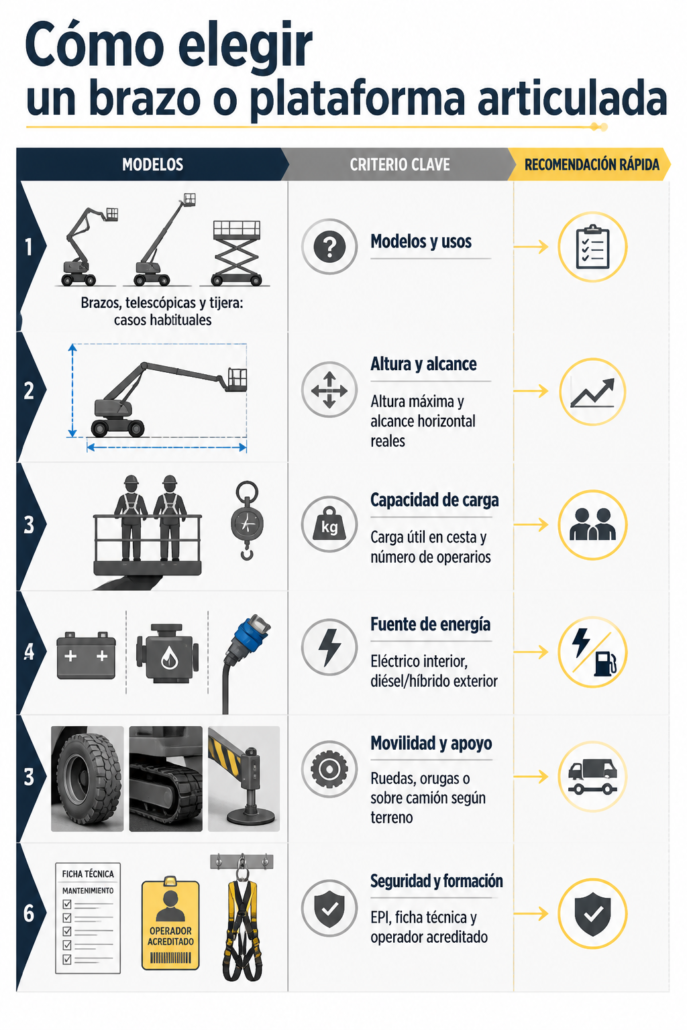
Comparativa visual para elegir un brazo o plataforma articulada según modelo, altura y alcance, capacidad de carga, fuente de energía, movilidad y requisitos de seguridad y formación

How to estimate the duration and real cost of the project

Plan realistic workdays, include travel and assembly times, and consider rental options by days, weeks or long-term projects. Also factor in the cost of accessories and permits.

Accessories and options that increase productivity

  • Platforms with basket rotation, work boards and tool tables.
  • Fall-arrest systems and electrical kits for tools at height.

When it's worth renting short-term or long-term

For one-off jobs, renting articulated booms and platforms avoids capital investment; for fleets with constant demand, negotiating long-term terms can be more efficient. Also negotiate conditions that include quick replacement in case of breakdown to minimize downtime.

If your project requires comparing brands and fleets, you can also consider options for Genie aerial platform rental due to their presence in a range of projects.

Construction and façade rehabilitation

Articulated booms are ideal for interventions where there are protruding elements or when access is required from restricted areas without occupying large surfaces.

Electrical installations and work at height

For line installations or street lighting, the maneuverability and precision of booms allow positioning operators without unnecessary risks.

Events, urban maintenance and logistics

For assembling temporary structures and maintaining public lighting, use electric, compact equipment that eases permitting and reduces inconvenience to the public.

Answers to common questions from professional clients

  • Required training? Accredited operating courses.
  • Indoor or outdoor? Choose the power source based on ventilation and emissions.
  • Documentation? Always demand the manual and maintenance log.

Links and training and regulation resources

Consult occupational risk prevention guides and locally accredited training.

For any technical query or to coordinate a supply in Alicante, Elche, Villena, Murcia, Valencia or Albacete, use the checklist above and request technical assistance before signing the contract.

Summary: the rental of articulated booms and platforms is the recommended option when access requires overcoming obstacles, precision and maneuverability. Consider height and reach, power source, load capacity and operator training to maximize safety and productivity on site. With a proper assessment and a rigorous checklist you can reduce risks and optimize time on your projects in the southeastern Iberian Peninsula.


We are here to help you take your ideas to the next level! Globen, a leading company in the rental of aerial platforms, understands the importance of offering high-quality equipment.
alquiler de cesta elevadora

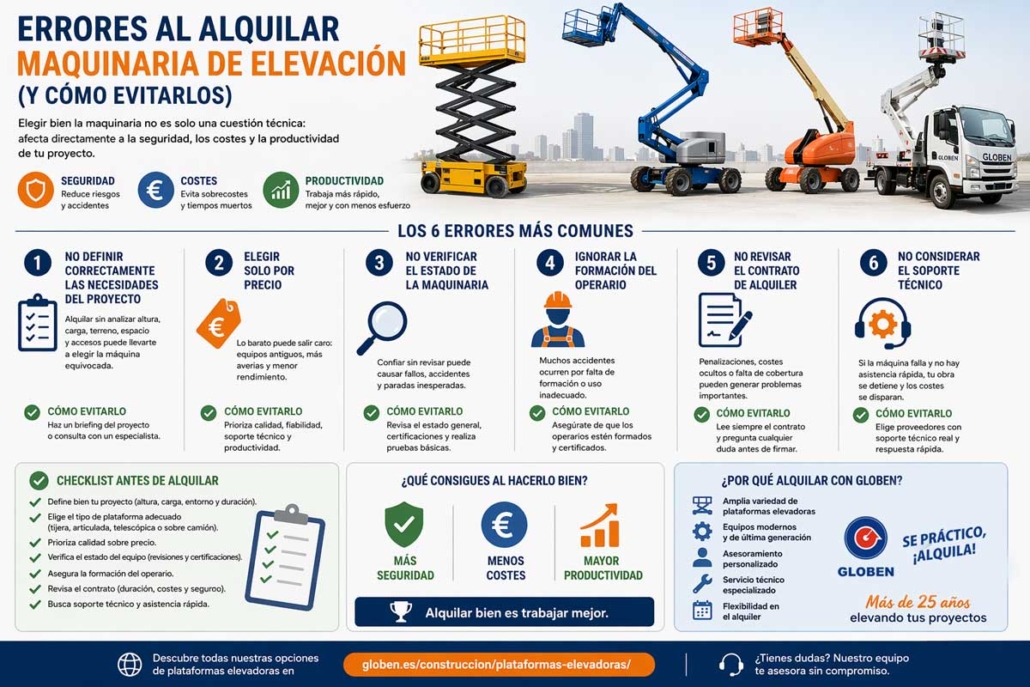
Access to modern equipment without the costs of purchase, maintenance, or storage is a major advantage. However, making the wrong rental decision can lead to delays, additional costs, and even workplace hazards.

At GLOBEN, with over 25 years of experience in the sector, they know that choosing the right machinery is key to the success of any project. That’s why, if you’re thinking about renting, it’s a good idea to be aware of the most common mistakes… and how to avoid them from the start.
Why is it important to choose the right lifting equipment?

Aerial work platforms are equipment designed to work at height safely and efficiently, replacing traditional methods such as scaffolding or ladders.

Choosing correctly is not just a technical matter: it directly affects three critical factors:

Security

Working at heights involves significant risks. A poor choice can lead to accidents, falls, or misuse of equipment.

Costs

Selecting the wrong machine can result in downtime, longer rentals, or even the need to change equipment mid-project.

Productivity

A suitable platform allows you to do the job faster, with greater accuracy and less effort.

That’s why having professional advice and reliable equipment like that offered by GLOBEN makes all the difference from the start.

Mistakes when renting lifting equipment

One of the most frequent mistakes is renting without first analyzing the work to be done.

What should you keep in mind?

  • Required working height
  • Load weight (operators + tools)
  • Type of terrain (interior, exterior, irregular)
  • Available space and access

Working indoors is not the same as working outdoors:

  • Electric scissor lifts are ideal for indoor use
  • Articulated or diesel vehicles perform better on difficult terrain.

At GLOBEN you have multiple options adapted to each case, from scissor lifts to articulated or truck-mounted equipment.

https://globen.es/en/lift-platforms-for-rent/

How to avoid this mistake

Before renting, do a short project briefing or consult with a specialist.

Looking for the lowest price is understandable, but it can end up being expensive.

The problem

A cheap option might involve:

  • Old or inefficient equipment
  • Higher risk of breakdowns
  • Lower performance

Cost vs value

Machinery rental should not be evaluated solely on the daily price, but also on:

  • Equipment reliability
  • Technical support
  • Productivity

How to avoid this mistake

Prioritize suppliers that offer:

  • Modern equipment
  • Good technical service
  • Personalized advice

Another common mistake is trusting the equipment without checking it.

Risks

  • Failures during work
  • Workplace accidents
  • Unexpected stops

In professional companies like GLOBEN, machinery is subject to constant controls and maintenance.

What to check before renting

  • General condition of the machine
  • Certifications and reviews
  • Basic operation

How to avoid this mistake

Work with companies that guarantee maintenance and regular checkups.


Having the right machine is useless if it is not used correctly.

Problem

Many accidents occur due to a lack of training.

Requirements

The use of lifting platforms requires:

  • Specific training
  • Security knowledge
  • Proper handling of the equipment

How to avoid this mistake

Make sure the operators:

  • They are certified
  • They know the team
  • They follow safety protocols

The contract is key… and it is often overlooked.

Important aspects

  • Rental duration
  • Additional costs
  • Insurance included
  • Liability for damages

Common problems

  • Unexpected penalties
  • Hidden costs
  • Lack of coverage

How to avoid this mistake

Always read the contract and ask any questions before signing.


Imagine the machine breaks down in the middle of the project…

Risks

  • Construction stoppages
  • Delays
  • Extra costs

What you should demand

  • Fast assistance
  • Maintenance included
  • Replacement in case of breakdown

How to avoid this mistake

Choose providers with real technical support, not just rentals.


Key tips for renting machinery without mistakes

✔ Clearly define your project
✔ Choose the right platform type
✔ Prioritize quality over price
✔ Verify the equipment’s condition
✔ Ensure operator training
✔ Review the contract
✔ Seek technical support


Why rent lifting equipment with GLOBEN?

If you want to avoid all these mistakes, working with a specialist provider makes all the difference.

GLOBEN offers:

  • Wide variety of lifting platforms
  • State-of-the-art equipment
  • Personalized advice
  • Specialized technical service
  • Rental flexibility

Conclusion: Renting well means working better.

Renting lifting equipment is not just a logistical issue, but a strategic decision.

The most common mistakes—not defining needs, prioritizing price, or ignoring safety—can seriously affect your project.

The key is to plan, get informed, and have a reliable supplier.

If you do it right, you’ll not only save money, but you’ll also gain efficiency, safety, and peace of mind. And that, in any construction project, is what truly makes the difference.


We’re here to help you take your ideas to the next level! Globen, a l company, understands the importance of offering high-quality equipment.
Regulations for working at heights in Spain

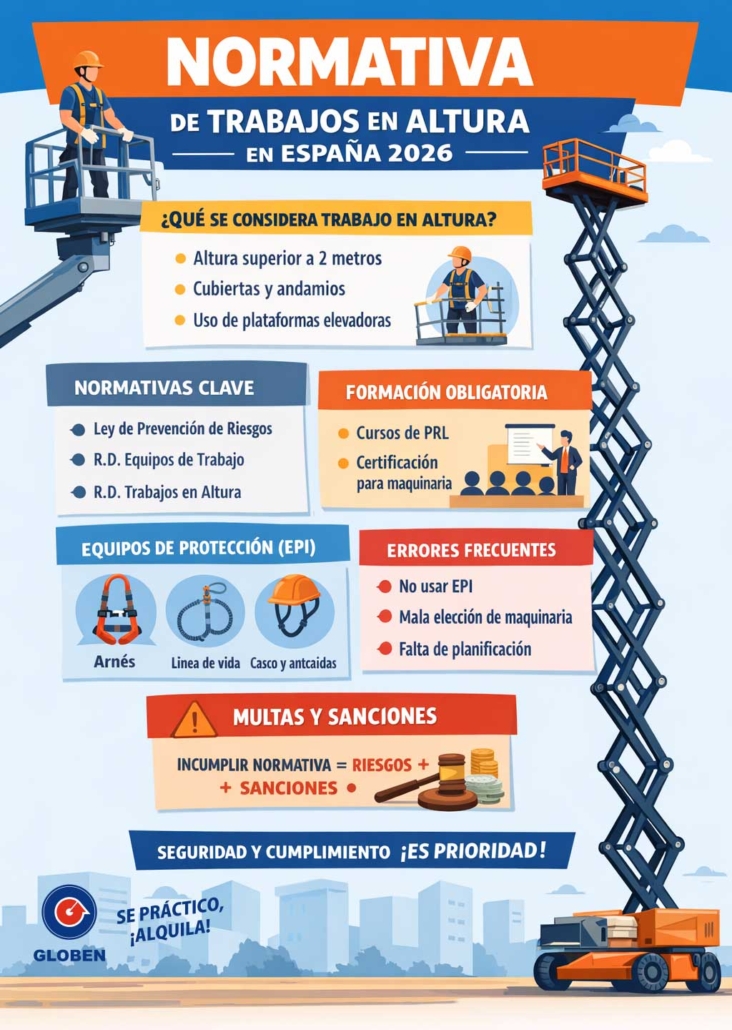
Working at heights is a daily occurrence in sectors such as construction, industrial maintenance, and installations. However, it is also one of the most hazardous occupational activities. Therefore, regulations governing working at heights in Spain are particularly strict and designed to prevent accidents and ensure the safety of workers.

This guide, updated to 2026, clearly explains the legal obligations, training requirements, and safety measures necessary to comply with current regulations.


What is considered working at height according to regulations?

Any activity performed at a height where there is a risk of falling is considered work at height, typically starting from 2 meters. However, regulations are not based solely on height, but also on the risk associated with the task.

Common examples of working at height

  • Roofing or roof work
  • Use of scaffolding or ladders
  • Operation of lifting platforms
  • Electrical installations or industrial maintenance

In all these cases, it is mandatory to apply specific prevention measures.


Main regulations for working at height in Spain

In Spain, work at height is regulated by different laws and regulations that establish the minimum safety conditions.

Occupational Risk Prevention Law

The Occupational Risk Prevention Law establishes the obligation to guarantee the safety of workers through risk assessment and the adoption of preventive measures.

Royal Decree on work equipment

Royal Decree 1215/1997 regulates the safe use of equipment such as lifting platforms, scaffolding or ladders.

Specific regulations on temporary work at height

Royal Decree 2177/2004 complements the previous regulations, establishing specific requirements for work at height, including the use of protective equipment and appropriate training.

For official information, you can directly consult the National Institute for Occupational Safety and Health, where updated technical guides and recommendations are detailed.


Electric scissor lifts, used for indoor work

Company obligations in work at height

Companies have a clear responsibility when work is carried out at height. Failure to comply with regulations can lead to significant penalties and, more seriously, workplace accidents.

Mandatory risk assessment

Before starting any work, it is essential to analyze the associated risks:

  • height
  • environmental conditions
  • type of machinery
  • access to the workplace

Planning and security measures

The company must define how the work will be carried out:

  • choosing the right equipment
  • collective protection systems
  • use of safe machinery

In many cases, opting for the rental of lifting platforms is the safest and most efficient solution compared to traditional methods.

Supervision and control

Furthermore, it is necessary to ensure that:

  • The workers comply with the measures
  • The equipment is in good condition
  • Safety protocols are respected

Mandatory training for working at heights

One of the key points of the regulations is training.

What training does an operator need?

All workers who perform work at height must have specific training in:

  • risk prevention
  • use of protective equipment
  • machinery handling

In the case of lifting platforms, practical training is essential to ensure safe use.

Recommended certifications

Although the law does not establish a single mandatory certificate, it does require that the training be appropriate for the job. Therefore, many companies opt for accredited courses that certify the operator’s qualifications.


Mandatory protective equipment (PPE)

The use of personal protective equipment is mandatory when working at heights.

Main PPE

  • Arnés de seguridad
  • life lines
  • Protective helmets
  • Fall protection systems

These items must be approved and in perfect condition.


Regulations for the use of lifting platforms

The use of lifting platforms is subject to specific requirements within the regulations.

Requirements to operate machinery

  • specific operator training
  • correct use of equipment
  • respect for load capacity

Inspections and maintenance

The machines must be checked periodically to ensure they are working properly.

If you need this type of machinery, you can look into solutions such as renting aerial work platforms in Alicante, where equipment adapted to each type of work is offered.

Good usage practices

  • do not overload the platform
  • work on stable surfaces
  • avoid adverse weather conditions

Regulations for working at heights in Spain

Common mistakes when working at heights (and how to avoid them)

Many accidents are caused by avoidable mistakes. These are some of the most common:

  • choosing the wrong type of machinery
  • not using PPE correctly
  • improvise instead of plan
  • disregard the terrain

Avoiding these errors not only improves safety, but also work efficiency.


Working at heights in Alicante and the Valencian Community

In areas such as Alicante, Elche, or Villena, working at heights is common in:

  • construction
  • mantenimiento industrial
  • facilities

Therefore, it is essential to have suitable equipment and comply with current regulations.

The use of professional machinery such as lifting platforms allows for safer, faster, and more efficient work.


Why complying with regulations avoids risks and penalties

Complying with regulations for working at heights is not just a legal obligation. It’s an investment in safety, productivity, and peace of mind.

Companies that correctly implement these measures:

  • reduce accidents
  • avoid economic sanctions
  • improve work efficiency

Furthermore, they convey a professional and responsible image.


Conclusion

The regulations governing working at height in Spain in 2026 continue to focus on prevention, training, and the use of appropriate equipment. Understanding and applying these regulations is key to ensuring safety on any project.

If you need advice or specialized machinery, having industry professionals on board can make the difference between a safe job and an unnecessary risk.
We’re here to help you take your ideas to the next level! Globen, a l company, understands the importance of offering high-quality equipment.
Alquiler de transpaleta eléctrica

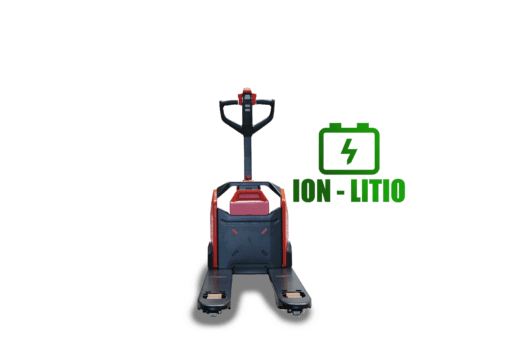
If your business needs to move pallets or heavy goods quickly, safely, and without investing in your own machinery, renting an electric pallet truck is one of the best options. This service allows you to have powerful and ergonomic equipment only when you need it, optimising processes in warehouses, construction sites, logistics, or retail.

At Globen, we offer two outstanding models that adapt to different loads and requirements:
– 1500 kg electric pallet truck (PT E15N) — compact and efficient.

– 2000 kg electric pallet truck (PT E20N) — ideal for heavier loads.
https://globen.es/en/producto/electric-pallet-truck-rental-2000/

Let’s take a detailed look at why renting an electric pallet truck can transform your operations.


What is an electric pallet truck and what is it used for?

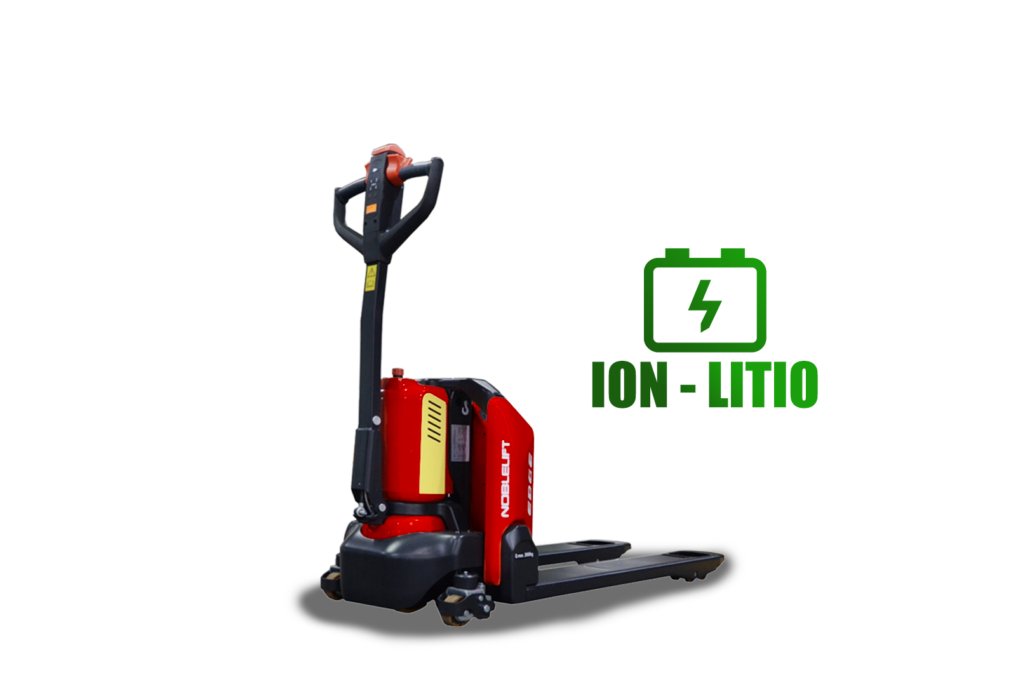
An electric pallet truck is a machine designed to move pallets or heavy items at floor level without physical effort. Unlike manual pallet trucks, movement, braking and lifting are assisted by an electric motor, making it faster, more comfortable, and suitable for intensive work.


Differences between manual and electric pallet trucks

FEATUREMANUAL PALLET TRUCKELECTRIC PALLET TRUCK
Physical force requiredHighVery low
Work speedSlowFast
Suitable for heavy loadsLimitedYes
Continuous useDifficultEasy

Electric pallet trucks reduce physical effort and speed up goods handling, resulting in higher productivity and less strain on your team.


Types of electric pallet trucks available

At Globen, we offer two options designed for different scenarios:


Advantages of renting an electric pallet truck

1. Savings compared to purchasing

Buying machinery represents a major expense and creates an asset that may end up underused. With rental, you only pay for the time you actually need the equipment, turning the investment into a more flexible operating cost.

Additionally, you don’t have to worry about maintenance, inspections, or storage when the machine is not in use — the provider takes care of everything.


2. Greater safety and ergonomics

Electric pallet trucks are designed to protect the operator:

  • Intuitive and ergonomic controls.
  • Automatic or assisted braking.
  • Reduced repetitive physical effort.

This lowers the risk of injuries and improves daily work routines.


3. Reduced effort and increased productivity

Thanks to their electric motor, these pallet trucks allow:

  • Effortless load handling.
  • Faster travel speeds.
  • Continuous work with less fatigue.

In which sectors is electric pallet truck rental most useful?

This type of equipment is highly versatile and adapts to many industries.

Logistics and warehouses

Moving pallets inside a warehouse, preparing orders or loading and unloading trucks becomes much more efficient with electric equipment.

Construction sites

Even though many construction sites use heavier machinery, having a fast electric pallet truck significantly improves material movement times.

Retail and supermarkets

In large stores or shopping centres, electric pallet trucks help move stock quickly without disturbing customers.

Events and temporary installations

If you organise fairs, expos, or major events, these machines make setting up and dismantling structures easier.


How to choose the right electric pallet truck

Choosing wisely saves time and money. Here’s a practical guide:

Load capacity

Battery type and autonomy

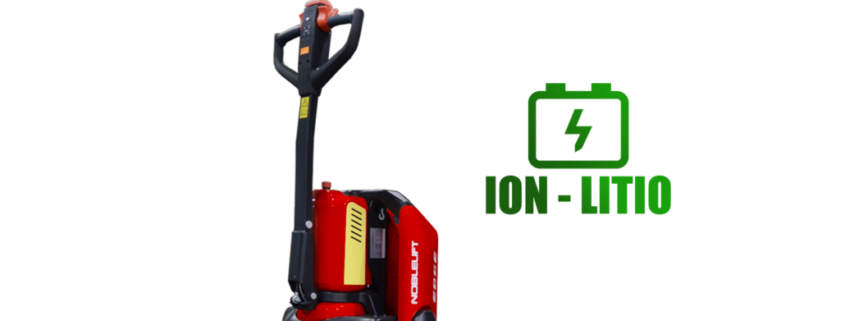
Modern electric pallet trucks typically use lithium or lead-acid batteries. Lithium models charge faster and last longer — essential if you need to work full shifts.

Manoeuvrability and available space

If you work in narrow aisles, the compact size and agile turning of the PT E15N can be a clear advantage.


Frequently asked questions about electric pallet truck rental

Can I rent by the day, week, or month?
Yes, most providers — including Globen — offer flexible rental periods based on your project needs.

Is maintenance included in the rental?
Generally yes: inspections, servicing and technical support are usually included.

What is the real difference between 1500 kg and 2000 kg models?
More capacity means you can handle heavier loads without stressing the machine or extending work times.


Comparison of the models available at Globen

Here’s a summary of the two options you can rent:

1500 kg Electric Pallet Truck (PT E15N)

  • Load capacity: 1500 kg.
  • Ideal for frequent medium-load tasks.
  • More compact size.

Perfect for warehouses with standard pallet movement or light indoor logistics.


2000 kg Electric Pallet Truck (PT E20N)

  • Load capacity: 2000 kg.
  • More robust and prepared for heavier or continuous tasks.

Recommended if you regularly handle bulky or heavy goods.


Conclusion: why rental is the smartest option

Renting an electric pallet truck with Globen allows you to:

  • Access professional machinery without a major investment.
  • Optimise your loading and unloading operations.
  • Improve your team’s safety and ergonomics.
  • Choose between 1500 kg and 2000 kg models depending on your needs.

Instead of purchasing a machine that you may only use during peak activity, rental gives you flexibility, savings, and efficient performance without complications.

We are here to help you take your operations to the next level! Globen, a leading company in the rental of lifting platforms, understands the importance of providing high-quality equipment.

ARTICULADA-DIESEL-26M-

When a project requires working at height, safety and efficiency become top priorities. Having the right lifting equipment makes all the difference between a quick and safe job and one fraught with complications. That’s why more and more companies are choosing to rent lifting equipment instead of buying it: it’s flexible, economical, and provides access to the most advanced machines on the market.

This article delves into everything related to renting lifting equipment, from the types of platforms available to the key criteria for choosing the right equipment based on the terrain, height, and type of work.


Lifting equipment includes all machines designed to lift people, tools, and materials to different height levels. They are essential in projects where direct access is impossible or unsafe.

Professional work that requires lifting equipment

This type of equipment is used in a wide range of sectors:

  • Installation and maintenance of electrical systems or lighting.
  • Structure assembly and construction work.
  • Facade and window cleaning.
  • Tree pruning and urban maintenance.
  • Installation of signs and advertising elements.
  • Industrial work inside warehouses and production facilities.

What they all have in common is the need to work at height with total stability and safety. This is where professional platforms and lifts come into play.


Each job has very specific needs: height, reach, surface type, manoeuvrability… That’s why choosing the right platform is essential. These are the most common options when renting lifting equipment.

Articulated boom lifts

Articulated boom lifts stand out for their multi-segment arm, which allows operators to overcome obstacles and reach complex areas. They are perfect for jobs where going straight up isn’t enough, such as maintenance on façades, structures, or spaces with obstructions.

Main advantages:

  • Great mobility at height.
  • Allow work above or behind obstacles.
  • Ideal for outdoor environments.
Plataforma telescópica Modelo SCANLIFT SL240 Altura de trabajo de 24m

Telescopic boom lifts

Telescopic boom lifts are defined by their straight arm, which provides greater horizontal reach than articulated models. When a job requires reaching far and high at the same time, they are the safest and most efficient choice.

Where they are used:

  • Industrial assembly work.
  • Construction projects that require long-distance reach.
  • High-altitude tasks in open outdoor spaces.
alquiler de cesta elevadora

Truck-mounted platforms

These platforms are a fast and versatile solution. Their main advantage is mobility: they can travel on public roads without the need for additional transport. This makes them ideal for urban work, quick installations, and projects that require moving between several locations in the same day.

Common uses:

  • Sign installation.
  • Public lighting maintenance.
  • Occasional work on streets or roads.

Personnel lifts and scissor lifts

Scissor lifts provide fully vertical elevation with a wide, stable base, making them perfect for indoor work. Personnel lifts, on the other hand, are compact and easy to manoeuvre in corridors, warehouses, or tight spaces.

Where they excel:

  • Industrial warehouses.
  • Ceiling system installation.
  • Indoor assembly and maintenance work.

Renting has gone from being an occasional option to becoming the preferred solution for many companies and self-employed professionals. The reason is simple: it offers flexibility, reduces costs, and removes worries.

Economic savings and maintenance

Buying lifting equipment requires a large investment, plus mandatory expenses for inspections, repairs, insurance, and storage. With rental, all of that disappears:

  • No upfront investment.
  • No maintenance costs.
  • You only pay for the actual time of use.

For occasional projects or jobs that require specific models, renting is the most cost-effective option.

Access to modern and fully inspected equipment

Renting from a specialised company guarantees updated, inspected machines in perfect safety condition. This is especially valuable when working at height, where regular certified inspections are mandatory.

It also provides access to modern models with better performance, fewer breakdowns, and higher safety standards.

Greater flexibility for every project

Every job requires a different machine. There’s no reason to depend on the same equipment when you can choose exactly what each project needs. Renting offers complete freedom:

  • Different working heights depending on the project.
  • Compact indoor equipment or off-road models for outdoor work.
  • Solutions for uneven terrain or difficult access.

Selecting the right platform not only affects efficiency, it is also essential for the safety of the work team.

Working height and reach

The first thing to define is the actual height required for the task. Platforms are chosen based on:

  • Working height (the maximum height the operator can reach).
  • Platform height (the height from which the operator works inside the basket).
  • Horizontal reach (necessary when obstacles are present).

Choosing the wrong height can force a change of equipment halfway through the project, resulting in wasted time and money.

Surface type and terrain needs

The type of terrain determines the type of machine:

  • Indoors: electric models, compact and emission-free.
  • Outdoors: diesel equipment, robust and prepared for uneven ground.
  • Difficult terrain: 4×4 platforms with off-road capability.

It’s also important to consider the available space for manoeuvring and the load capacity.

Safety and certifications

A responsible company must provide inspected and certified machines. To choose correctly, it’s important to check:

  • Up-to-date maintenance certificates.
  • Integrated safety systems.
  • Equipment stability at the required height.

Having proper training or specialised advice is also essential.


Working at height requires strict attention to safety. Even though platforms are designed to offer stability, the human factor is key to safe operation.

Pre-use equipment inspection

Before starting, it’s important to check:

  • Oil, fuel, or battery levels.
  • Proper functioning of controls, brakes, and hydraulic systems.
  • Condition of wheels and stabilisers.
  • Absence of cracks or structural wear.

These checks help prevent problems during operation.

Proper use of harnesses and PPE

A harness is mandatory on most platforms. In addition, there are other essentials that should never be missing:

  • Helmet.
  • Safety footwear.
  • Reflective vest for urban work.

Essential regulations to follow

Working with platforms is regulated and requires proper training. It’s important to:

  • Have a certified operator.
  • Follow the manufacturer’s instructions.
  • Not exceed the load capacity.
  • Avoid sudden or abrupt movements.

The difference between a smooth job and one full of setbacks often depends on the type of company providing the equipment.

Professional advice

A specialised company doesn’t just rent machines: it helps you choose the most suitable one for each task. That means avoiding mistakes, saving time, and working with greater safety.

Fast delivery and technical support

Another key factor is having:

  • On-site delivery without delays.
  • Immediate technical assistance in case of any malfunction.
  • Quick equipment replacement if necessary.

A project at height cannot come to a halt. That’s why working with experienced professionals makes all the difference.

Globen, a leading company in lifting platform rentals, understands the importance of providing high-quality, reliable equipment to help you take your projects to the next level.

feria de tots sants cocentaina

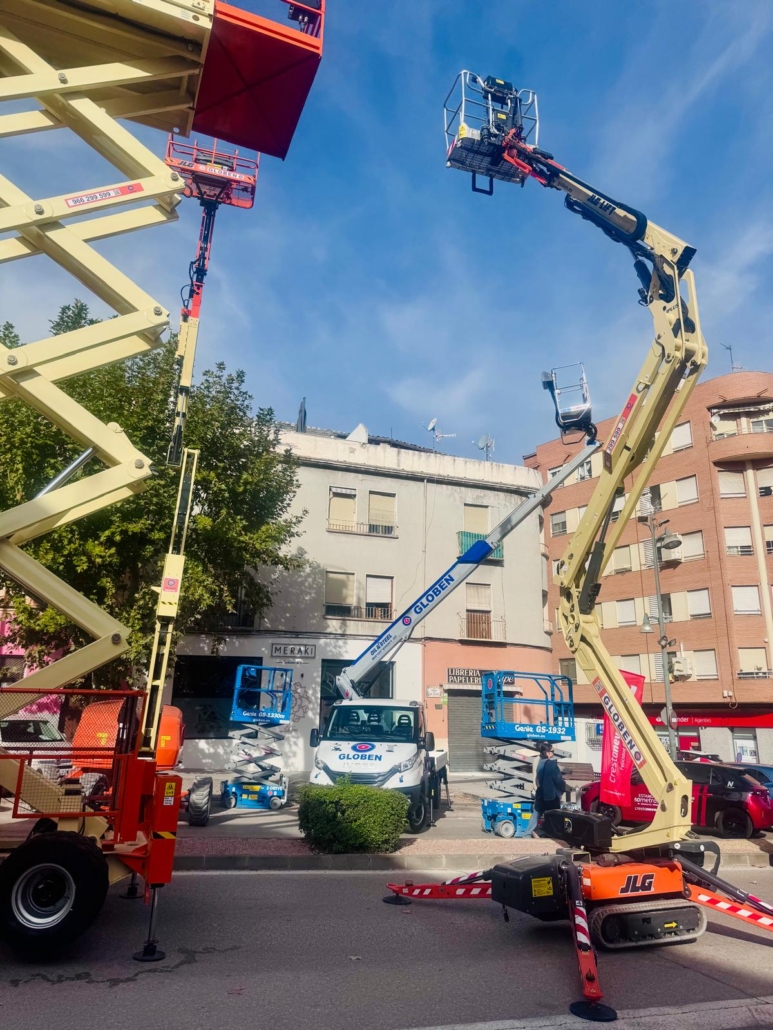
Last week, the Fira de Tots Sants in Cocentaina once again brought together thousands of visitors and professionals from the industrial and agricultural sectors for a new edition that stood out for the quality of its exhibitors and its wide range of technological offerings. Globen participated in this event with a selection of its most powerful, versatile, and safe machines, reinforcing its commitment to innovation and efficiency in working at height.

A well-established event on the Valencian industrial calendar

Recognized as one of the oldest and most important multi-sector trade fairs in the Valencian Community, the Fira de Cocentaina is an exceptional showcase for companies committed to modernizing their equipment and services. Globen, specializing in the rental of lifting equipment, took the opportunity to demonstrate the features of several key models from its catalog to attendees.

During the trade fair, the company’s technical team offered personalized advice and explained in detail the features of each machine, demonstrating how the combination of power, stability and versatility can make all the difference in the most demanding projects.

La maquinaria expuesta por Globen

Among the machines Globen presented at the trade fair was a 14-meter all-terrain diesel scissor lift with stabilizers, designed for outdoor work where safety and stability are essential. Also noteworthy was the electric articulated boom lift with multi-surface white wheels, ideal for indoor spaces or areas requiring quiet, emission-free operation.

Alongside this equipment, Globen showcased two compact electric scissor lifts, ideally suited for working in confined spaces without compromising power or reliability. Visitors also had the opportunity to see the Oil Steel 18-meter telescopic boom truck, widely used in urban maintenance, and the JLC 15-meter tracked excavator with automatic stabilization, perfect for uneven or sloping terrain.

Globen’s presence at the Cocentaina Fair reaffirms the company’s position as a leader in the lifting equipment sector. All the models presented reflect their ongoing commitment to offering modern, efficient, and safe equipment, capable of adapting to the needs of different types of work and environments.

A close-up experience with Globen technology

Visitors to the Globen booth were able to see the machines in action firsthand, learn about their technical advantages, and discover the solutions the company offers for both rent and sale. The experience provided an opportunity to introduce Globen’s technology to professionals, businesses, and individuals interested in high-performance equipment.

With its participation in the Fira de Tots Sants de Cocentaina 2025, Globen reaffirms its commitment to innovation, quality and personalized attention, values ​​that continue to guide its trajectory in the lifting machinery sector.

At Globen, every consultation is done with this information on the table. Because renting a lifting platform is easy, but choosing the right one for the terrain and working conditions is a strategic decision.

We are here to help you take your ideas to the next level! Globen, a leading aerial lift rental company, understands the importance of providing high quality equipment.

alquiler plataforma elevadora 12m

Performing work at height requires practical, safe solutions tailored to each environment. In this sense, renting a 12-meter aerial platform is a smart decision for companies and professionals who need to reach roofs, facades, or structures at that height comfortably and reliably.

At Globen, we offer you modern, easy-to-use aerial platforms with full safety guarantees, designed to meet your needs in construction, urban maintenance, electrical installations, renovations, gardening, or events.

Throughout this article, we’ll discuss why renting is the most advantageous option, what types of 12-meter platforms exist, their main applications, the approximate cost of this service, and some practical tips to get the most out of your equipment.


Why rent a 12-meter aerial platform?

Renting a 12m aerial work platform means having the right equipment without a large initial investment. Purchasing a machine with these characteristics can be very expensive and, in many cases, not justified if it is used occasionally or for short-term projects.

Advantages over purchasing

Money savings: it doesn’t require an investment of tens of thousands of euros.

Maintenance included: Machines rented from Globen undergo periodic technical inspections.

Immediate access: The platform can be used whenever you need it, whether it’s a day or several months.

Flexibility: It adapts to the type of work or project without committing long-term resources.

Safety when working at height

One of the main reasons to choose a 12m aerial work platform is safety. These machines comply with occupational safety regulations and are equipped with stabilization systems, guardrails, and emergency controls.

At Globen, we also guarantee that each piece of equipment is certified and in perfect working order, reducing risks for operators.

Flexibility and Cost Savings

Every project is different. Renting allows you to choose the platform that best suits the terrain and the specific task. Whether it’s an interior project with smooth floors or an exterior project on uneven terrain, you’ll always have the right model without having to multiply the investment.


Types of 12m aerial work platforms available

There are several types of platforms on the market that reach heights of up to 12 meters. Each offers specific advantages depending on the environment and the type of work being performed.

12m Scissor Lift

Perfect for vertical work requiring a large work surface.

Supports greater weight, ideal for two operators with tools.

Works very well inside warehouses, for renovations, or for installing false ceilings.

There are electric (for indoors) and diesel (for outdoors) models.

12m Articulated Platform

Offers versatility and lateral reach, allowing it to overcome obstacles such as pipes, roofs, or trees.

Recommended for outdoor work, such as façade maintenance or pruning at height.

Its articulated system allows it to reach hard-to-reach places.

Both models are available in the Globen catalog, always guaranteeing a modern fleet that complies with current regulations.


Main uses of a 12m lifting platform

Renting a 12-meter aerial platform isn’t limited to just one sector. Its versatility makes it a key machine in various professional fields.

Construction and renovations

In construction and renovations, these platforms are essential for:

Roofing and covering work.

  • Installing metal panels and structures.
  • Facade painting and finishing.
  • Mounting large signs and banners.

Electrical and industrial installations.

  • Installing overhead lighting and wiring.
  • Maintenance of ventilation and air conditioning systems.
  • Inspecting industrial machinery in warehouses.

Urban maintenance and pruning.

  • Tree pruning in parks and gardens.
  • Repairing streetlights and street lighting.
  • Cleaning building facades.

In all these cases, renting a 12-meter aerial platform guarantees speed, safety, and efficiency.

Rental price for a 12m lifting platform

One of the aspects that most interests companies and professionals is the cost of the service.

Factors influencing cost

  • Platform type: scissor lift or articulated lift.
  • Rental duration: One day is not the same as a full month.
  • Transportation and delivery: If transportation to the construction site is required.
  • Additional accessories or insurance.

Rates per day, week and month

Although the exact price may vary depending on the model, it is common to find:

  • Daily rental: ideal for one-off jobs.
  • Weekly rental: perfect for short-term projects.
  • Monthly rental: more cost-effective option for long-term projects.

At Globen, we work with competitive and transparent rates, tailored to actual usage time and with no hidden costs.


Tips before renting a 12m platform

To ensure a fully satisfactory experience, it is important to take into account some practical aspects:

  1. Evaluate the terrain: working on firm ground is not the same as working on an uneven surface.
  2. Choose the right type: scissor lift for vertical work, articulated for overcoming obstacles.
  3. Request technical advice: at Globen, we can help you select the most suitable machine.
  4. Review labor regulations: make sure operators are trained in operating aerial work platforms.
  5. Plan logistics: determine where the platform will be located and how to access the worksite.

12m aerial platform rental: your best ally at height

Renting a 12m aerial work platform is the most practical, safe, and cost-effective solution for working at height. Compared to purchasing a platform, it offers flexibility, savings, and access to modern, regularly serviced machinery.

At Globen, we have a large fleet of 12m aerial work platforms, both scissor and articulated, ready to adapt to any project. Our commitment is to provide companies and professionals with access to the best machinery, always with expert advice and competitive prices.

If you’re looking for efficiency, safety, and immediate availability, trust Globen and optimize your work at height with the perfect solution: renting a 12m aerial work platform.

We’re here to help you take your ideas to the next level! Globen, a leading aerial work platform rental company, understands the importance of offering high-quality equipment.
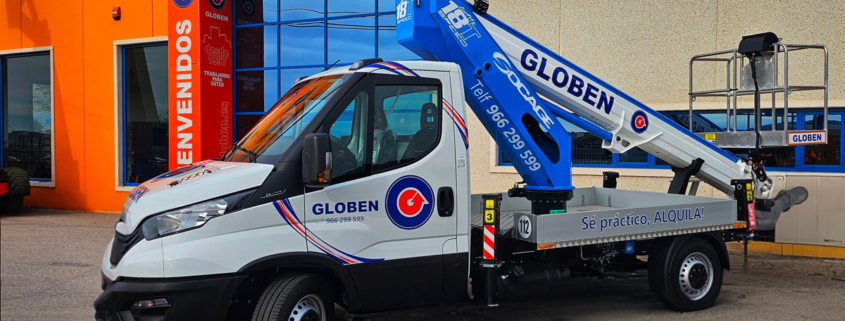
alquiler de cesta elevadora


When it comes to working at heights, truck-mounted platform rental is one of the safest, most versatile and efficient options. This type of machinery allows access to elevated areas easily and quickly, reducing assembly times and improving safety in each intervention. At Globen, we know that choosing the right equipment makes the difference in any project, so we tell you everything you need to know to rent a truck-mounted platform with all the guarantees.


A truck-mounted platform is a type of lifting machinery mounted on a vehicle, usually a light or heavy truck. It is used to safely lift people and tools to great heights. It is also known as a “basket truck”, “mobile elevating work platform” (MEWP) or “truck-mounted articulated aerial platform”.


Unlike other lifting platforms such as scissor or telescopic lifts, truck-mounted platforms stand out for their mobility, as they can be easily moved on the road and access different points without the need to be transported on a trailer or crane. This makes them the ideal solution for punctual works, urgent interventions or projects that require frequent displacements.

<br><br>lift basket rental


Truck-mounted platform rental offers multiple benefits over other alternatives:

1. Total mobility

Being integrated into a truck, the platform can be moved freely between different working points without the need for additional transport. This reduces logistics costs and waiting times.

2. Savings in assembly

It does not need to be assembled or disassembled. It is enough to park the vehicle, stabilize it with its supports and start working.

3. Access to urban and rural areas

They are ideal both for urban environments, thanks to their compact size and agility, and for rural or difficult to access areas, where other fixed platforms would not reach.

4. Security and stability

The models available from Globen are designed with advanced safety systems, hydraulic stabilizers and structures that allow firm lifting even on uneven terrain.

5. Versatility of use

The same platform can be used in different tasks and sectors, maximizing its profitability and usefulness in each project.

truck-mounted platform rental

Truck-mounted platform rental is very common in sectors where access to height is required without logistical complications. Some examples:

Construction and renovation

For new construction sites, facade rehabilitation or roof renovations, these platforms allow you to work at great heights in comfort and safety.

Electrical and telecommunications installations

Installers and technicians use basket trucks to mount or check wiring, street lights, light poles, antennas or fiber optic networks.

Urban maintenance and cleaning

They are essential for municipal work such as tree pruning, cleaning gutters, checking roofs, putting up banners or repairing street lighting.

Events and assembly of structures

In the events sector, they are very useful for setting up stages, temporary structures or decorative elements at height, quickly and safely.

When it comes to renting a truck-mounted platform lift, there are several key aspects to consider in order to choose the most suitable model:

Working height and reach

Each platform has a specific maximum height and horizontal reach. Evaluate the characteristics of the place where you are going to work and the type of task to select the most efficient option. At Globen we have models that reach from 18 to more than 30 meters.


Type of terrain and access

It is essential to take into account whether you are going to work on roads, rural roads or unstable soils. For each case there are specific models with greater stabilization or traction capacity.

Duration of work

For short-term work, a daily rental may be sufficient. On the other hand, if the project requires weeks or even months, it is advisable to opt for a long-term contract, which is usually more economical.

Globen offers flexible rates and personalized advice to help you choose the model that best suits your needs.
.

Renting a truck-mounted platform means taking on certain responsibilities. Here are some practical tips to make the experience safe and efficient:

Review of equipment condition

Before starting work, check that the platform is in perfect condition: controls, hydraulic systems, stabilizers, brakes and visual signals. At Globen we perform exhaustive maintenance checks to ensure that each machine is delivered in optimal condition.

Certified operators

The use of lifting platforms requires specific training. Make sure that the person operating the equipment is duly accredited according to current regulations. If you do not have an operator, Globen also offers rental service with driver.

Regulatory compliance

Remember that working at heights is regulated by specific occupational risk prevention regulations. Always use personal protective equipment (harness, helmet, appropriate footwear) and follow the safety procedures for each operation.

At Globen we are specialists in the rental of lifting platforms, including truck-mounted models of different capacities and heights. We have a modern fleet, checked and ready to operate anywhere in the province.

Why choose us?

  • Professional advice. We help you choose the best option according to the type of work.
  • Fast delivery. We have our own transport so that you receive the platform where you need it, without delays.
  • Training and safety. We explain the operation of the machine and offer training if needed.
  • Maintenance included. We take care of the condition of the equipment, you just take care of the work

In addition, you can rent with or without operator, and for days, weeks or months, depending on your need

Do I need a special permit to drive the flatbed truck?
Not necessarily, as long as the weight of the vehicle does not exceed the limit of the B license and it is approved for circulation. If you rent with an operator, you will not have to worry about it.

Is it possible to work in rain or wind?
For safety reasons, it is not recommended to use lifting platforms in adverse weather conditions such as strong wind or storms. Always consult the technical data sheet of the model to know the limits of use.

What maintenance is included in the rent?
At Globen we take care of preventive and corrective maintenance. If any incident arises, we come quickly to solve it or change the equipment if necessary.

What is the difference between a truck-mounted platform and a self-propelled platform?
Truck-mounted platforms are best suited for long travel and multi-location work. Self-propelled platforms are ideal for indoor or confined space work.

Can I rent a platform with driver?
Yes, we offer the option of rental with a qualified operator, which is ideal for one-off jobs or when trained personnel are not available.


Truck-mounted platform rental

Truck-mounted platform rental can make the difference between an efficient job and a complicated one. Whether it is for a construction site, a technical installation or an event, at Globen we offer you the safest and most profitable solution. Contact us and ask for your free quote.

We are here to help you take your ideas to the next level! Globen, a leading aerial lift rental company, understands the importance of providing high quality equipment.
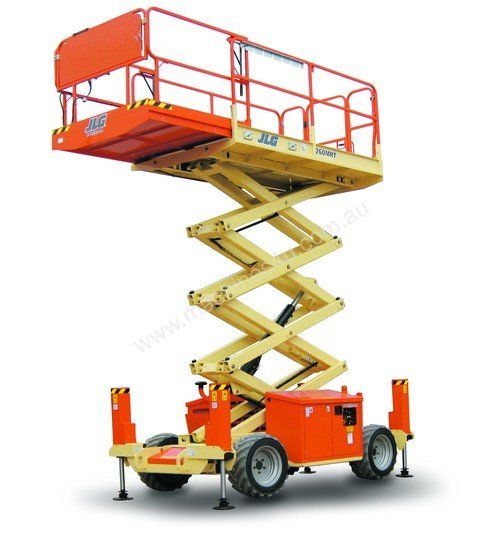
ARTICULADA-DIESEL-26M-

When working at heights, choosing the right equipment goes far beyond working height or horizontal reach. One of the most decisive, and often overlooked, factors is the maximum gradeability. This defines the ability of a forklift to travel or work on inclined surfaces, a very common condition on construction sites, industrial environments or outdoor maintenance tasks.

At Globen, a company specialized in the rental of lifting platforms, this factor is taken into account in every recommendation, because it guarantees not only efficiency, but also operational safety.

The maximum gradeability refers to the maximum slope that a machine can safely ascend or descend without compromising its stability or the operator’s safety. It is usually expressed in degrees (°) or in percentage (%), and each model has its own limit, defined by the manufacturer after rigorous testing.

Degrees vs. percentage of inclination

Both units measure the same thing, but from different perspectives:

  • A 100% slope is equivalent to 45 degrees.
  • A 30% slope is equivalent to about 16.7 degrees.

In elevating machinery, the percentage is usually used, as it better reflects the relationship between the slope and the distance traveled.

For example:

  • A platform with a maximum surmountable slope of 30% can rise 30 cm for each meter of advance.

Why is this so important to know?

On level ground, any lifting equipment works stably. But in uneven environments, such as construction site access, sloping roads or uneven ground, it is essential to know how far each machine can reach without endangering the operator, the equipment or the environment.

Risks of operating on slopes above the limit

When the permissible inclination limit is exceeded, the risks skyrocket:

  • Overturning of the machine, especially if the load is elevated.
  • Slipping or loss of traction, especially on wet or unstable surfaces.
  • Automatic deactivation of functions, as many units are equipped with tilt sensors that prevent dangerous maneuvers.

Real cases of accidents due to excessive inclination

Technical studies have shown that one of the main causes of accidents with elevating platforms is improper use on slopes, either due to lack of knowledge, overconfidence or lack of planning. The consequence is usually a serious accident that affects the integrity of the operator, damages the machine and stops the project.

Maximum slope that can be overcome in work at height

Each type of equipment is designed for a specific environment, and its ability to cope with slopes varies significantly.

Tracked lifting platforms

These machines are specifically designed to work in difficult soils. Thanks to their track system, they have greater traction and excellent weight distribution.

  • Gradeability: between 30% and 45% (even more in specific models).
  • Ideal for: work in gardens, unstable terrain, steep slopes or areas with difficult access.
OIL&amp;STEEL 1465 YANMAR crawler tracked platform
OIL&STEEL 1465 YANMAR crawler tracked platform

Articulated and telescopic arms

They are used in many urban, industrial and construction site environments. Although not designed for extremely uneven ground, some models are equipped with oscillating axles and four-wheel drive for improved performance.

  • Gradient that can be overcome: between 25% and 40% depending on the model.
  • Recommended for: construction sites, facade maintenance, structure assembly.
telescopic handler rental

Forklift trucks 4×4

Although they are not lifting platforms, they are often used in combination with them to transport loads on uneven terrain. Their all-wheel drive allows them to climb steep ramps, especially on dirt or gravel terrain.

  • Gradient that can be overcome: between 30% and 50%.
  • Usual use: movement of materials on construction sites or industrial facilities.

Before moving a machine or starting work, it is essential to measure the slope of the terrain. It is not enough to estimate it “by eye”.

Measuring tools and devices

  • Digital inclinometers: give accurate readings in degrees or percentages.
  • Mobile applications: there are free apps that use the cell phone’s gyroscope to measure inclination.
  • Laser levels with slope function: widely used in construction.

In addition, many modern machines incorporate internal sensors that detect the inclination of the chassis or boom, and even block operation if the safe threshold is exceeded.

Interpretation of the technical manual of each machine

Each platform has a manufacturer’s manual detailing the maximum slope that can be overcome in both travel and elevation. These values are not interchangeable. Some platforms can travel on slopes of up to 40%, but cannot be lifted if the terrain is steeper than 5%.

It is always necessary to verify:

  • Maximum slope of displacement
  • Maximum slope for work at height
  • Need for additional shims or stabilizers

Knowing the data is not enough. Applying preventive measures is key to maintaining security.

Pre-stabilization and shimming

Before operating on a slope, you must:

  • Secure the soil (compaction if it is loose soil).
  • Chock wheels if stopped on a slope.
  • Use stabilizers according to the manufacturer’s instructions

Choosing the right machine

It is common to make the mistake of using an urban machine for work in rural or uneven terrain. Not all platforms are suitable for slopes. If access is difficult, it is best to opt for tracked or all-wheel drive models with automatic leveling systems.

Globen, for example, advises the client according to the terrain, and offers alternatives such as:

  • Tracked platforms with independent traction
  • 4×4 platforms with oscillating axle
  • Equipment with telescopic arm to bridge slopes from a more stable location

Staff training

A lifting platform is not a conventional vehicle. It requires specific training, both in driving and occupational safety. The operator must know:

  • How to interpret the terrain
  • How to act if the machine loses stability
  • What to do if you stop on a slope

Training reduces accidents and improves the efficient use of equipment.

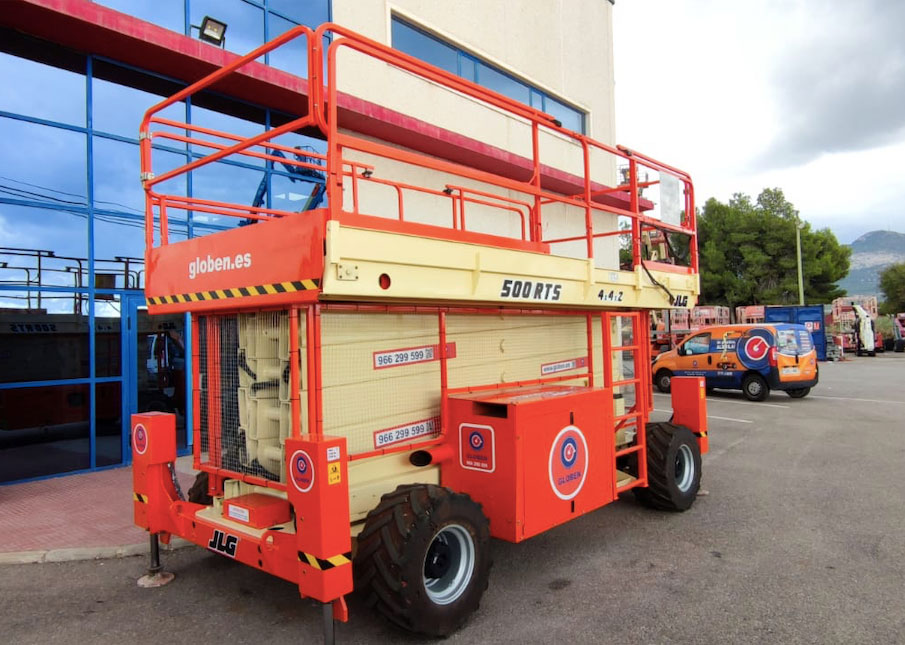
JLG-500RTS-2

When working at height, the slope of the terrain can make the difference between a safe job and a preventable accident. Knowing the maximum gradeability of each machine not only improves the performance of the equipment, but also guarantees the integrity of the operator and the continuity of the project.
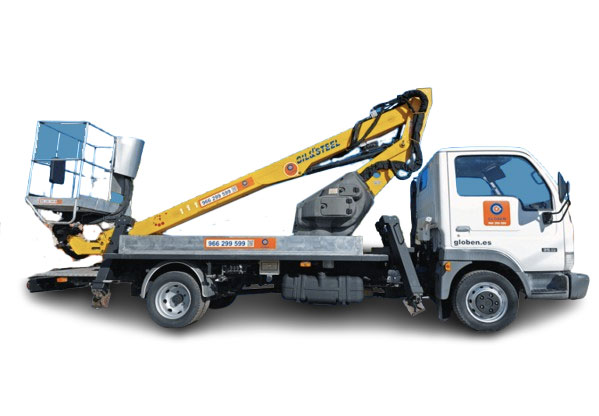
At Globen, every consultation is done with this information on the table. Because renting a lifting platform is easy, but choosing the right one for the terrain and working conditions is a strategic decision.

We are here to help you take your ideas to the next level! Globen, a leading aerial lift rental company, understands the importance of providing high quality equipment.