Rental of lifting equipment for working at height

When a project requires working at height, safety and efficiency become top priorities. Having the right lifting equipment makes all the difference between a quick and safe job and one fraught with complications. That’s why more and more companies are choosing to rent lifting equipment instead of buying it: it’s flexible, economical, and provides access to the most advanced machines on the market.
This article delves into everything related to renting lifting equipment, from the types of platforms available to the key criteria for choosing the right equipment based on the terrain, height, and type of work.
What is lifting equipment and what is it used for?
Lifting equipment includes all machines designed to lift people, tools, and materials to different height levels. They are essential in projects where direct access is impossible or unsafe.
Professional work that requires lifting equipment
This type of equipment is used in a wide range of sectors:
- Installation and maintenance of electrical systems or lighting.
- Structure assembly and construction work.
- Facade and window cleaning.
- Tree pruning and urban maintenance.
- Installation of signs and advertising elements.
- Industrial work inside warehouses and production facilities.
What they all have in common is the need to work at height with total stability and safety. This is where professional platforms and lifts come into play.
Types of lifting equipment available for rent
Each job has very specific needs: height, reach, surface type, manoeuvrability… That’s why choosing the right platform is essential. These are the most common options when renting lifting equipment.


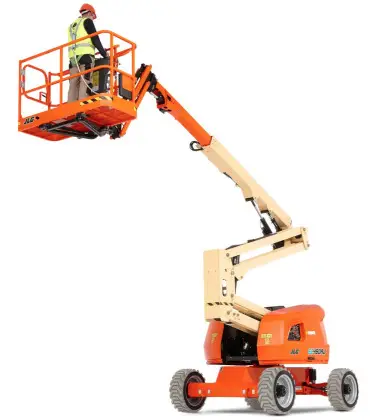
Articulated boom lifts
Articulated boom lifts stand out for their multi-segment arm, which allows operators to overcome obstacles and reach complex areas. They are perfect for jobs where going straight up isn’t enough, such as maintenance on façades, structures, or spaces with obstructions.
Main advantages:
- Great mobility at height.
- Allow work above or behind obstacles.
- Ideal for outdoor environments.

Telescopic boom lifts
Telescopic boom lifts are defined by their straight arm, which provides greater horizontal reach than articulated models. When a job requires reaching far and high at the same time, they are the safest and most efficient choice.
Where they are used:
- Industrial assembly work.
- Construction projects that require long-distance reach.
- High-altitude tasks in open outdoor spaces.
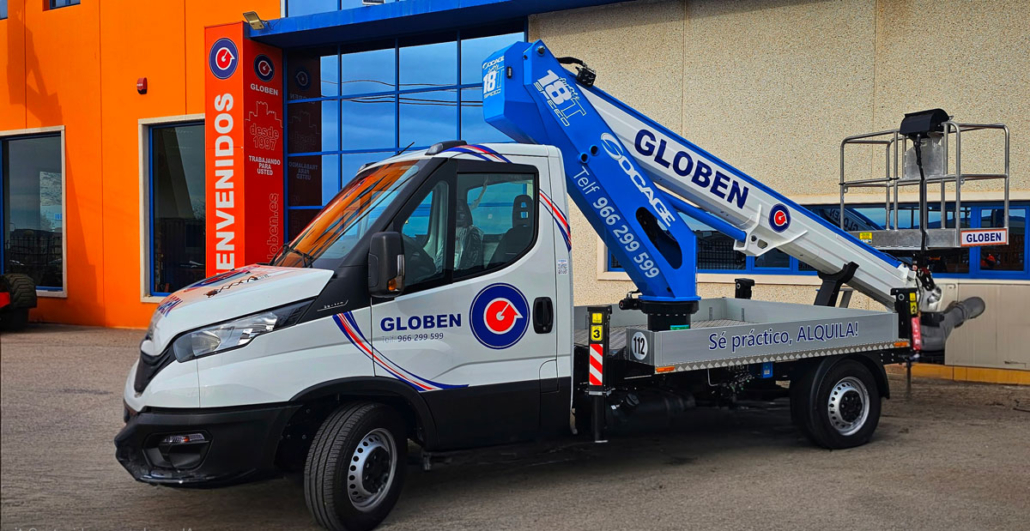
Truck-mounted platforms
These platforms are a fast and versatile solution. Their main advantage is mobility: they can travel on public roads without the need for additional transport. This makes them ideal for urban work, quick installations, and projects that require moving between several locations in the same day.
Common uses:
- Sign installation.
- Public lighting maintenance.
- Occasional work on streets or roads.
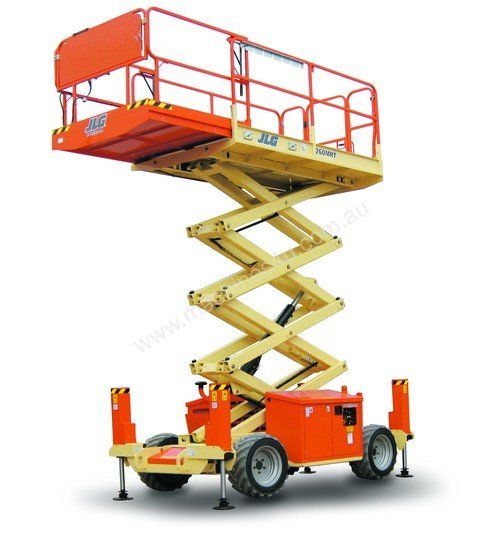

Personnel lifts and scissor lifts
Scissor lifts provide fully vertical elevation with a wide, stable base, making them perfect for indoor work. Personnel lifts, on the other hand, are compact and easy to manoeuvre in corridors, warehouses, or tight spaces.
Where they excel:
- Industrial warehouses.
- Ceiling system installation.
- Indoor assembly and maintenance work.
Advantages of renting lifting equipment instead of buying
Renting has gone from being an occasional option to becoming the preferred solution for many companies and self-employed professionals. The reason is simple: it offers flexibility, reduces costs, and removes worries.
Economic savings and maintenance
Buying lifting equipment requires a large investment, plus mandatory expenses for inspections, repairs, insurance, and storage. With rental, all of that disappears:
- No upfront investment.
- No maintenance costs.
- You only pay for the actual time of use.
For occasional projects or jobs that require specific models, renting is the most cost-effective option.
Access to modern and fully inspected equipment
Renting from a specialised company guarantees updated, inspected machines in perfect safety condition. This is especially valuable when working at height, where regular certified inspections are mandatory.
It also provides access to modern models with better performance, fewer breakdowns, and higher safety standards.
Greater flexibility for every project
Every job requires a different machine. There’s no reason to depend on the same equipment when you can choose exactly what each project needs. Renting offers complete freedom:
- Different working heights depending on the project.
- Compact indoor equipment or off-road models for outdoor work.
- Solutions for uneven terrain or difficult access.
How to choose the right lifting equipment
Selecting the right platform not only affects efficiency, it is also essential for the safety of the work team.
Working height and reach
The first thing to define is the actual height required for the task. Platforms are chosen based on:
- Working height (the maximum height the operator can reach).
- Platform height (the height from which the operator works inside the basket).
- Horizontal reach (necessary when obstacles are present).
Choosing the wrong height can force a change of equipment halfway through the project, resulting in wasted time and money.
Surface type and terrain needs
The type of terrain determines the type of machine:
- Indoors: electric models, compact and emission-free.
- Outdoors: diesel equipment, robust and prepared for uneven ground.
- Difficult terrain: 4×4 platforms with off-road capability.
It’s also important to consider the available space for manoeuvring and the load capacity.
Safety and certifications
A responsible company must provide inspected and certified machines. To choose correctly, it’s important to check:
- Up-to-date maintenance certificates.
- Integrated safety systems.
- Equipment stability at the required height.
Having proper training or specialised advice is also essential.
Safety tips when working with lifting equipment
Working at height requires strict attention to safety. Even though platforms are designed to offer stability, the human factor is key to safe operation.
Pre-use equipment inspection
Before starting, it’s important to check:
- Oil, fuel, or battery levels.
- Proper functioning of controls, brakes, and hydraulic systems.
- Condition of wheels and stabilisers.
- Absence of cracks or structural wear.
These checks help prevent problems during operation.
Proper use of harnesses and PPE
A harness is mandatory on most platforms. In addition, there are other essentials that should never be missing:
- Helmet.
- Safety footwear.
- Reflective vest for urban work.
Essential regulations to follow
Working with platforms is regulated and requires proper training. It’s important to:
- Have a certified operator.
- Follow the manufacturer’s instructions.
- Not exceed the load capacity.
- Avoid sudden or abrupt movements.
Why choose a specialised lifting equipment rental company?
The difference between a smooth job and one full of setbacks often depends on the type of company providing the equipment.
Professional advice
A specialised company doesn’t just rent machines: it helps you choose the most suitable one for each task. That means avoiding mistakes, saving time, and working with greater safety.
Fast delivery and technical support
Another key factor is having:
- On-site delivery without delays.
- Immediate technical assistance in case of any malfunction.
- Quick equipment replacement if necessary.
A project at height cannot come to a halt. That’s why working with experienced professionals makes all the difference.
Globen, a leading company in lifting platform rentals, understands the importance of providing high-quality, reliable equipment to help you take your projects to the next level.