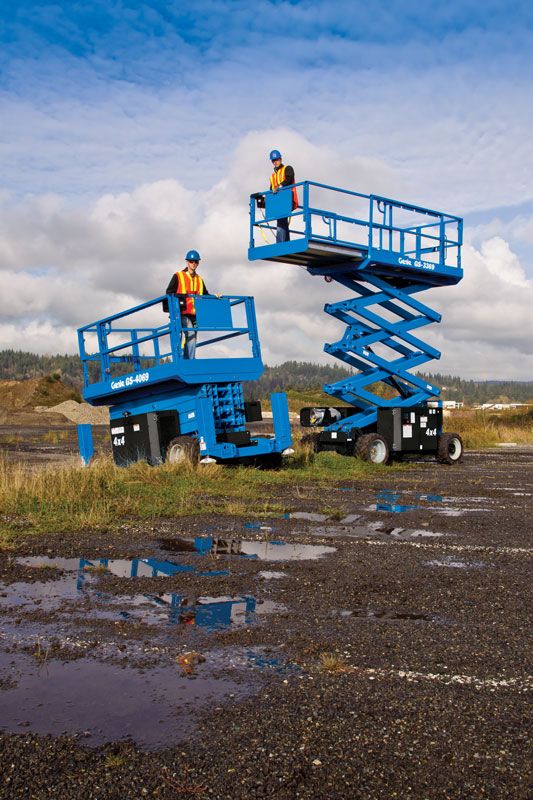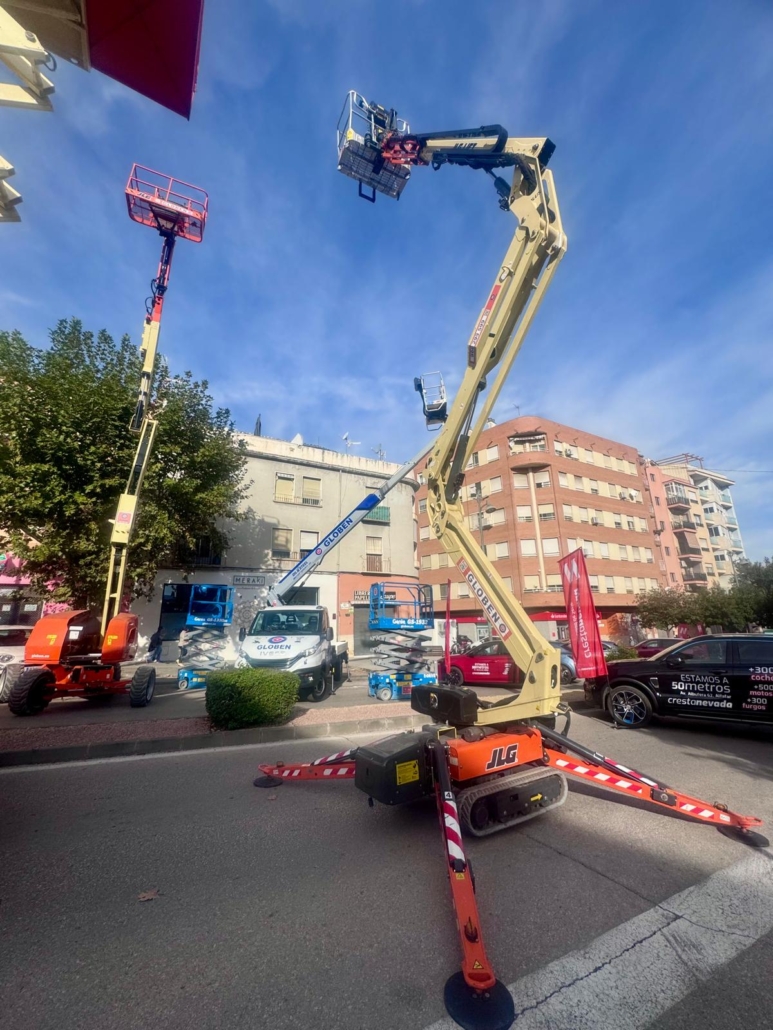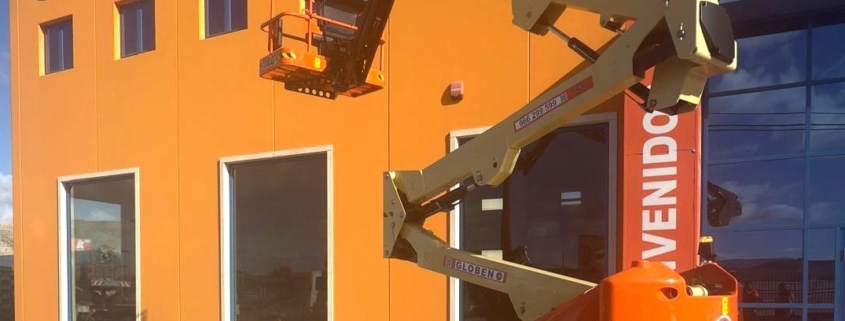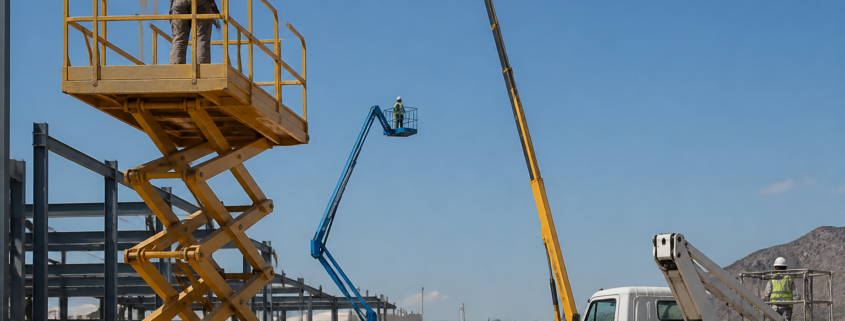
Varios tipos de plataformas elevadoras en obra con operarios con EPI trabajando.

The key phrase Lifting equipment: types, heights and applications guides this technical guide for site managers and companies in the southeastern Spanish peninsula. We explain which machines exist, how to interpret their height and reach figures, and which criteria to prioritize to maximize safety and productivity on projects in Alicante, Murcia, Valencia and Albacete.

In this section we will develop the basic concepts: the lifting equipment: types, heights and applications includes mobile aerial work platforms, forklifts and telehandlers. Knowing how to distinguish each type and its operating range prevents selection errors that affect costs and safety.

The proper selection of Lifting equipment: types, heights and applications depends on factors such as the work environment, frequency of use and transport logistics. Evaluating the real need for height, lateral reach and load capacity from the start reduces later corrections and improves execution times.
maquinaria elevadora tipos

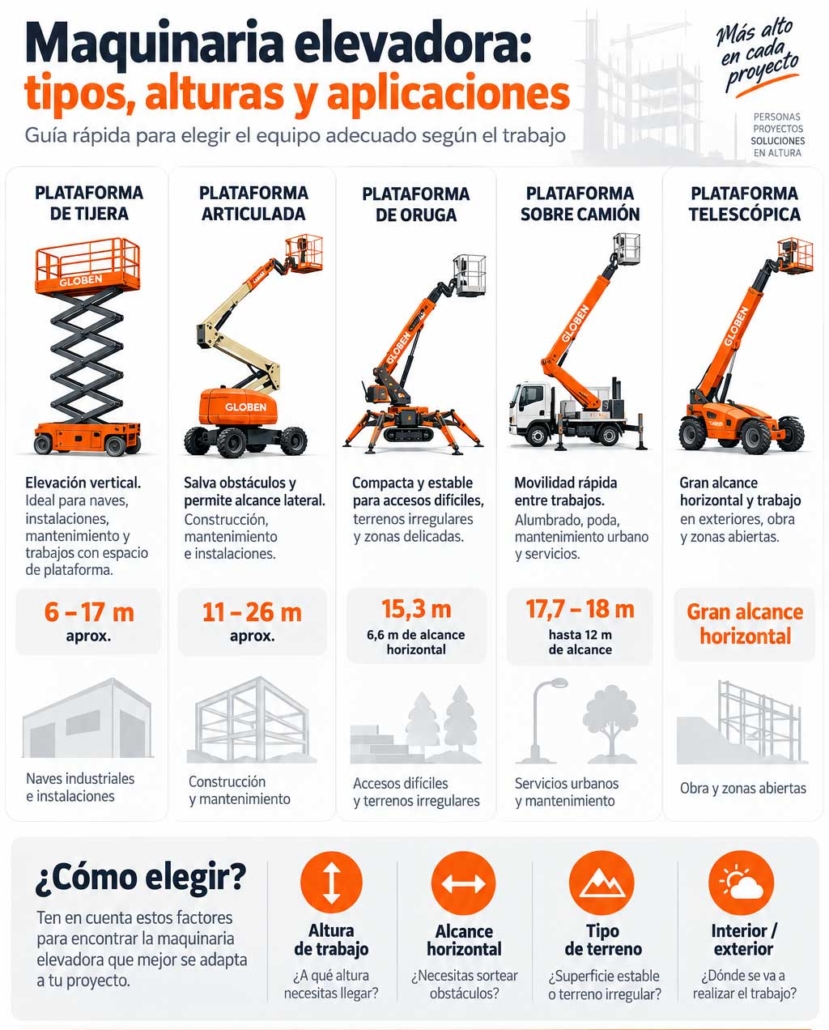
Scissor lifts: how they work and when they are suitable

Scissor lifts raise vertically with a wide, stable base. They are the preferred option for jobs that require a large work surface and vertical elevation on firm ground (finishes, installations on wide façades or slab assembly). They usually offer good load capacity and operational simplicity.

Articulated boom lifts: advantages for jobs with access constraints

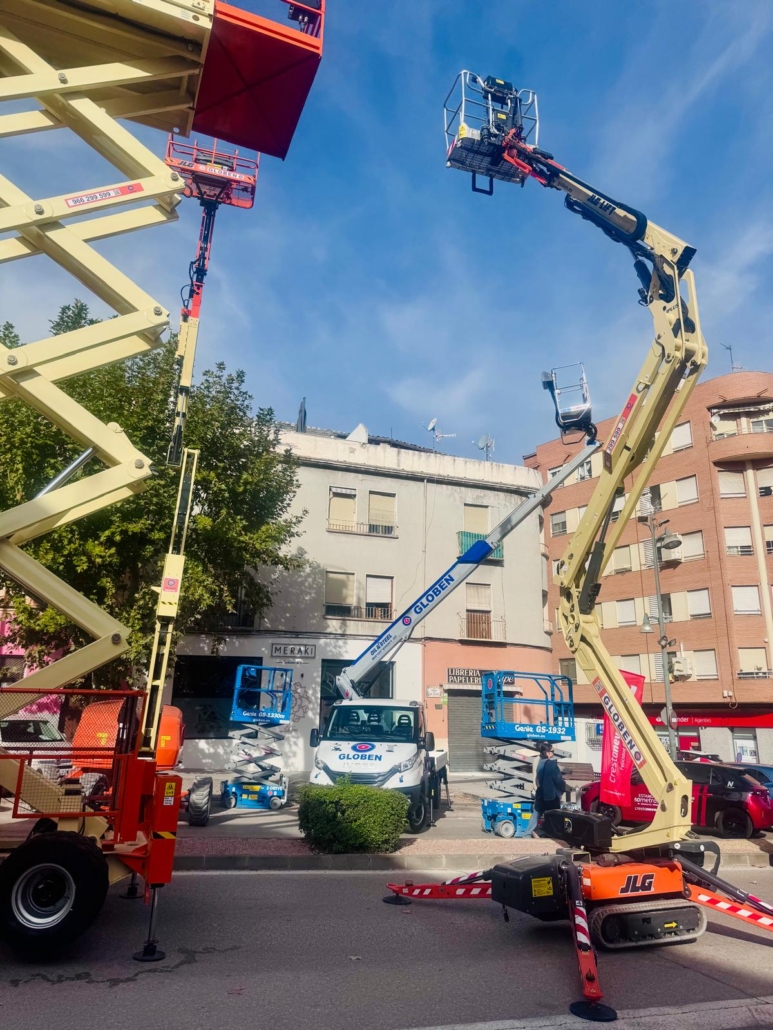
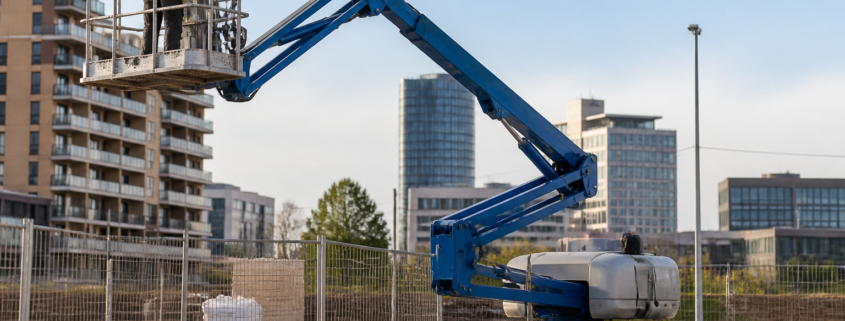
Articulated units combine an articulated arm and a basket, allowing obstacles to be bypassed and access to difficult openings. They are indicated in urban environments, façade maintenance with balconies or electrical installations where direct access is not possible.

Telescopic boom lifts: horizontal and vertical reach

Telescopic units provide greater horizontal and/or vertical reach and are useful in civil works and outdoor height jobs where large distances must be covered from a support base, for example structure assembly or work in tall industrial buildings.

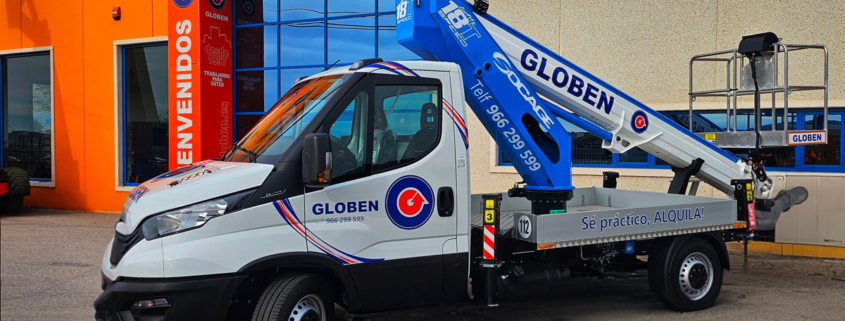
Truck-mounted platforms: mobility for operations on public roads

Truck-mounted platforms combine transport and lifting, reducing deployment times in interventions on public roads or streetlight maintenance. Permits and local traffic conditions must be checked.

Forklifts and telehandlers: differences and uses

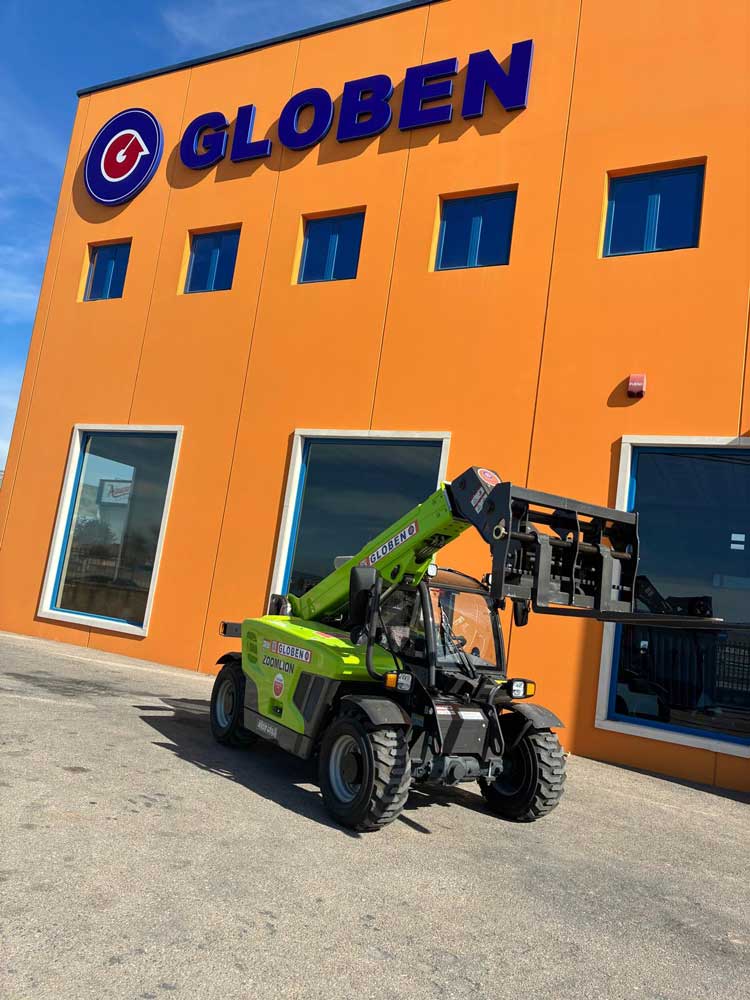
Forklifts and telehandlers cover load handling on site and in warehouses. While the forklift is optimal indoors and between aisles, the telehandler provides frontal reach and traction for uneven terrain.

In many projects it makes sense to combine equipment: for example, use forklifts for internal logistics and aerial platforms for height work. Integrating Lifting equipment: types, heights and applications into logistical planning facilitates coordination between site personnel and maintenance services.
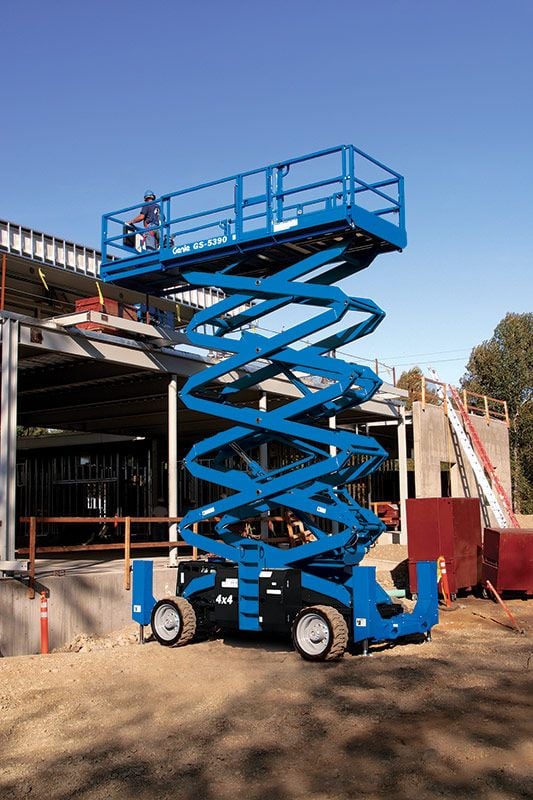
Working height vs lateral reach: what they mean

The working height is the maximum distance from the ground to the working point; the lateral reach indicates how far the platform moves horizontally from the machine's axis. Both figures determine whether a machine can reach the point without repositioning the unit.

Practical classification by height ranges

  • Low (up to 10 m): indoor tasks, maintenance of low ceilings and installations.
  • Medium (10–20 m): façades, installation assembly in warehouses, general construction.
  • High (over 20 m): towers, high façades, industrial installations and specific civil works.

Examples of tasks according to the required height

Public lighting installations usually require truck-mounted or articulated platforms with lateral reach; warehouse work and picking use forklifts; scaffold assembly and formwork tasks generally require electric or diesel scissor lifts depending on the ground.

Construction and public works

In new construction and rehabilitation, load capacity and stability are prioritized: scissor lifts for wide surfaces and telescopic units for reach over cantilevers.

Industrial installation and maintenance

For interior installations, electric low-emission equipment is preferred; outdoors, diesel machines with greater autonomy and reach are used.

Events and infrastructure assembly

Events require maneuverable and safe machines for structure assembly and rigging; planning the flow of personnel and materials influences the choice.

Logistics and warehousing

Forklifts and pallet trucks optimize load handling; the choice between electric or combustion depends on ventilation and shift work.

Protective equipment and staff training

Specific training for operators and the use of PPE (harness, helmet, safety footwear) are essential. Work planning and signage reduce the risk of incidents.

Inspections, certifications and mandatory documentation

Before any use, periodic inspections and the machine's documentation must be verified. Complying with current regulations and keeping maintenance records ensures traceability and legal safety.

Preventive maintenance and technical service

Preventive maintenance keeps availability and extends the machine's service life: checking hydraulics, batteries, brakes and electrical systems. For complex failures, requesting technical service avoids prolonged downtime and indirect costs.

Incorporating daily inspection procedures reduces failures: pre-start checklists and reporting protocols speed up repairs. Adopting a proactive policy on Lifting equipment: types, heights and applications helps reduce incidents and operating costs.

To select the correct machine, evaluate the environment, access and tasks. If the need is occasional or variable, studying rental options provides flexibility and technical support: a search for rental of lifting equipment for jobs can be the most efficient solution. It is also advisable to compare local options such as the aerial platform rental in Alicante, aerial platform rental in Torrevieja or the aerial platform rental in Murcia depending on proximity and response times.

Quick checklist:

  1. Define the real height and reach required.
  2. Verify load capacity of the platform or boom.
  3. Check ground conditions and access to the work point.
  4. Choose the power type according to ventilation and emissions.
  5. Plan transport, permits and signage if operating on public roads.

The lifting equipment: types, heights and applications must be integrated with a safety and maintenance plan that allows operation at maximum efficiency. In southeastern Spain, local availability and technical experience are determining factors to reduce downtime and costs.

Before deciding between purchase and rental, compare service levels and response times: having local technical support is a critical factor in daily operations. Considering maintenance contracts that include parts and inspections facilitates the management of Lifting equipment: types, heights and applications in recurring projects.

Summary: the right choice comes from combining technical requirements (height, reach, load), environmental conditions and regulatory compliance. Applying these criteria optimizes productivity and minimizes risks on site.

We're here to help you take your ideas to the next level! Globen, a leading company in aerial platform rental, understands the importance of offering high-quality equipment.
Operario con casco y arnés comprobando una plataforma articulada en una obra urbana

The rental of articulated booms and platforms is a common solution for work at height that requires complicated access and reach above obstacles. This practical guide helps site managers, maintenance companies and installers in Alicante, Elche, Villena, Murcia, Valencia and Albacete evaluate when and how to hire this type of equipment with criteria for safety, productivity and regulatory compliance.

Definition of articulated boom and articulated platform

An articulated boom is made up of sections joined by joints that allow the unit to navigate around obstacles and provide horizontal reach in addition to height. The articulated platform includes the basket with controls and the hydraulic systems that lift and position the boom.

Main differences compared to scissor and telescopic platforms

Scissor platforms lift vertically, with greater load capacity and stability on flat surfaces. Telescopic units provide long horizontal reach in a straight line. Articulated booms combine access flexibility and maneuverability for areas with intermediate elements.

Specific advantages of articulated booms for complex jobs

They allow access around cornices, installations and structures, reduce the need for scaffolding in renovations and facilitate quick inspections on irregular façades and roofs.

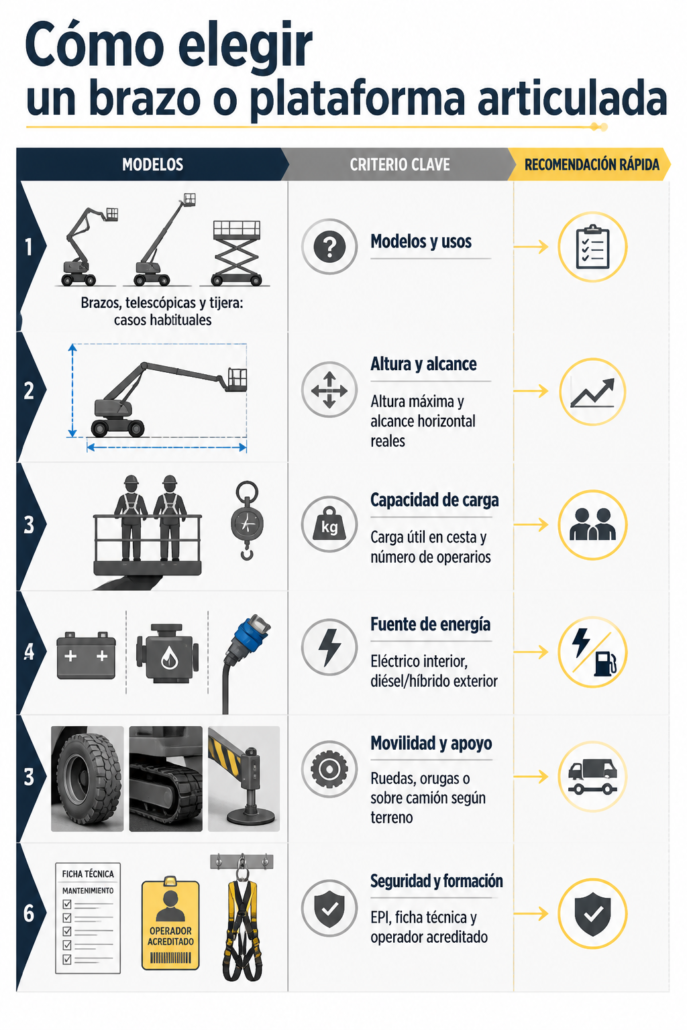
Working height and horizontal reach

Assess the maximum height and the real horizontal reach under working load. For situations where access is direct and without obstacles, telescopics are alternatives; also check options for telescopic boom lift rental if the project demands long straight reach. When planning the rental of articulated booms and platforms, always request the technical datasheet that indicates real capacities under working load.

Load capacity and work platform

Check the basket's payload, available space and the allowed number of occupants. Projects with heavy tools or multiple operators require models with higher capacity and a larger platform.

Power source: electric, diesel or hybrid

For indoor use or spaces with emission limitations, prioritize electric booms. For outdoor work and heavy construction, diesel or hybrid versions offer autonomy and performance.

Tires, stabilizers and mobility

Consider non-marking tires for indoor use, tracks for unstable terrain and hydraulic stabilizers for work on slopes.

Work in urban environments and with obstacles

On façades with balconies, cornices or trees, renting articulated booms and platforms allows you to clear intermediate elements without erecting scaffolding, reducing intervention time and street occupation.

Inspections, maintenance and façade work

For targeted renovations and technical inspections, choosing a compact articulated boom optimizes maneuvers and minimizes impact on the surroundings.

Industrial works, assemblies and events

In industrial halls or when assembling structures, selection will depend on the usable height, load to be lifted and maneuvering space. For urban events, prefer electric, low-emission equipment.

Criteria for indoor vs outdoor

Indoors: electric, compact versions. Outdoors: all-terrain models or truck-mounted units for fast access and long transfers.

Personal protective equipment and collective protections

  • Harness with energy absorber and certified anchorage point.
  • Appropriate helmets, gloves and safety footwear.
  • Signage of the area and, where appropriate, fall-arrest systems on the platform.

Applicable regulations and good practices

A risk assessment, periodic maintenance and compliance with occupational risk prevention regulations are required. The regulations affecting the rental of articulated booms and platforms require documenting inspections and following operating procedures. Always document the assessment and work methods before starting tasks at height.

Operator requirements and certifications

Operators must have specific accredited training in aerial platforms, be familiar with the particular equipment and know emergency procedures.

Technical checks prior to receipt

  • Structural condition and basket.
  • Tires, tracks and stabilizers.
  • Functioning of controls, hydraulic systems and load limits.

Documentation that should accompany the machine

Equipment manual, technical datasheet, inspection certificate, maintenance record and proof of operator training.

Inspection and maintenance plan during the rental

Establish daily visual checks and weekly functional controls depending on use; record incidents and request technical support for any anomaly. Include contractual checklist clauses about insurance, assistance and rental conditions for articulated booms and platforms to avoid misunderstandings in supply.

Comparativa visual para elegir un brazo o plataforma articulada según modelo, altura y alcance, capacidad de carga, fuente de energía, movilidad y requisitos de seguridad y formación

How to estimate the duration and real cost of the project

Plan realistic workdays, include travel and assembly times, and consider rental options by days, weeks or long-term projects. Also factor in the cost of accessories and permits.

Accessories and options that increase productivity

  • Platforms with basket rotation, work boards and tool tables.
  • Fall-arrest systems and electrical kits for tools at height.

When it's worth renting short-term or long-term

For one-off jobs, renting articulated booms and platforms avoids capital investment; for fleets with constant demand, negotiating long-term terms can be more efficient. Also negotiate conditions that include quick replacement in case of breakdown to minimize downtime.

If your project requires comparing brands and fleets, you can also consider options for Genie aerial platform rental due to their presence in a range of projects.

Construction and façade rehabilitation

Articulated booms are ideal for interventions where there are protruding elements or when access is required from restricted areas without occupying large surfaces.

Electrical installations and work at height

For line installations or street lighting, the maneuverability and precision of booms allow positioning operators without unnecessary risks.

Events, urban maintenance and logistics

For assembling temporary structures and maintaining public lighting, use electric, compact equipment that eases permitting and reduces inconvenience to the public.

Answers to common questions from professional clients

  • Required training? Accredited operating courses.
  • Indoor or outdoor? Choose the power source based on ventilation and emissions.
  • Documentation? Always demand the manual and maintenance log.

Links and training and regulation resources

Consult occupational risk prevention guides and locally accredited training.

For any technical query or to coordinate a supply in Alicante, Elche, Villena, Murcia, Valencia or Albacete, use the checklist above and request technical assistance before signing the contract.

Summary: the rental of articulated booms and platforms is the recommended option when access requires overcoming obstacles, precision and maneuverability. Consider height and reach, power source, load capacity and operator training to maximize safety and productivity on site. With a proper assessment and a rigorous checklist you can reduce risks and optimize time on your projects in the southeastern Iberian Peninsula.


We are here to help you take your ideas to the next level! Globen, a leading company in the rental of aerial platforms, understands the importance of offering high-quality equipment.
alquiler de cesta elevadora

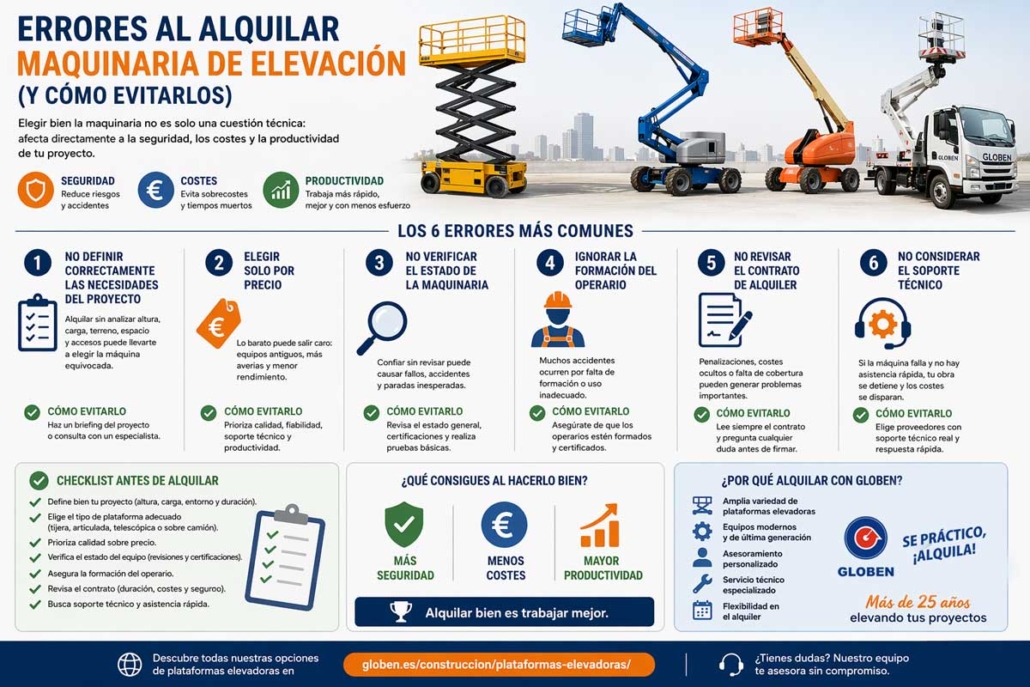
Access to modern equipment without the costs of purchase, maintenance, or storage is a major advantage. However, making the wrong rental decision can lead to delays, additional costs, and even workplace hazards.

At GLOBEN, with over 25 years of experience in the sector, they know that choosing the right machinery is key to the success of any project. That’s why, if you’re thinking about renting, it’s a good idea to be aware of the most common mistakes… and how to avoid them from the start.
Why is it important to choose the right lifting equipment?

Aerial work platforms are equipment designed to work at height safely and efficiently, replacing traditional methods such as scaffolding or ladders.

Choosing correctly is not just a technical matter: it directly affects three critical factors:

Security

Working at heights involves significant risks. A poor choice can lead to accidents, falls, or misuse of equipment.

Costs

Selecting the wrong machine can result in downtime, longer rentals, or even the need to change equipment mid-project.

Productivity

A suitable platform allows you to do the job faster, with greater accuracy and less effort.

That’s why having professional advice and reliable equipment like that offered by GLOBEN makes all the difference from the start.

Mistakes when renting lifting equipment

One of the most frequent mistakes is renting without first analyzing the work to be done.

What should you keep in mind?

  • Required working height
  • Load weight (operators + tools)
  • Type of terrain (interior, exterior, irregular)
  • Available space and access

Working indoors is not the same as working outdoors:

  • Electric scissor lifts are ideal for indoor use
  • Articulated or diesel vehicles perform better on difficult terrain.

At GLOBEN you have multiple options adapted to each case, from scissor lifts to articulated or truck-mounted equipment.

https://globen.es/en/lift-platforms-for-rent/

How to avoid this mistake

Before renting, do a short project briefing or consult with a specialist.

Looking for the lowest price is understandable, but it can end up being expensive.

The problem

A cheap option might involve:

  • Old or inefficient equipment
  • Higher risk of breakdowns
  • Lower performance

Cost vs value

Machinery rental should not be evaluated solely on the daily price, but also on:

  • Equipment reliability
  • Technical support
  • Productivity

How to avoid this mistake

Prioritize suppliers that offer:

  • Modern equipment
  • Good technical service
  • Personalized advice

Another common mistake is trusting the equipment without checking it.

Risks

  • Failures during work
  • Workplace accidents
  • Unexpected stops

In professional companies like GLOBEN, machinery is subject to constant controls and maintenance.

What to check before renting

  • General condition of the machine
  • Certifications and reviews
  • Basic operation

How to avoid this mistake

Work with companies that guarantee maintenance and regular checkups.


Having the right machine is useless if it is not used correctly.

Problem

Many accidents occur due to a lack of training.

Requirements

The use of lifting platforms requires:

  • Specific training
  • Security knowledge
  • Proper handling of the equipment

How to avoid this mistake

Make sure the operators:

  • They are certified
  • They know the team
  • They follow safety protocols

The contract is key… and it is often overlooked.

Important aspects

  • Rental duration
  • Additional costs
  • Insurance included
  • Liability for damages

Common problems

  • Unexpected penalties
  • Hidden costs
  • Lack of coverage

How to avoid this mistake

Always read the contract and ask any questions before signing.


Imagine the machine breaks down in the middle of the project…

Risks

  • Construction stoppages
  • Delays
  • Extra costs

What you should demand

  • Fast assistance
  • Maintenance included
  • Replacement in case of breakdown

How to avoid this mistake

Choose providers with real technical support, not just rentals.


Key tips for renting machinery without mistakes

✔ Clearly define your project
✔ Choose the right platform type
✔ Prioritize quality over price
✔ Verify the equipment’s condition
✔ Ensure operator training
✔ Review the contract
✔ Seek technical support


Why rent lifting equipment with GLOBEN?

If you want to avoid all these mistakes, working with a specialist provider makes all the difference.

GLOBEN offers:

  • Wide variety of lifting platforms
  • State-of-the-art equipment
  • Personalized advice
  • Specialized technical service
  • Rental flexibility

Conclusion: Renting well means working better.

Renting lifting equipment is not just a logistical issue, but a strategic decision.

The most common mistakes—not defining needs, prioritizing price, or ignoring safety—can seriously affect your project.

The key is to plan, get informed, and have a reliable supplier.

If you do it right, you’ll not only save money, but you’ll also gain efficiency, safety, and peace of mind. And that, in any construction project, is what truly makes the difference.


We’re here to help you take your ideas to the next level! Globen, a l company, understands the importance of offering high-quality equipment.
Regulations for working at heights in Spain

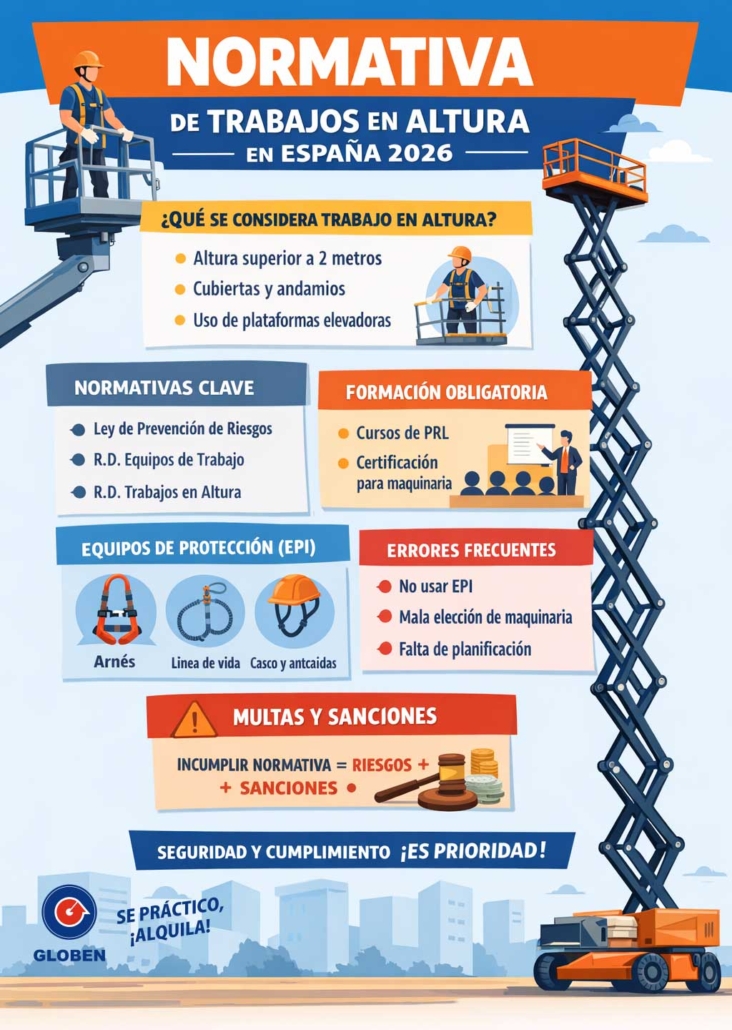
Working at heights is a daily occurrence in sectors such as construction, industrial maintenance, and installations. However, it is also one of the most hazardous occupational activities. Therefore, regulations governing working at heights in Spain are particularly strict and designed to prevent accidents and ensure the safety of workers.

This guide, updated to 2026, clearly explains the legal obligations, training requirements, and safety measures necessary to comply with current regulations.


What is considered working at height according to regulations?

Any activity performed at a height where there is a risk of falling is considered work at height, typically starting from 2 meters. However, regulations are not based solely on height, but also on the risk associated with the task.

Common examples of working at height

  • Roofing or roof work
  • Use of scaffolding or ladders
  • Operation of lifting platforms
  • Electrical installations or industrial maintenance

In all these cases, it is mandatory to apply specific prevention measures.


Main regulations for working at height in Spain

In Spain, work at height is regulated by different laws and regulations that establish the minimum safety conditions.

Occupational Risk Prevention Law

The Occupational Risk Prevention Law establishes the obligation to guarantee the safety of workers through risk assessment and the adoption of preventive measures.

Royal Decree on work equipment

Royal Decree 1215/1997 regulates the safe use of equipment such as lifting platforms, scaffolding or ladders.

Specific regulations on temporary work at height

Royal Decree 2177/2004 complements the previous regulations, establishing specific requirements for work at height, including the use of protective equipment and appropriate training.

For official information, you can directly consult the National Institute for Occupational Safety and Health, where updated technical guides and recommendations are detailed.


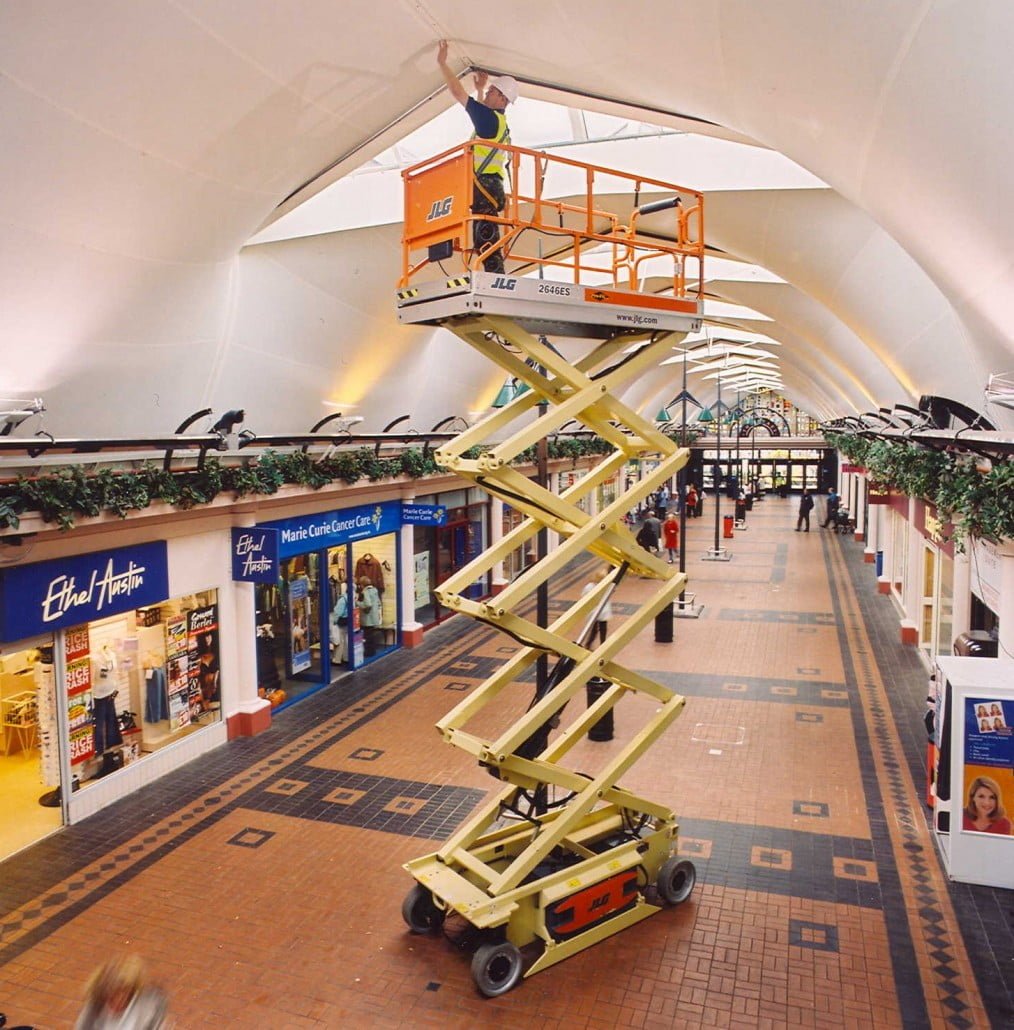
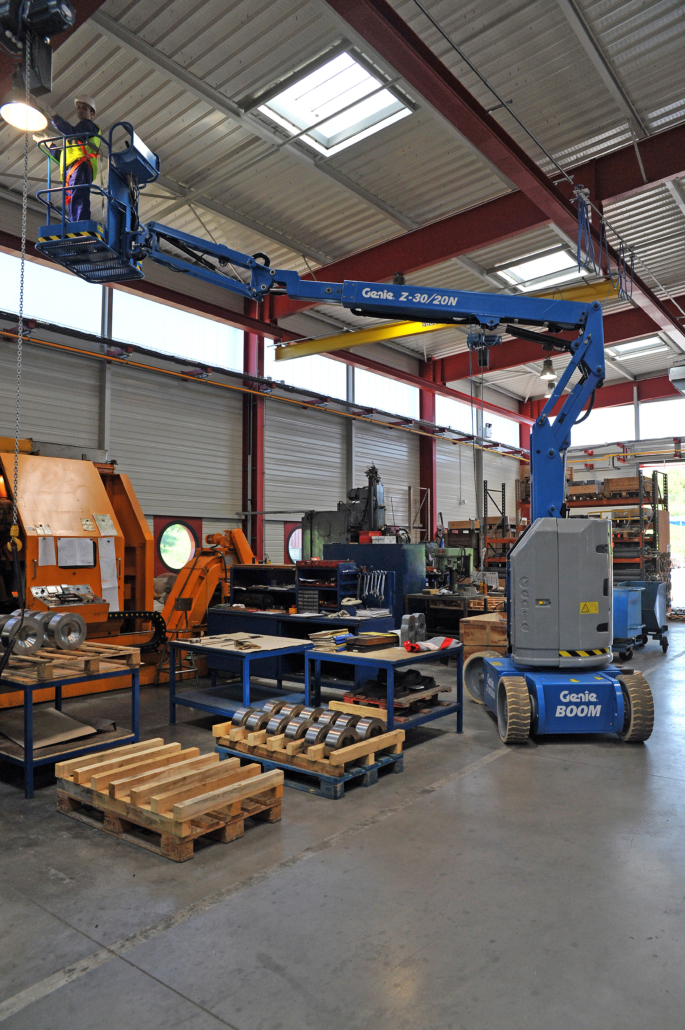
Electric scissor lifts, used for indoor work

Company obligations in work at height

Companies have a clear responsibility when work is carried out at height. Failure to comply with regulations can lead to significant penalties and, more seriously, workplace accidents.

Mandatory risk assessment

Before starting any work, it is essential to analyze the associated risks:

  • height
  • environmental conditions
  • type of machinery
  • access to the workplace

Planning and security measures

The company must define how the work will be carried out:

  • choosing the right equipment
  • collective protection systems
  • use of safe machinery

In many cases, opting for the rental of lifting platforms is the safest and most efficient solution compared to traditional methods.

Supervision and control

Furthermore, it is necessary to ensure that:

  • The workers comply with the measures
  • The equipment is in good condition
  • Safety protocols are respected

Mandatory training for working at heights

One of the key points of the regulations is training.

What training does an operator need?

All workers who perform work at height must have specific training in:

  • risk prevention
  • use of protective equipment
  • machinery handling

In the case of lifting platforms, practical training is essential to ensure safe use.

Recommended certifications

Although the law does not establish a single mandatory certificate, it does require that the training be appropriate for the job. Therefore, many companies opt for accredited courses that certify the operator’s qualifications.


Mandatory protective equipment (PPE)

The use of personal protective equipment is mandatory when working at heights.

Main PPE

  • Arnés de seguridad
  • life lines
  • Protective helmets
  • Fall protection systems

These items must be approved and in perfect condition.


Regulations for the use of lifting platforms

The use of lifting platforms is subject to specific requirements within the regulations.

Requirements to operate machinery

  • specific operator training
  • correct use of equipment
  • respect for load capacity

Inspections and maintenance

The machines must be checked periodically to ensure they are working properly.

If you need this type of machinery, you can look into solutions such as renting aerial work platforms in Alicante, where equipment adapted to each type of work is offered.

Good usage practices

  • do not overload the platform
  • work on stable surfaces
  • avoid adverse weather conditions

Regulations for working at heights in Spain

Common mistakes when working at heights (and how to avoid them)

Many accidents are caused by avoidable mistakes. These are some of the most common:

  • choosing the wrong type of machinery
  • not using PPE correctly
  • improvise instead of plan
  • disregard the terrain

Avoiding these errors not only improves safety, but also work efficiency.


Working at heights in Alicante and the Valencian Community

In areas such as Alicante, Elche, or Villena, working at heights is common in:

  • construction
  • mantenimiento industrial
  • facilities

Therefore, it is essential to have suitable equipment and comply with current regulations.

The use of professional machinery such as lifting platforms allows for safer, faster, and more efficient work.


Why complying with regulations avoids risks and penalties

Complying with regulations for working at heights is not just a legal obligation. It’s an investment in safety, productivity, and peace of mind.

Companies that correctly implement these measures:

  • reduce accidents
  • avoid economic sanctions
  • improve work efficiency

Furthermore, they convey a professional and responsible image.


Conclusion

The regulations governing working at height in Spain in 2026 continue to focus on prevention, training, and the use of appropriate equipment. Understanding and applying these regulations is key to ensuring safety on any project.

If you need advice or specialized machinery, having industry professionals on board can make the difference between a safe job and an unnecessary risk.
We’re here to help you take your ideas to the next level! Globen, a l company, understands the importance of offering high-quality equipment.