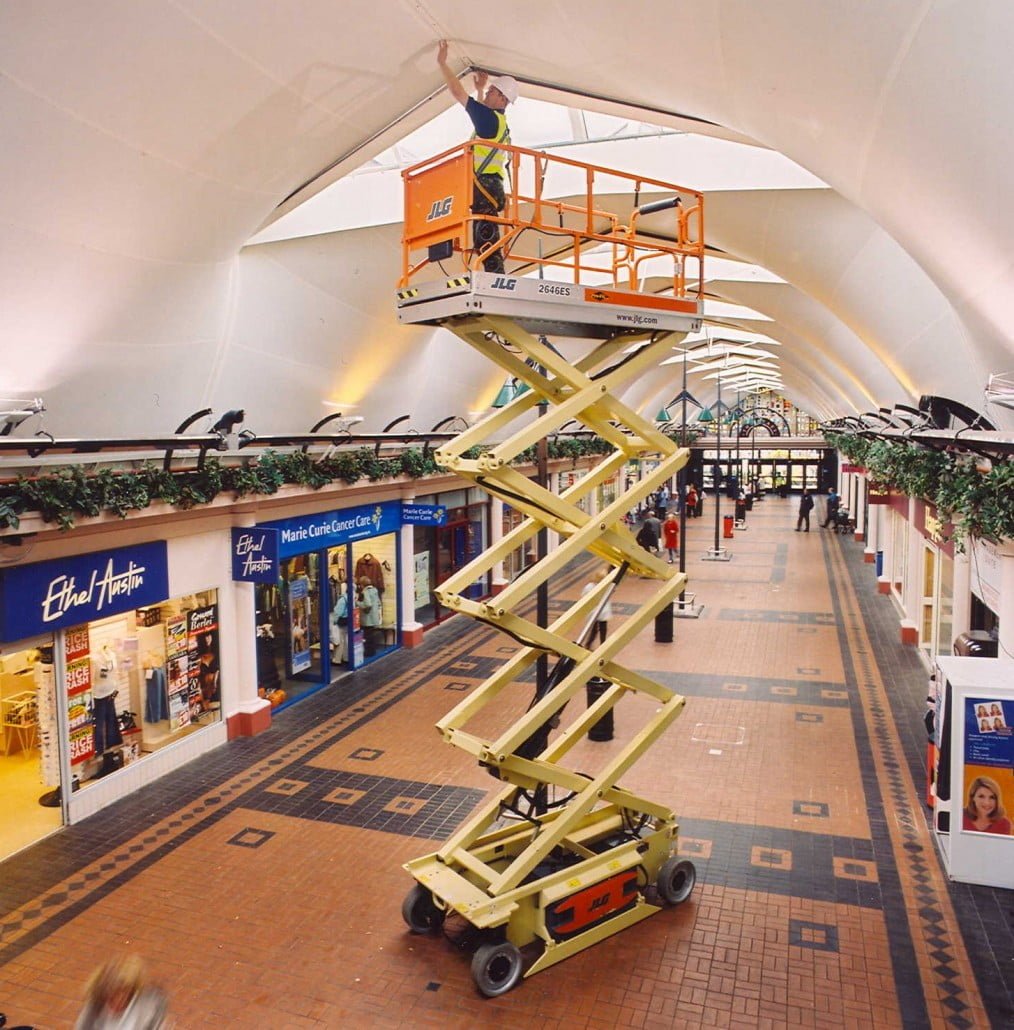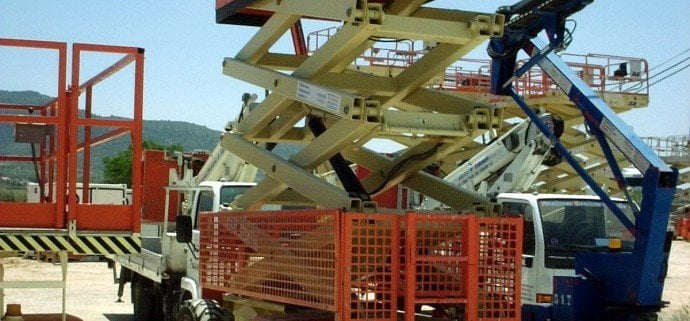
When it comes to working at heights, safety and efficiency are paramount. Globen, a leading aerial lift rental company, understands the importance of providing high-quality equipment that allows its customers to perform tasks with the utmost peace of mind. In this article, we will explore the advantages of scissor lift rental, the types available and how to choose the best option for your needs.


Advantages of Scissor Lift Rental

Renting a scissor lift can be a strategic decision for companies and professionals who need to perform temporary work at height. The following highlights some of the main advantages of opting to rent rather than buy.

Cost Savings

One of the biggest advantages of scissor lift rental is the significant cost savings. Buying a scissor lift can be a considerable investment, especially if you only need the equipment for specific or short-term projects. By renting, you only pay for the time you use the machine, resulting in a more efficient use of your company’s financial resources.

In addition, maintenance and repair costs are assumed by Globen, which means you won’t have to worry about unexpected expenses. Renting also allows you to avoid equipment depreciation, a key factor if you decide to keep the machinery for the long term.

Access to Modern Technology

When you rent with Globen, you have access to the latest models of scissor lifts, which guarantees you work with equipment that meets the highest standards of safety and efficiency. Modern scissor lifts are equipped with advanced technology that improves performance and reduces the risk of accidents.

This is particularly important in industries where safety regulations are constantly being updated. By using state-of-the-art equipment, you can be sure that you are complying with all current regulations, avoiding fines and legal problems.

forklift-platform-use-permits

Flexibility

Scissor lift rental offers you flexibility that purchasing cannot match. You can choose from a wide range of scissor lifts to meet the specific needs of each project. If at any time you require different equipment, you can simply exchange it without having to deal with the sale or obsolescence of purchased machinery.

This flexibility also extends to the duration of the rental. Globen offers options for both short-term and long-term rentals, adapting to your particular needs. Whether you need a scissor lift for a few days, weeks or months, you will always have the right equipment at your disposal.

Safety Recommendations

When you rent with Globen, you not only get quality equipment, but also the support you need to ensure safe and efficient use. Globen’s team of experts provides training and advice on best safety practices when using scissor lifts.

This includes instructions on how to operate the machinery correctly, how to prevent accidents and how to perform safety inspections before each use. By having this type of support, you significantly reduce the risks associated with working at heights, protecting both your employees and your company.


Types of Scissor Lifts Available

Globen offers a wide range of scissor lifts to meet the needs of different industries and projects. The most common types and their main features are described below.

Electric Scissor Lifts
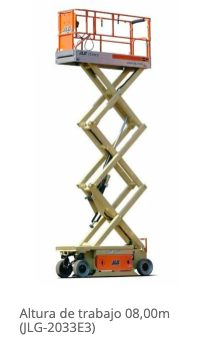
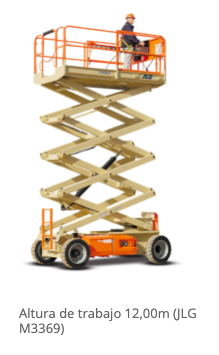
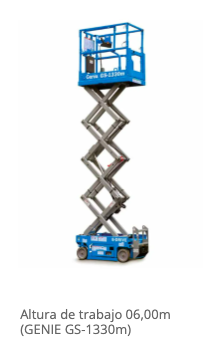
Electric scissor lifts are ideal for working indoors and on flat surfaces. Their quiet operation and the absence of polluting emissions make them perfect for use in closed environments such as warehouses, factories or shopping malls.

These machines are easy to maneuver and have a lifting capacity that varies depending on the model, generally reaching heights of 6 to 14 meters. In addition, their compact design allows their use in confined spaces, facilitating access to difficult areas.

Diesel Scissor Lifts
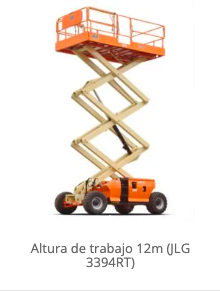
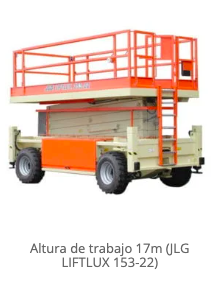
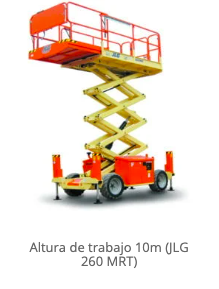
Diesel scissor lifts are designed for outdoor work and uneven terrain. Their powerful engine allows them to support heavy loads and reach greater heights, making them ideal for construction projects, infrastructure maintenance or installations in open spaces.

This type of scissor lift can reach heights of up to 17 meters or more, depending on the model. In addition, they are equipped with robust tires that allow them to move easily over difficult terrain, ensuring stability and safety during use.


How to Choose the Right Scissor Lift?

Selecting the right scissor lift is crucial to the success of your project. Here are some key criteria to consider when making this decision.

Scissor Lift Models

The first step is to identify the model that best suits the specific needs of your project. As mentioned, Globen offers a variety of options, from electric to diesel. Evaluate the features of each type of scissor lift, including its load capacity, maximum lift height and ease of use.

If your project is indoors, an electric scissor may be the best choice. On the other hand, if you need to work in rough terrain, a diesel scissor will be more suitable. Don’t hesitate to consult with Globen’s experts for customized recommendations.

Lifting Capacity and Height

The lifting capacity and the height you need to reach are determining factors in choosing a scissor lift. You must consider the total weight of the materials and the personnel that will use the platform, making sure not to exceed the maximum capacity of the equipment.

In addition, it is essential to calculate the height at which you will need to work. Make sure you select a scissor lift that can safely reach this height, always maintaining an additional safety margin to avoid any risk.

Duration and Frequency of Use

The duration and frequency with which you plan to use the scissor lift will also influence your decision. If you only need the equipment for a short period of time or for a one-time project, a short-term rental is an excellent option. However, if you have ongoing projects that require frequent use of a scissor lift, a long-term rental may be more suitable.

When evaluating the frequency of use, also consider the wear and tear of the equipment. When renting with Globen, you have peace of mind knowing that you will receive equipment that is well maintained and ready to operate at all times, regardless of the length of the rental.


Conclusion

Scissor lift rental is a practical and economical solution for companies and professionals who need to perform work at height safely and efficiently. Globen offers a wide range of options, from electric to diesel scissor lifts, adapting to the needs of each project.

By opting for rental, you enjoy advantages such as cost savings, access to modern technology and flexibility in the choice and duration of equipment. In addition, Globen’s expert support ensures that you use the equipment safely, protecting both your workers and your company

No matter what your project, Globen has the right scissor lift for you. Contact us today and find out how we can help you take your work to new heights with safety and confidence.

Rental of scissor lifts | Globen
ARTICULADA-DIESEL-26M-

Effective planning is crucial to the success of any construction project, and one of the most important aspects to consider is the use of specialized equipment, such as aerial lifts. Not only does this equipment facilitate access to difficult heights, but it also improves efficiency and safety on site. For project managers, planning the use of aerial lifts into the schedule and budget is essential to ensure that the project is completed on time and within budget.

In this article, we provide you with a complete guide on how to plan the use of aerial lifts on construction projects, from selecting the right equipment to integrating it into your schedule and managing your budget.

The first step in planning the use of aerial lifts is to assess the specific needs of the project. Each job site has unique requirements in terms of height, terrain and the nature of the work to be performed. Therefore, it is critical to understand these aspects in order to select the right platform lift.

a) Working Height

Determine the maximum height at which workers will need to operate. Platform lifts come in different height capacities, from small platforms for indoor work to telescopic platforms that can reach extreme heights. It is important to choose a platform that not only reaches the required height, but also offers stability and safety at that height.

b) Accessibility and Space

Consider space limitations at the construction site. In tight areas or areas with limited access, a compact or articulating platform lift may be more suitable. For larger spaces, a telescopic platform may offer the necessary mobility and reach.

c) Soil Conditions

The type of terrain to be worked on also influences equipment selection. If the terrain is uneven or rough, it will be necessary to opt for all-terrain aerial lifts, which are designed to operate on difficult surfaces. On smooth, level surfaces, a scissor lift may be sufficient.

d) Nature of Work

The specific task to be performed will determine the most appropriate type of platform lift. For example, for jobs that require horizontal movement, such as painting or installing windows, an articulating platform might be the best choice. On the other hand, for tasks that require vertical work in a straight line, a scissor lift may be more efficient.

Planning the Use of Platform Lifts

Once the needs of the project have been assessed, it’s time to select the right platform lift. It is advisable to work with a reputable supplier that can offer expert advice and a variety of rental options. When selecting equipment, consider the following factors:

a) Load Capacity

Make sure that the lifting platform has adequate load capacity for the number of workers and equipment to be used. It is crucial not to overload the platform, as this can compromise the safety and performance of the equipment.

b) Energy and Fuel

Aerial work platforms can be powered by different types of energy, such as diesel, electricity or batteries. For indoor projects, where emissions are a concern, electric platforms are the best choice. For outdoor projects, especially in difficult terrain, diesel or off-road platforms are often more appropriate.

c) Safety Features

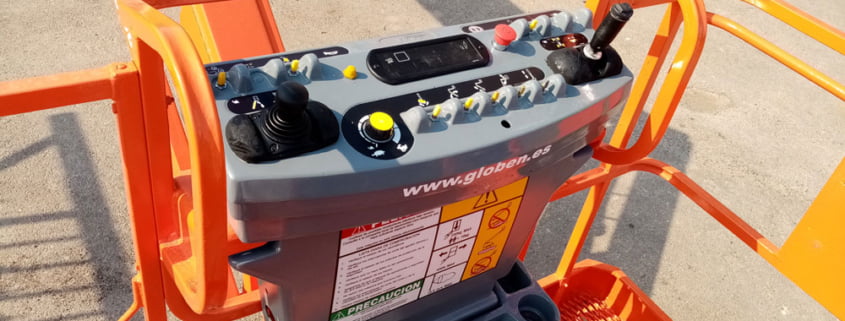
Verify that the selected platform has the necessary safety features, such as stabilization systems, safety harnesses and user-friendly controls. Also, make sure the equipment complies with all local and national safety regulations.

forklift-platform-use-permits

Once the right equipment has been selected, it is critical to integrate it effectively into the project schedule. Proper planning of the timing and availability of aerial lifts can prevent costly delays and improve efficiency at the construction site.

a) Determination of the Moment of Use

Identify the phases of the project where platform lifts will be needed. This may include jobs such as installing structures, painting at heights or installing electrical systems on facades. By determining these times, equipment rental can be planned just in time, avoiding unnecessary extended rental costs.

b) Coordination with Other Teams and Works

Ensure that the use of the elevating platform is coordinated with other equipment and work on site. This includes planning access routes and avoiding interference with other work in progress. Good communication with different work crews is key to avoiding conflicts and ensuring efficient workflow.

c) Maintenance and Overhaul Scheduling

Include time in the schedule for preventive maintenance and equipment checks. Aerial lifts, like any other equipment, require regular maintenance to function optimally. Coordinate with the supplier to schedule these checks without affecting project progress.

Financial planning is a crucial aspect when integrating the use of rental aerial lifts into a construction project. It is important to consider not only the cost of the rental, but also other factors that may influence the budget.

a) Rental Costs

Consult with our consultants to know the different prices of the lifting platforms, the days and hours that are included in the rates and if there is any kind of discount.

b) Operating expenses

In addition to the rental cost, there are other operating expenses to consider, such as fuel, electricity or batteries, depending on the type of platform. It is also important to consider training costs for operators, if necessary, and any additional expenses related to equipment maintenance.

c) Avoidance of Extra Costs due to Delays

Planning the use of aerial lifts efficiently can prevent additional costs due to project delays. Delays in equipment delivery, lack of availability or technical problems can significantly increase costs.

Planning the Use of Platform Lifts

Proper training of personnel who will operate the aerial lifts is essential to the safety and efficiency of the project. Make sure all operators are properly trained and certified. It is also advisable to conduct refresher sessions on safety practices before starting work.

a) Operator Training

We provide training to operators in the use of the specific equipment to be rented. This training includes both the safe operation of the equipment and the handling of emergency situations.

b) Supervision and Compliance with Regulations

Implements a monitoring system to ensure that all safety standards are followed in the use of elevating platforms. This includes the use of personal protective equipment (PPE) and compliance with local and national regulations.

Finally, it is important to continuously monitor and evaluate the use of the aerial lifts during the project. This includes regularly reviewing the condition of the equipment, monitoring operator performance, and evaluating efficiency against schedule and budget.

a) Regular Equipment Overhaul

Schedule regular equipment inspections to identify and fix problems before they affect the project. This may include daily or weekly checks depending on the intensity of use.

b) Efficiency Evaluation

At the end of each project phase, evaluate the efficiency of the use of aerial lifts in relation to the schedule and budget. This evaluation can provide valuable learnings for future projects, allowing you to further optimize the planning and use of this equipment.


Planning the Use of Platform Lifts

Integrating the use of aerial lifts into construction projects effectively requires careful planning, from selecting the right equipment to managing the schedule and budget. By following this guide, project managers can ensure that the use of aerial lifts contributes to the overall success of the project, improving both safety and efficiency on the construction site.

Planning the Use of Lifting Platforms | Globen