The key phrase Lifting equipment: types, heights and applications guides this technical guide for site managers and companies in the southeastern Spanish peninsula. We explain which machines exist, how to interpret their height and reach figures, and which criteria to prioritize to maximize safety and productivity on projects in Alicante, Murcia, Valencia and Albacete.
Table of contents
Lifting equipment: types, heights and applications
In this section we will develop the basic concepts: the lifting equipment: types, heights and applications includes mobile aerial work platforms, forklifts and telehandlers. Knowing how to distinguish each type and its operating range prevents selection errors that affect costs and safety.
The proper selection of Lifting equipment: types, heights and applications depends on factors such as the work environment, frequency of use and transport logistics. Evaluating the real need for height, lateral reach and load capacity from the start reduces later corrections and improves execution times.
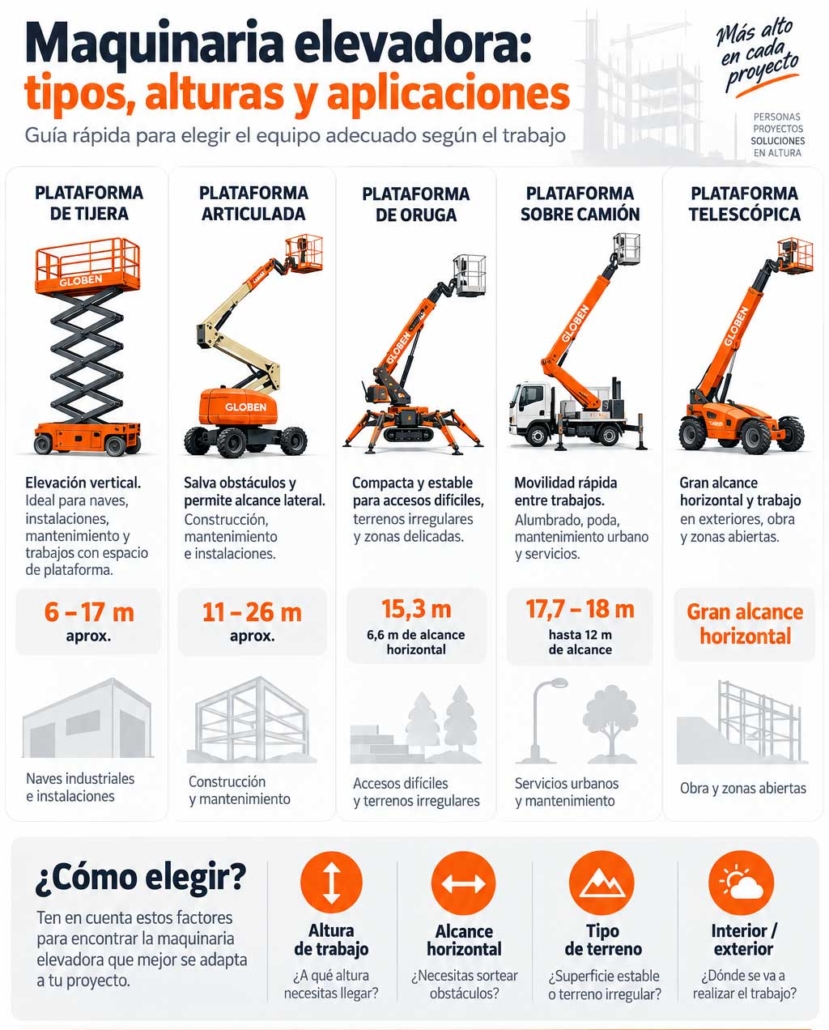
Main types of aerial work platforms and their characteristics
Scissor lifts: how they work and when they are suitable
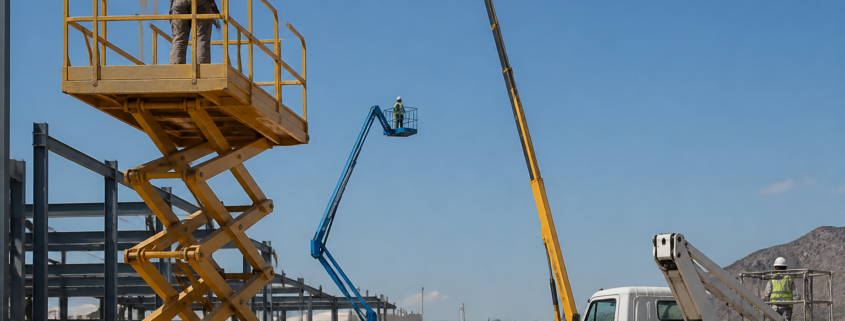
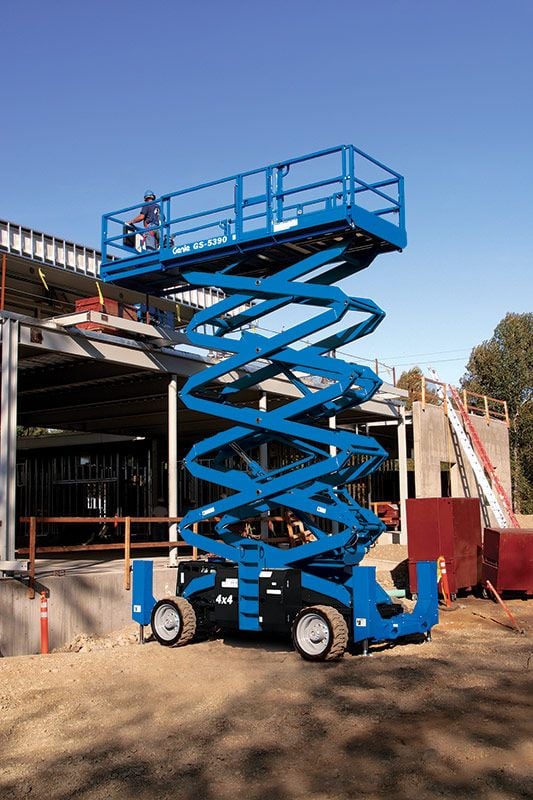
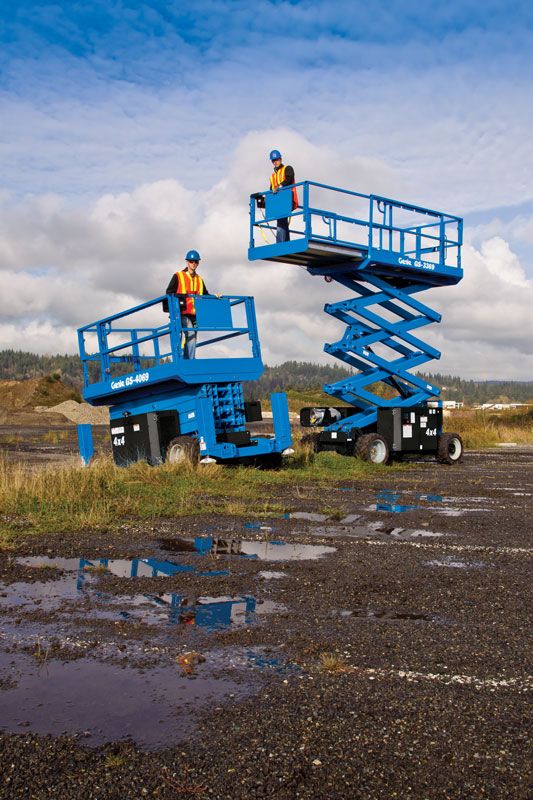
Scissor lifts raise vertically with a wide, stable base. They are the preferred option for jobs that require a large work surface and vertical elevation on firm ground (finishes, installations on wide façades or slab assembly). They usually offer good load capacity and operational simplicity.
Articulated boom lifts: advantages for jobs with access constraints
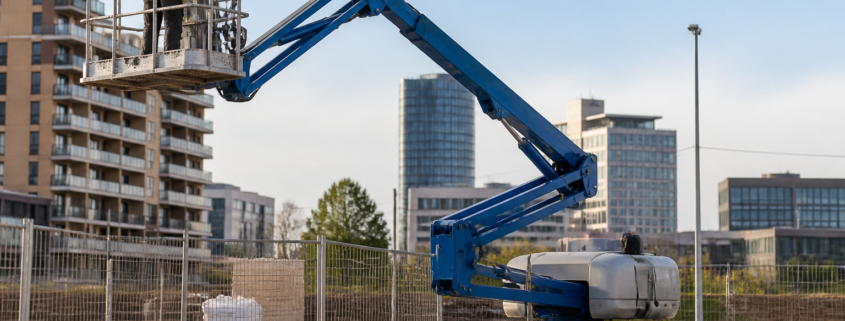
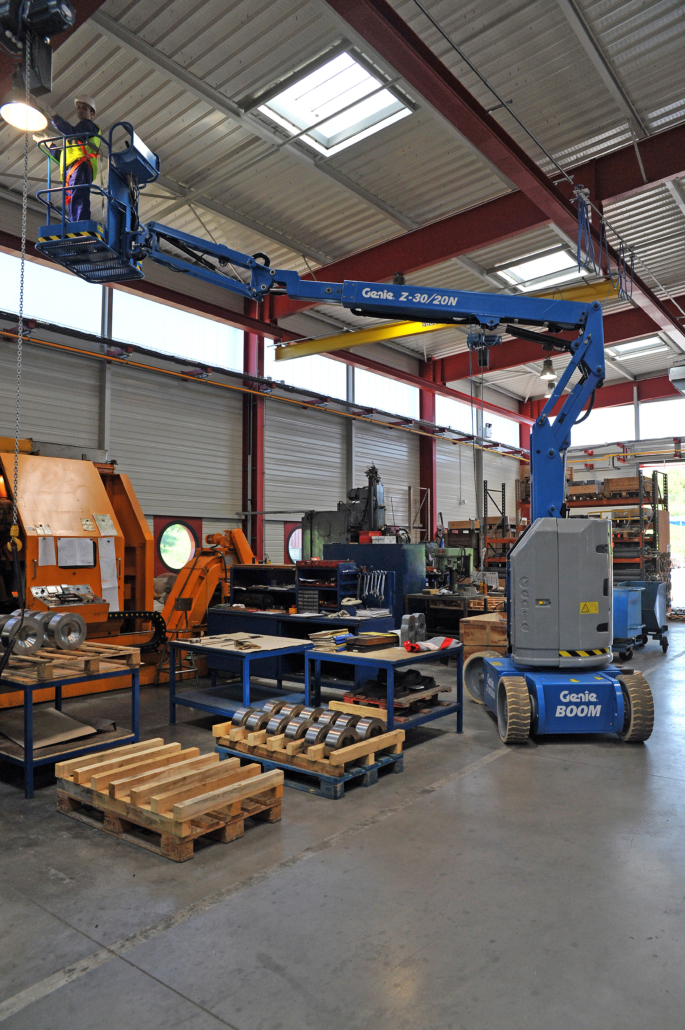
Articulated units combine an articulated arm and a basket, allowing obstacles to be bypassed and access to difficult openings. They are indicated in urban environments, façade maintenance with balconies or electrical installations where direct access is not possible.
Telescopic boom lifts: horizontal and vertical reach
Telescopic units provide greater horizontal and/or vertical reach and are useful in civil works and outdoor height jobs where large distances must be covered from a support base, for example structure assembly or work in tall industrial buildings.
Truck-mounted platforms: mobility for operations on public roads
Truck-mounted platforms combine transport and lifting, reducing deployment times in interventions on public roads or streetlight maintenance. Permits and local traffic conditions must be checked.
Forklifts and telehandlers: differences and uses
Forklifts and telehandlers cover load handling on site and in warehouses. While the forklift is optimal indoors and between aisles, the telehandler provides frontal reach and traction for uneven terrain.
In many projects it makes sense to combine equipment: for example, use forklifts for internal logistics and aerial platforms for height work. Integrating Lifting equipment: types, heights and applications into logistical planning facilitates coordination between site personnel and maintenance services.
Heights and reaches: how to interpret the figures and choose according to the job
Working height vs lateral reach: what they mean
The working height is the maximum distance from the ground to the working point; the lateral reach indicates how far the platform moves horizontally from the machine's axis. Both figures determine whether a machine can reach the point without repositioning the unit.
Practical classification by height ranges
- Low (up to 10 m): indoor tasks, maintenance of low ceilings and installations.
- Medium (10–20 m): façades, installation assembly in warehouses, general construction.
- High (over 20 m): towers, high façades, industrial installations and specific civil works.
Examples of tasks according to the required height
Public lighting installations usually require truck-mounted or articulated platforms with lateral reach; warehouse work and picking use forklifts; scaffold assembly and formwork tasks generally require electric or diesel scissor lifts depending on the ground.
Applications by sector and task
Construction and public works
In new construction and rehabilitation, load capacity and stability are prioritized: scissor lifts for wide surfaces and telescopic units for reach over cantilevers.
Industrial installation and maintenance
For interior installations, electric low-emission equipment is preferred; outdoors, diesel machines with greater autonomy and reach are used.
Events and infrastructure assembly
Events require maneuverable and safe machines for structure assembly and rigging; planning the flow of personnel and materials influences the choice.
Logistics and warehousing
Forklifts and pallet trucks optimize load handling; the choice between electric or combustion depends on ventilation and shift work.
Safety, regulations and maintenance
Protective equipment and staff training
Specific training for operators and the use of PPE (harness, helmet, safety footwear) are essential. Work planning and signage reduce the risk of incidents.
Inspections, certifications and mandatory documentation
Before any use, periodic inspections and the machine's documentation must be verified. Complying with current regulations and keeping maintenance records ensures traceability and legal safety.
Preventive maintenance and technical service
Preventive maintenance keeps availability and extends the machine's service life: checking hydraulics, batteries, brakes and electrical systems. For complex failures, requesting technical service avoids prolonged downtime and indirect costs.
Incorporating daily inspection procedures reduces failures: pre-start checklists and reporting protocols speed up repairs. Adopting a proactive policy on Lifting equipment: types, heights and applications helps reduce incidents and operating costs.
How to choose the right lifting equipment and recommendations for southeastern Spain
To select the correct machine, evaluate the environment, access and tasks. If the need is occasional or variable, studying rental options provides flexibility and technical support: a search for rental of lifting equipment for jobs can be the most efficient solution. It is also advisable to compare local options such as the aerial platform rental in Alicante, aerial platform rental in Torrevieja or the aerial platform rental in Murcia depending on proximity and response times.
Quick checklist:
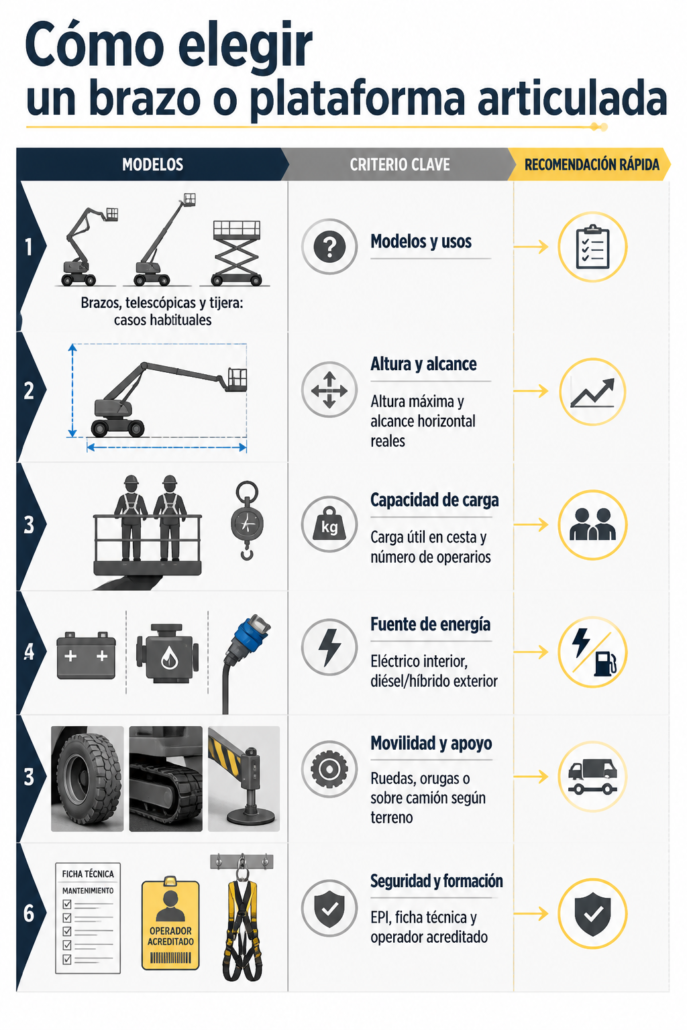
- Define the real height and reach required.
- Verify load capacity of the platform or boom.
- Check ground conditions and access to the work point.
- Choose the power type according to ventilation and emissions.
- Plan transport, permits and signage if operating on public roads.
The lifting equipment: types, heights and applications must be integrated with a safety and maintenance plan that allows operation at maximum efficiency. In southeastern Spain, local availability and technical experience are determining factors to reduce downtime and costs.
Before deciding between purchase and rental, compare service levels and response times: having local technical support is a critical factor in daily operations. Considering maintenance contracts that include parts and inspections facilitates the management of Lifting equipment: types, heights and applications in recurring projects.
Summary: the right choice comes from combining technical requirements (height, reach, load), environmental conditions and regulatory compliance. Applying these criteria optimizes productivity and minimizes risks on site.
We're here to help you take your ideas to the next level! Globen, a leading company in aerial platform rental, understands the importance of offering high-quality equipment.